Category: Conciousness

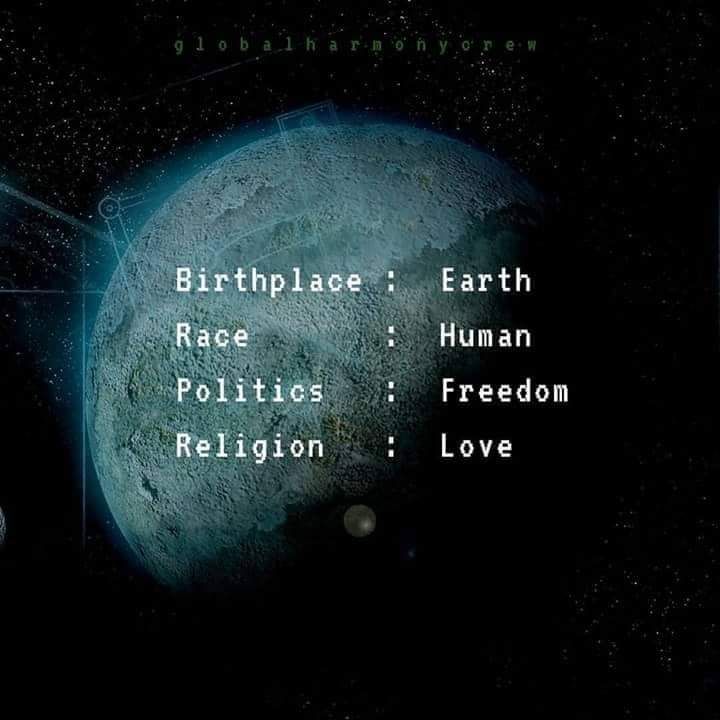
  • Things Would Be Different If You Loved Yourself

    Have you ever wondered how your life would change if you truly, deeply loved yourself? Not just in fleeting moments of confidence, but consistently in every corner of your being. What if, instead of critiquing, comparing, or rejecting parts of yourself, you chose love? The truth is, things would be different—beautifully, profoundly different.

    When we give love to the broken, neglected, or wounded parts of ourselves, something incredible happens: they begin to heal. It really is that simple. Love is a balm, a restorative force that doesn’t demand perfection or achievement. It simply asks for presence. In that space of loving presence, our inner fractures start to mend, gently and steadily.

    Yet, many of us carry burdens of remorse, guilt, or shame. We mistakenly believe these emotions are necessary to prove our sincerity or to earn redemption. But in reality, these heavy emotions have no place in the healing process. They keep us trapped in cycles of self-punishment, blocking the very love we need to break free. Healing comes when we shift our inner gaze from judgment to compassion, from criticism to kindness.

    When we begin to look at ourselves and the world with love, acceptance, and compassion, everything changes. Our perception softens. We stop seeing ourselves as problems to fix and start recognizing the wholeness that was always there, waiting to be acknowledged. The world itself takes on a different hue, and what once felt harsh or overwhelming becomes manageable, even beautiful.

    At the heart of this transformation lies a vital question: How do you perceive yourself? This is the key. You won’t find peace, fulfillment, or joy if you’re constantly searching outside yourself, hoping to stumble upon the missing piece. As long as you believe that love or worth is something to be earned or proven, you’ll keep chasing shadows. But if you choose love—love for yourself, exactly as you are in this moment—then love chooses you back. Love flows in and fills the spaces you once thought were unworthy.

    Instead of striving to be good enough, perfect, coordinated, or wise, try something radical: love the parts of yourself you usually reject. Love your awkwardness, your doubts, your flaws, your quirks. Give those neglected parts your tender attention. This is how you complete yourself. This is how you stop falling into the traps set by the false self—the self that believes worthiness comes from external validation or achievements.

    Here’s the secret: the qualities you dislike about yourself aren’t actually who you truly are. They are passing expressions, conditioned responses, misunderstood aspects shaped by experience. They are not your essence. When you embrace this truth, it becomes much easier to return to your authentic state of love. You realize you don’t need to fight, hide, or deny these parts. You only need to love them.

    For example, imagine standing in front of the mirror one morning, feeling disappointed by the reflection staring back at you. Maybe you see wrinkles, extra weight, or tired eyes. But instead of sighing or criticizing, you softly smile and say, “I love you. I love every line, every curve, every imperfection.” It might feel strange at first. But as you repeat this practice, day by day, you notice something shifting. The critical voice grows quieter. The burden of needing to “fix” yourself lightens. You begin to carry yourself differently—with more grace, more confidence, more warmth. And that shift ripples outward: your relationships feel more authentic, your work feels more inspired, your days feel more peaceful.

    So reach deep inside. Let out all the love that’s already there. It’s been waiting patiently, buried beneath layers of self-judgment and doubt. Let that love rise to the surface. Accept the happiness that wants to find you, without grasping, forcing, or controlling it. Allow it to unfold naturally, like a flower turning toward the sun.

    You are already whole. You are already enough. When you love yourself, everything shifts. Your relationships transform. Your outlook expands. Your path becomes clearer. Love opens doors that effort and striving never could.

    Things would be different if you loved yourself.

    Are you ready to find out just how different they could be?

    Written by #ChoitalykRuman  5/5/2025

    #UmmeyMiah
  • The Prayer That God Hears Is the One From the Heart

    Have you ever wondered what kind of prayer truly reaches God?

    We often learn rituals, memorize words, and repeat them with our lips, believing that the form alone is enough. But deep down, many of us have felt that something is missing. There are moments when we sit in prayer, yet our minds are elsewhere. Our lips move, but our hearts are quiet. And in those moments, we feel the emptiness. Why? Because true connection with the Divine doesn’t begin with the tongue—it begins with the heart.

    The prayer that God hears is not about how perfect our words are or how many times we repeat them. It is the silent cry of the heart that captures divine attention. When your heart aches, when it breaks open in longing, when it rises in sincerity and surrender—that is the moment God listens. That’s the kind of prayer that doesn’t need translation.

    God does not listen to us because we sound wise or because we’ve mastered a religious routine. He listens because we are real with Him. When the heart speaks, it speaks a language all its own—a language not made of words but of emotion, love, sincerity, and truth.

    There is a kind of suffering, a kind of deep yearning, that the heart carries—sometimes without us even understanding it fully. It may not be visible to anyone else, but God sees it clearly. He sees beyond our masks, beyond our efforts to appear composed. It is in that rawness, that vulnerability, that real connection happens.

    Worship, too, should be a movement of the heart. If your heart is absent, it’s okay to pause. It’s better to take a moment to be honest with yourself and with God than to go through the motions without meaning. God is not impressed by empty rituals. He doesn’t dwell in outward perfection. He dwells where there is truth—and truth lives in the heart.

    The language of the heart is the song of love. It’s the soul’s yearning for the Beloved. And here’s the beautiful part: the Beloved is not far away. He is not found only in grand buildings or far-off places. The Beloved resides within you. His only true home is the heart.

    So the next time you feel unsure of how to pray or feel unworthy because you don’t have the right words—remember this: You don’t need the right words. You only need a willing heart. A heart that loves, that longs, that hopes, that cries out—this is the heart that God hears.

    And in that stillness, in that authenticity, you will find what you’ve been seeking all along: the Divine Presence, gently waiting within you.

    –   # ChoitalykRuman

    04/16/2025 3:19am

  • The Journey to Self-Forgiveness: A Path to Healing and Transformation

    Forgiving yourself is not merely a kind gesture—it’s a transformative practice that has the power to change your life in profound ways. In our often critical and unforgiving world, it’s easy to hold onto mistakes, regrets, and feelings of inadequacy. However, embracing self-forgiveness is the first step toward freeing yourself from the burdens of the past and opening up to a brighter, more compassionate future.


    Embracing Imperfection

    The idea of forgiving yourself might seem daunting because it involves accepting that you are, first and foremost, human. Humans make mistakes. In a society that often glorifies perfection, it is crucial to remember that every error is an opportunity to learn and grow. When you forgive yourself, you acknowledge that perfection isn’t the goal—growth, learning, and evolution are. This process allows you to step away from the harsh self-judgment that keeps you tethered to old hurts and opens the door to self-compassion.

    The Healing Power of Letting Go

    Holding onto guilt, regret, or self-recrimination can be incredibly draining, both emotionally and physically. The act of forgiving yourself is like shedding old, heavy armor that has protected you from pain but also prevented you from experiencing joy and connection. By letting go of these burdens, you create space for healing.

    Think of self-forgiveness as a necessary detox for your soul. Once you release the negative thoughts and emotions that no longer serve you, you empower yourself to move forward with a newfound sense of clarity and peace. This healing process not only transforms your inner world but also radiates outward, enhancing your relationships and interactions with others.

    A Ripple Effect on Those Around You

    When you embark on the journey of self-forgiveness, your actions have a ripple effect on your environment. As you heal, you naturally become more compassionate and understanding toward others. Your willingness to forgive yourself models an important behavior that can encourage others to do the same. By setting aside self-criticism, you contribute to a culture of empathy and acceptance, strengthening the connections you share with family, friends, and even strangers.

    Self-forgiveness becomes the foundation upon which healthier relationships are built. When you are kind to yourself, you can extend that kindness to others, helping both you and your loved ones experience deeper emotional well-being.

    Cultivating Self-Forgiveness in Daily Life

    Transforming self-forgiveness from an abstract idea into a daily practice involves several key steps:

    Mindful Reflection: Take time each day to reflect on your actions, thoughts, and feelings. Recognize moments where harsh self-judgment arises, and gently remind yourself that learning from your missteps is part of the human experience.

    Compassionate Self-Talk: Replace negative internal dialogue with encouraging and supportive language. Celebrate your efforts and acknowledge that every step, even small ones, contributes to your personal growth.

    Setting Intentions for Growth: Instead of fixating on past mistakes, focus on actionable steps you can take today to improve and evolve. Set clear, compassionate goals that honor your humanity.

    Seeking Support: Sometimes, the journey toward self-forgiveness is easier with external support. Whether it’s through therapy, support groups, or trusted friends, sharing your struggles can help you see that you’re not alone, and that forgiveness is a shared human experience.

    The Transformation Begins Within

    Forgiving yourself is a courageous act—a declaration that you deserve to heal and that you’re worthy of peace. It’s an invitation to reconnect with your inner self, to nurture your spirit, and to embrace the full spectrum of your experiences without judgment. As you step forward on this path, you’ll find that letting go of self-criticism brings clarity, resilience, and the promise of a brighter future.

    Remember, the journey to self-forgiveness is ongoing, and each day is an opportunity to reaffirm your commitment to healing. By choosing to forgive yourself, you not only begin the process of mending the wounds of the past but also pave the way for a more compassionate, vibrant, and connected life.

    Self-forgiveness truly is the catalyst for healing—it is where the journey of transformation begins and where the beauty of a compassionate life is nurtured. Embrace it fully, and witness the boundless changes it brings into your life.

    • #ChoitalykRuman 04/08/2025
  • Your Brain Can Speculate and Calculate, but Only Your Heart Knows the Truth—Listen to It

    We live in a world that glorifies logic, analysis, and planning. From a young age, we are taught to think critically, weigh our options, and make calculated decisions. And while the brain is an incredible tool—capable of problem-solving, predicting outcomes, and strategizing—it is not always the best guide when it comes to the deeper truths of life.

    Your brain speculates. It calculates risks. It runs through scenarios, anticipating what might go wrong and what could go right. But in all its reasoning, it can also be clouded by fear, doubt, and external influences. The brain is shaped by past experiences, societal expectations, and the opinions of others. It tells us what is practical, what is safe, and what makes sense. But does it always tell us what is right for us?

    On the other hand, your heart does not calculate—it simply knows.

    The Heart’s Wisdom: A Deeper Truth

    The heart speaks in a language beyond words. It whispers the truth when the mind is tangled in confusion. It nudges us toward paths that feel right, even when logic warns against them. Have you ever had a moment where something just felt right or wrong, without any logical explanation? That is your heart’s wisdom at work.

    Unlike the mind, which operates in the realm of logic, the heart operates in the realm of intuition. It connects us to something greater than ourselves—whether you call it the soul, divine guidance, or an inner knowing. When we listen to our hearts, we align with our truest selves, making choices that resonate with our deepest values and purpose.

    Why We Struggle to Listen to Our Hearts

    Despite its wisdom, we often ignore the heart’s voice. Why? Because we have been conditioned to believe that logic should always come first. We are told that emotions can be unreliable, that intuition is not scientific, and that we must always have a solid, rational explanation for our choices.

    But what if the greatest truths cannot always be explained? What if the best decisions in life—the ones that bring us true fulfillment—are felt rather than calculated?

    Fear also plays a role. The mind is designed to protect us from risk, so it often holds us back from following our hearts. It asks, What if I fail? What if this doesn’t work out? What if others don’t approve? Yet, the heart does not operate from fear; it operates from love. It asks, What if this brings you joy? What if this is your path? What if this is exactly what you are meant to do?

    How to Tune into Your Heart’s Voice

    If you want to hear the wisdom of your heart, you must create space for it to speak. Here are a few ways to do that:

    1. Silence the Noise – In our busy lives, the mind is constantly active. Take time each day to sit in stillness, whether through meditation, a walk in nature, or simply a few deep breaths. The quieter the mind, the louder the heart’s voice becomes.

    2. Feel Instead of Think – When faced with a decision, instead of analyzing it endlessly, ask yourself: How does this feel? Does it bring a sense of peace and expansion, or does it feel heavy and forced? The body often reacts to truth before the mind catches up.

    3. Trust Your First Instincts – Have you ever had an immediate gut feeling about something but later rationalized your way out of it? Your first instinct is often your heart speaking. Trust it.

    4. Follow What Brings You Joy – The heart always leads us toward what lights us up. Pay attention to what makes you feel alive and energized, and dare to pursue it.

    5. Let Go of Fear-Based Thinking – Fear and doubt will always try to drown out your heart’s wisdom. Recognize when your mind is leading with fear, and choose to lean into trust instead.

    Living from the Heart

    When we live from the heart, life flows with more ease. Decisions become clearer. We stop overthinking and start trusting. We embrace paths that align with our true nature, even if they don’t always make sense to others.

    Your brain is an incredible servant, but your heart should be the master. Let your mind assist in the journey, but let your heart lead the way.

    Because in the end, the deepest fulfillment comes not from what makes sense on paper, but from what feels right in your soul.

    So, listen to your heart—it already knows the way.

    • #ChoitalykRuman  Time 02/27/3025 12:22 am
    • #UmmeyMiah
  • The Peace We Seek Is Already Within Us

    True peace is not something we need to chase or attain—it already resides within us as a natural state of being. However, the noise of daily life and the clutter of our thoughts often obscure it. When we take the time to quiet our minds and soften our hearts, we create space to reconnect with this innate tranquility. It is not about searching for peace outside of ourselves but rather about peeling away the layers of worry, doubt, and distraction to reveal the calm that has been present all along.

    For much of my life, I believed peace was something to be found—something I had to chase, earn, or create through external means. I thought that once I had everything in order—career success, personal fulfillment, financial stability—then contentment would naturally follow. But life, in its unpredictable way, always had different plans.

    There were moments of joy, yes, but also struggles, setbacks, and uncertainties that left me feeling restless. No matter how much I tried to arrange my outer world, something within me always felt unsettled. It was as if peace was just out of reach, slipping through my fingers every time I thought I had grasped it.

    The Turning Point

    Everything changed when I stopped looking for peace as something outside of myself. Instead of chasing it in circumstances, relationships, or achievements, I turned inward. I began to question whether peace was ever missing at all—or if it had been within me all along, simply buried beneath layers of worry, expectations, and distractions.

    Through mindfulness, self-reflection, and the practice of quieting my thoughts, I discovered something profound: peace was not something to be gained, but something to be uncovered. It had always been there, beneath the surface of my busy mind and restless heart, waiting to be remembered.

    Slipping Into Inner Stillness

    I realized that true tranquility doesn’t come from controlling life’s circumstances but from learning how to rest in the stillness already present within. The mind, when filled with noise, creates an illusion of separation from peace. But when we slow down—when we allow ourselves to be still, to breathe, to quiet the mental chatter—we don’t find peace; we return to it.

    Now, when life throws its inevitable challenges my way, I no longer scramble to “fix” things in the outside world to feel at ease. Instead, I pause. I take a breath. I remind myself that beneath every storm, there is a quiet space of calm within me, always accessible, always steady.

    A Message to You

    If you’ve ever felt like peace is something you have to attain, let me assure you—it is already yours. You don’t need to search for it in accomplishments, approval, or perfection. You only need to turn inward, quiet your mind, and allow yourself to sink into the stillness that has been with you all along.

    Peace is not something we find. It is something we remember.

    • #ChoitalykRuman
    • #UmmeyMiah
  • The Sweet Taste of Inner Peace

    In our fast-paced world, the mind often resembles a restless ocean, its waves constantly crashing with thoughts and emotions, stirred up by the winds of daily stress, expectations, and distractions. It’s easy to get swept away in this storm, feeling overwhelmed by the noise of life’s relentless activity. Yet, beneath this turbulence, there lies a deeper stillness, a place where true peace resides. But how do we reach it?

    Slowing the Winds of the Mind

    When we begin to slow the activity of our minds, something remarkable happens. Just like an ocean calms when the wind dies down, our thoughts start to settle. The waves of rushing ideas, worries, and to-do lists gradually soften, and in their place, we experience a quieter, more reflective state. This shift doesn’t come all at once. It happens in moments—small, almost imperceptible pauses between thoughts. But these pauses are the doorway to inner peace.

    It is in these quieter moments that we experience a different way of being. No longer pulled in a dozen directions by the demands of life, we become more present, more connected to the here and now. In these moments, we get our first glimpse of inner peace. It’s like tasting something sweet for the very first time—delicate and unfamiliar, but unmistakable in its purity.

    The Power of Stillness

    Lao Tzu once said, “To the mind that is still, the whole universe surrenders.” This quote speaks to the power of stillness. When the mind is quiet, we tap into something greater than ourselves, something beyond the chattering of our everyday thoughts. In this stillness, we are no longer prisoners of our restless minds; instead, we become observers of our thoughts. This shift in awareness allows us to discover the peace that has always been there, waiting patiently beneath the surface of our busy lives.

    Stillness doesn’t mean inactivity or retreating from the world. Rather, it is about cultivating a state of calm awareness, even in the midst of life’s demands. When we access this stillness, we experience life more fully, with greater clarity and presence. We are no longer reacting impulsively to every thought or situation. Instead, we respond from a place of inner calm, grounded in a deep sense of peace.

    Practicing Mindfulness to Access Peace

    Achieving this level of stillness takes practice, but it is available to all of us. One of the most effective ways to quiet the mind is through mindfulness. Mindfulness is the practice of bringing our full attention to the present moment, whether through focusing on our breath, observing our thoughts without judgment, or simply being aware of our surroundings.

    Through mindfulness, we begin to slow the winds of our mind. We become more aware of the constant flow of thoughts, yet we no longer feel the need to chase or control them. As the noise of our thoughts fades, the sweetness of inner peace becomes clearer and more tangible.

    Jon Kabat-Zinn, a pioneer of mindfulness in the West, beautifully captured this when he said, “You can’t stop the waves, but you can learn to surf.” This speaks to the heart of mindfulness. Life will always bring its challenges and emotional waves, but by cultivating awareness and inner calm, we learn to ride these waves with grace and balance.

    Peace is Within Reach

    It’s important to understand that peace is not the absence of challenges or discomfort. Life will continue to unfold with its highs and lows, but when we learn to quiet the mind, we cultivate a new way of approaching these experiences. Instead of being overwhelmed by every twist and turn, we can meet life with a steady heart and a calm mind.

    The sweet taste of inner peace is not a distant dream or a rare gift. It’s something that each of us can experience, right here and now. It begins with the simple act of slowing down, taking a deep breath, and becoming present to the moment. As we continue to practice mindfulness, we deepen our connection to this peace, allowing it to become a guiding presence in our lives.

    So, the next time you feel your mind racing or your thoughts rushing like waves on a windy day, remember that beneath that activity lies a wellspring of peace. Take a moment to pause, to breathe, and to listen to the stillness within. You might just find that the sweet taste of inner peace is closer than you ever imagined.

    • #ChoitalykRuman
    • #UmmeyMiah
  • Returning to the Purity of the Soul: A Journey Beyond Conditioning

    The Story of Maya: Uncovering the Soul’s Innocence

    Maya was a curious, wide-eyed child who loved nothing more than wandering through the fields behind her home. Every evening, she would sit by the river, watching the water flow and listening to the birds sing. The world was her playground, and she believed in the magic of every moment. Her heart was light, and her laughter echoed through the air like a song of joy.

    As Maya grew older, things changed. Her once-wild curiosity was tamed by the rules of school, the expectations of society, and the pressure to “fit in.” Slowly, the world’s conditioning crept into her mind. People told her that life wasn’t about playing by the river but about succeeding in the “real world.” She was taught to compete, to compare herself to others, and to suppress her natural innocence.

    By the time she reached adulthood, Maya had become someone entirely different from the joyful child she once was. Her mind was heavy with the weight of societal beliefs—what she should do, who she should be, and how she should act. The spark in her eyes had dimmed, and she felt lost, unable to connect with the deeper essence of who she truly was.

    One day, after years of chasing success and validation from others, Maya found herself standing by that same river she used to visit as a child. She hadn’t been there in years, and the sight of the flowing water stirred something deep inside her. The sound of the rushing river seemed to whisper a truth she had forgotten.

    As Maya stood there, memories of her younger self came flooding back—how she used to sit by this very river, feeling free, open, and in touch with something far greater than herself. She realized that while her mind had been conditioned by the world, her soul had always remained pure. It had been patiently waiting for her to remember.

    Maya sat by the river and closed her eyes. For the first time in years, she let go of all the thoughts racing through her mind. She stopped listening to the voices of judgment and expectation that had filled her head for so long. Instead, she focused on the silence within, the stillness where her soul resided. In that moment, Maya felt a sense of peace she hadn’t known in years.

    She understood then that the soul never changes. It is not affected by the world’s conditioning. It remains as innocent and pure as the day we are born. The only thing that changes is our mind, which gets caught up in the complexities of life. But by quieting the mind and turning inward, we can reconnect with the soul’s purity.

    Maya left the river that day with a newfound understanding: The soul is not bound by the beliefs and conditioning we learn from the world. It is timeless, free, and filled with love. The journey back to the soul is not about escaping the world, but about realizing that beyond the noise of the mind, there is an eternal purity within each of us.

    A Return to Innocence

    Maya’s story is a reflection of what many of us experience in life. As we grow, we become conditioned by the world around us. Our minds get filled with expectations, rules, and beliefs that often disconnect us from the truth of who we really are. But like Maya, we all have the ability to return to our soul’s innocence.

    The soul doesn’t know conditioning. It exists beyond the constraints of time and space, untouched by the beliefs we gather throughout life. No matter what we go through, the soul remains pure. It is up to us to remember this truth and to reconnect with the deeper essence within.

    By letting go of the noise in our minds and embracing the stillness of the soul, we can experience a sense of peace, love, and clarity that the world cannot offer. The journey inward is a journey back to our original nature—one that is free, unconditioned, and filled with divine love.

    As we move through life, it’s important to remember that our mind may be shaped by the world, but our soul remains unchanged. In every moment, we have the choice to listen to the mind or to return to the purity of our soul.

    A Reflection for Your Journey

    The next time you feel overwhelmed by the world’s expectations or the conditioning of your mind, pause for a moment. Close your eyes and breathe deeply. Turn your attention inward and ask yourself: “Am I listening to my mind, or am I connected to the purity of my soul?” In that stillness, you will find that your soul is always waiting for you—untouched, innocent, and filled with infinite love.

    • #ChoitalykRuman (URM)
  • The Experience of Oneness: A Connection Beyond the Mind

    Have you ever felt completely connected to everything around you, as if the lines separating you from the world disappeared? This experience is what we call Oneness. It’s not something that we can fully grasp with our minds, but rather something we feel at the core of our being.

    Oneness is the deep sense of being intertwined with all of existence—people, nature, the universe. In this state, there is no division between you and anything else. It’s a profound moment where you feel completely at peace, knowing you are a part of everything and everything is a part of you.

    Beyond Thought, Into Pure Experience

    We often try to understand life with our minds, analyzing and categorizing everything. But the experience of Oneness goes beyond what we can think or intellectualize. It’s not about a thought or a belief; it’s about an overwhelming sense of connection that happens on every level of our being—emotional, spiritual, and even physical.

    In moments of Oneness, you feel a sense of harmony that can’t be described in words. You may feel at peace with the world, embraced by life itself, or simply content in the awareness that all things are interconnected. It’s as if you have merged with life itself, losing the sense of separateness that normally defines our daily experiences.

    Feeling Connected to All Living Beings

    At the heart of Oneness is the understanding that all life is connected. Whether it’s the plants in your garden, the animals in the wild, or people across the globe, we are all expressions of the same universal energy. When we truly experience this connection, we realize that the divisions we see—race, nationality, religion—are just illusions. At our core, we share the same essence.

    This realization can spark a deeper sense of compassion and love for others. When you recognize that someone else’s suffering is also a part of the collective whole, you are moved to care for them just as you would care for yourself. Oneness teaches us that we are not separate islands; we are all drops in the same ocean of life.

    The Oneness Within Nature

    One of the easiest ways to tap into the experience of Oneness is through nature. Have you ever walked through a forest or sat by the ocean and felt an overwhelming sense of peace? Nature has a way of reminding us that we are part of a much larger ecosystem, connected to the earth, the sky, and all living things.

    In these moments, we are invited to step out of our busy minds and into a state of being that is purely present. The gentle rustle of leaves, the rhythm of ocean waves, or the quiet stillness of a mountain can bring us into alignment with the flow of life. It’s here that we often catch a glimpse of the oneness that connects us all.

    Oneness as a Path to Inner Peace

    Experiencing Oneness not only transforms how we relate to the world but also brings profound inner peace. When we stop seeing ourselves as separate from the rest of life, we also stop resisting what life brings our way. We learn to move with the flow of existence rather than against it. This surrender allows us to find peace even in challenging situations.

    When we experience Oneness, there’s a sense of trust in the unfolding of life. We no longer feel the need to control every outcome because we understand that we are part of a greater whole. Life becomes less about individual success or failure and more about participating in the larger dance of existence.

    Cultivating the Experience of Oneness

    While Oneness can be a spontaneous experience, there are ways we can cultivate this feeling in our daily lives. Practices like meditation, mindfulness, and gratitude can help us quiet the mind and tune into the deeper connection we have with all things. By slowing down and being fully present in each moment, we open ourselves to the experience of Oneness.

    Another way to nurture this connection is through acts of kindness and service. When we help others, we reinforce the idea that we are all connected, that our well-being is tied to the well-being of others. In giving, we feel a sense of unity with those around us, further deepening our awareness of Oneness.

    Embracing Oneness in Everyday Life

    Oneness isn’t just a fleeting spiritual experience; it’s something we can bring into our everyday lives. It’s a perspective that shapes how we treat others, how we interact with the world, and how we understand ourselves. When we truly embrace Oneness, we move through life with a sense of unity, love, and compassion.

    In every moment, we have the opportunity to remind ourselves of our connection to all that exists. Whether through quiet reflection, connection with nature, or loving acts of service, we can live in a way that honors the Oneness we share with the world.

  • Slow Down to See the Beauty of Life

    In today’s fast-paced world, we often find ourselves rushing through each day, always striving for the next goal, the next achievement, or the next task. But have you ever stopped to ask yourself: What am I missing in all this rush?

    When we move too fast, we inevitably leave behind the small, precious details that truly make life rich and fulfilling. By constantly being on the go, we often fail to notice the beauty in our surroundings, the authenticity in our relationships, and the wisdom that comes with simply being present.

    The Power of Pausing

    Think of life as a scenic journey through nature. If you sprint through a lush forest, your mind set on reaching the end, you may miss the vibrant wildflowers blooming along the trail or the sound of birds singing above. The same goes for our daily lives. When we don’t pause to broaden our viewpoint, we limit our ability to see things as they really are — in their full beauty and complexity.

    Taking time to pause allows us to see with new eyes. We begin to notice what we’ve been overlooking — whether it’s an opportunity, a relationship, or simply the joy of the present moment. This is where the magic lies: in the stillness, in the willingness to step back and observe. Here, we can discover the clarity we’ve been searching for.

    Finding What You’ve Been Overlooking

    When you give yourself permission to slow down, you open the door to a deeper connection with life. You may find that what you’ve been chasing has been right in front of you all along. Whether it’s peace, understanding, or fulfillment, it’s often waiting in the spaces we fail to notice in our hurried state.

    Seeing the World Anew

    Each day, when I go for a walk, I remind myself to be fully present. Instead of rushing to get my steps in or focusing on my to-do list, I take a moment to slow down and appreciate my surroundings. I notice the squirrels darting up the trees, their tiny bodies full of energy, completely immersed in the moment. I hear the birds chirping above, their songs weaving a melody into the air. The simple act of paying attention transforms an ordinary walk into something much deeper — a connection to life itself.

    In those moments, I realize how easy it is to overlook these small wonders when we’re caught up in the hustle. How many times have we walked by a blooming flower or missed the laughter of a child playing, simply because our minds were elsewhere? By slowing down, I’ve learned to see the extraordinary in the ordinary. It’s in these moments of pause that life reveals its true beauty.

    Finding Joy in the Stillness

    There’s something profoundly healing about these simple observations. As I walk and take in the details around me, I feel my mind quiet and my spirit settle. I’m reminded that life isn’t a race to the finish line — it’s an unfolding journey, filled with opportunities to connect, learn, and grow.

    By pausing to see what’s around me, I’ve discovered the joy that exists in the present moment. It’s a lesson I carry with me daily: the understanding that the beauty I seek is often right here, waiting for me to slow down and notice.

    This addition brings a personal story into the article, creating a connection with your readers by sharing a relatable experience. It also emphasizes the message that slowing down allows us to experience life more fully. What do you think?

    By #ChoitalykRuman 09/20/2024

  • Breaking Free from Limiting Beliefs: Aligning the Mind and Heart through Love

    Throughout life, we often find ourselves influenced by the beliefs and patterns we’ve inherited, whether through family, society, or culture. These old belief systems become deeply embedded in our minds, shaping the way we perceive the world and respond to it. While some of these beliefs may have served us at different stages in life, many of them now act as invisible barriers, restricting our thinking and limiting our growth.

    It’s as if these beliefs become the filters through which we process life, dictating what we consider possible or acceptable. They can often create a disconnect between the rational mind and the deeper wisdom of the heart. This is where many of us experience difficulty: the tension between the mind’s conditioning and the heart’s yearning for freedom.

    The Battle Between Mind and Heart

    The mind, with its logical patterns and survival instincts, often clings to what is familiar. It holds onto the stories and beliefs we’ve been told because it feels safe in repetition. However, these old thought patterns can lead to fear, doubt, and resistance, causing us to feel stuck or limited in our thinking.

    On the other hand, the heart is the center of our emotions and intuition, and it desires expansion, connection, and love. The heart doesn’t operate on fear or limitations. Instead, it moves in the direction of love, understanding, and compassion. The challenge arises when these two—mind and heart—are not in alignment. We feel the conflict between our thoughts and emotions, struggling to find peace between what we think we should do and what we deeply feel.

    The Power of Following the Heart

    For me, the solution has been simple yet profound: I choose to follow my heart. My heart is filled with love, and I trust that love is the most powerful force that can guide my life.

    When we make decisions based on love, we shift our perspective from fear-based thinking to one that embraces compassion, empathy, and openness. Love opens the door to possibilities that the mind, restricted by old beliefs, often cannot see. Love invites us to see the good in others, to offer kindness where it’s needed, and to embrace the beauty of life’s unfolding.

    Love is God

    To me, love is not just an emotion; it’s the essence of life. I believe that love is God—a divine force that permeates everything. When we tap into love, we connect with something greater than ourselves, a higher consciousness that transcends the limitations of the mind. Love is boundless, and it’s through love that we experience the fullness of life.

    When I say “Love is God,” I mean that the act of loving is sacred. It elevates us and brings us closer to the divine presence in all things. Whether through kindness, forgiveness, or simply appreciating the beauty of the world around us, love allows us to live in harmony with the universe.

    The Journey of Alignment

    Aligning the mind and heart is not always easy, but it is deeply rewarding. It requires us to become aware of the old belief systems that no longer serve us and to consciously choose to let them go. This process takes time, patience, and self-awareness, but the result is a more balanced and fulfilled life.

    When the mind aligns with the heart, we begin to think and act from a place of love. We make choices that not only benefit ourselves but also contribute to the well-being of others. We become more attuned to the beauty of the present moment, and life becomes less about limitations and more about possibilities.

    Conclusion: Embrace Love as Your Guide

    In the end, the journey toward aligning the mind and heart is a personal one, but it is one that is essential for living a meaningful life. By letting go of the limiting beliefs that hold us back, we open ourselves to the limitless potential of love. And in love, we find not only personal fulfillment but also a deeper connection to the divine essence of life itself.

    Let love be your guide, for in love, there is freedom, joy, and the presence of the divine.

    By #ChoitalykRuman