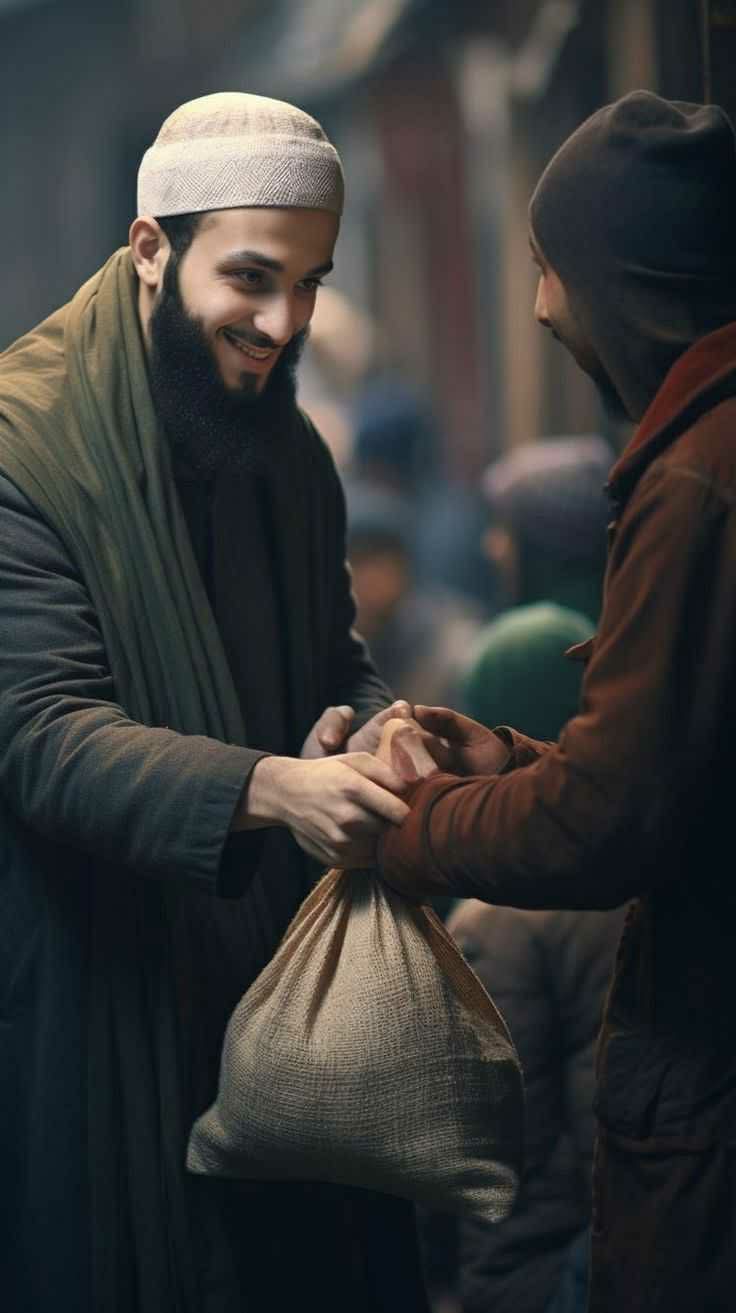
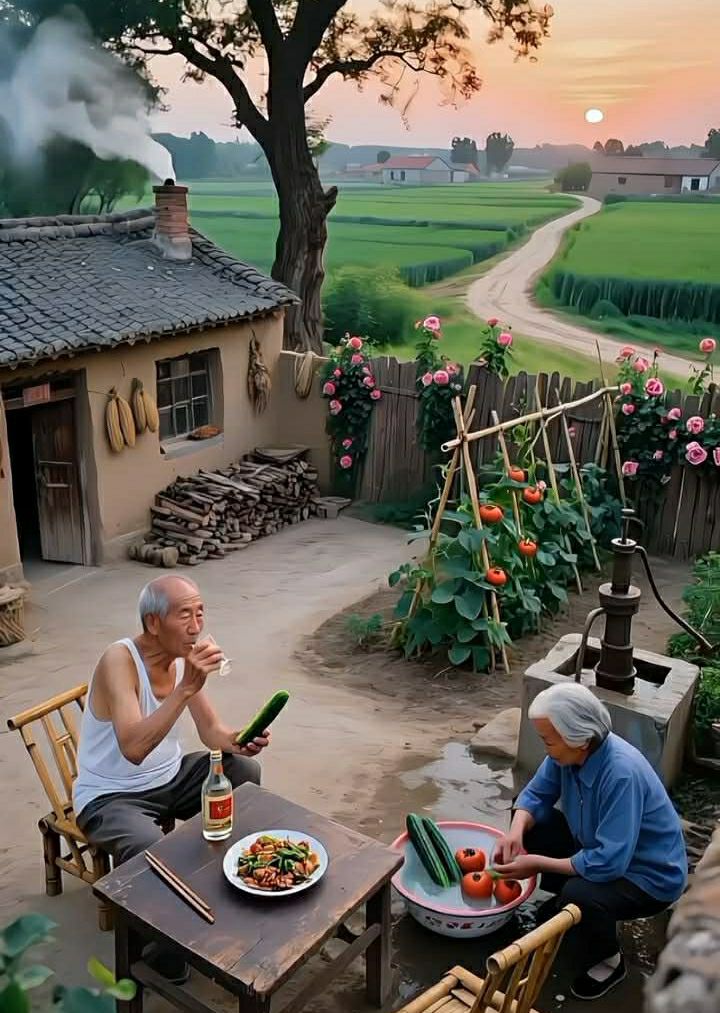
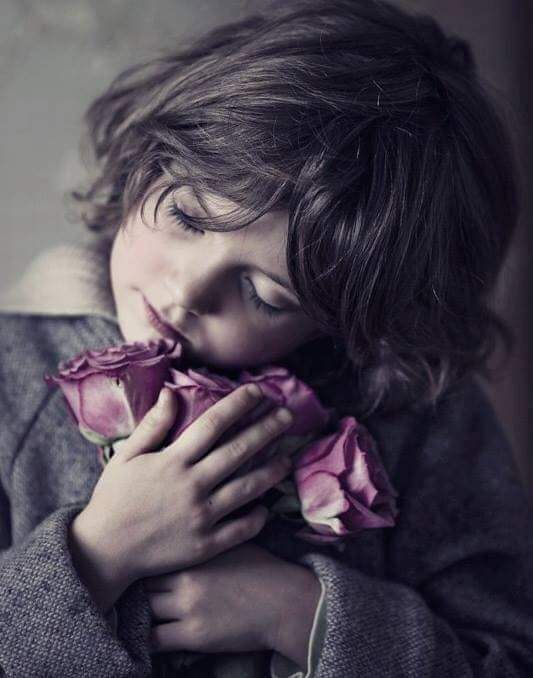
There are days when everything feels heavy , like the air itself is thicker, and even simple things take more effort. You wake up, make your coffee, and wonder how to hold it all together. Yet, sometimes, in the middle of that quiet struggle, a small reminder appears , a bird’s song outside your window, the way the morning light spills across the floor, or a kind word from someone you didn’t expect.
It’s strange how gratitude often hides in those tiny, ordinary things. It doesn’t ask us to ignore what hurts. It doesn’t magically fix the hard parts of life. But it does something gentler , it changes the way we see.
When we start paying attention to what’s still good, even if it’s small, the sharp edges of pain soften a bit. The world feels a little less gray. We remember that loss and love can live side by side, that sadness can share space with wonder. Gratitude doesn’t erase the darkness, but it reminds us that light still exists and it’s closer than we think.
Sometimes, gratitude is just whispering, “I’m still here. I still have something.” It’s realizing that even when plans fall apart, or people drift away, there are still reasons however fragile to keep believing in life’s goodness.
So today, pause for a second. Look around. Maybe your reason to smile is sitting quietly right in front of you a familiar smell, a memory, a small kindness.
The truth is, beauty never fully disappears. It just waits for us to notice it again.
Somewhere along the road of growing older, I’ve started asking a different kind of question—not about achieving more or standing out, but about what it means to simply be.
There was a time when I equated meaning with success. With visibility. With being someone others recognized or admired. But these days, in the soft hush of early mornings or the long pause before sleep, I ask myself something else entirely:
Can a life be deeply meaningful even if it’s not exceptional by the world’s standards?
This question doesn’t come from sadness. It comes from curiosity. It’s the kind of question that stirs quietly in the soul—not loud or dramatic, just honest.
I no longer chase urgency. Some mornings, there’s no plan at all. No project waiting. No title to uphold. So, I sit. I breathe. I listen. Not to the world clamoring outside, but to the subtle rhythm within: the slow rise of breath, the quiet heartbeat, the pulse of simply existing.
I think often of the words of Alan Watts, who once wrote: “The meaning of life is just to be alive. It is so plain and so obvious and so simple. And yet, everybody rushes around in a great panic as if it were necessary to achieve something beyond themselves.”
That line lands differently the older I get. It’s not a call to do less. It’s an invitation to see more—to notice the sacredness hidden in the ordinary, the beauty of just being here.
I’ve lived a life of genuine effort. I’ve been a filmmaker, a teacher, a musician, a nonprofit worker. My days were full of purpose, but they didn’t come with headlines or honors. Still, something inside kept whispering, “It’s not enough. You could’ve done more.”
That whisper wasn’t mine alone. It was inherited—from a culture that prizes greatness over goodness, performance over presence, visibility over sincerity.
Even in my younger years, I remember wanting to be seen. Not for fame, but for validation. I had dreams, questions, a yearning for connection—but rarely felt invited to share them. I wasn’t excluded, just overlooked. And so I learned to measure value by recognition. If no one asked, maybe it didn’t matter. If I wasn’t extraordinary, maybe I wasn’t enough.
These quiet injuries shape us. They drive us to overextend, to seek affirmation outside ourselves, to confuse being noticed with being worthy.
But now I understand—I was never failing. I was simply living a different kind of life. A sincere life. A quiet, faithful walk through the world that doesn’t always show up on resumes or in applause.
And that realization shifted everything.
Because this isn’t only about personal healing—it’s about cultural remembering.
In many parts of modern life, especially in the West, aging is treated like a slow vanishing. Youth is glamorized. Speed is celebrated. Noise is rewarded. We speak of honoring elders, but too often we forget to listen to them. The wisdom of lived experience is brushed aside for the flash of the new.
But not every culture has forgotten.
In many Indigenous communities, elders are the memory-keepers. The ones who hold the stories, the rhythms, the guidance passed down through seasons of being. The Stoics believed that wisdom—not fame—was the highest virtue. In ancient tribes and forgotten villages, older voices still guide the path forward, not because they shout, but because they’ve learned to listen first.
What kind of culture forgets the value of its elders? What kind of system discards a deeply lived life simply because it doesn’t perform anymore?
I don’t want to answer that question with frustration. I want to live the alternative. If the world forgets to see aging as deepening, then I will choose to see it that way—for myself and for others.
In recent years, I’ve found comfort in Buddhist teachings. Not as dogma, but as a gentle rhythm. The Four Noble Truths helped me name a suffering I never quite understood: the craving to be other than I am. That craving once wore the mask of ambition, perfection, and productivity. But I now see it for what it was: a distraction from presence.
The invitation of the Buddhist path isn’t to achieve. It’s to return. Return to presence. To enoughness. To the gentle breath of now.
Letting go of the need to be exceptional doesn’t mean giving up. It means softening into what’s real. It means asking: What happens if I live this moment fully, even if no one applauds?
Carl Jung once said that his prescription for most patients was simple: walk every day and write things down. I’ve taken that to heart. Writing has become my way of listening inward. I don’t write for fame. I write to find clarity. To feel the quiet pulse of truth beneath my experiences. Even if no one reads the words, they’ve already done their work in me.
I no longer wait for someone to offer me a platform. I’ve stopped hoping to be chosen. Instead, I live as if what I carry matters—because it does.
Even now, doubts visit me. Did I make enough of this life? Did I leave a mark? But I’ve learned not to fear those questions. I welcome them like old friends. And I respond, softly:
Yes. It matters. Because I lived it with heart. Because I stayed true to what called me. Because I kept showing up—even when no one was looking.
That, to me, is enough.
Perhaps we were never meant to be exceptional. Perhaps we were meant to be present. To live with care. To offer kindness. To pass along something quieter than legacy but more enduring than fame: presence, attention, love.
In the quiet countryside of southern Ohio, tucked between golden wheat fields and rolling hills, lived a young woman named Meghla. She was soft-spoken and thoughtful, with a presence so gentle that the townsfolk often said, “She’s not just a girl—she’s like a passing cloud in a summer sky.”
Her closest friend since childhood had been Anik—a lively, spontaneous boy who chased butterflies, dreams, and mischief with equal passion. Together, Meghla and Anik were inseparable, like the breeze and the leaves it carried.
But life has its strange turns.
One summer, the county fair came to a nearby town. Artists, vendors, and travelers arrived from cities far away. That’s when Anik met Trisha—a city girl with sleek confidence and a sparkle in her eye that turned heads. At first, Meghla didn’t mind. But over time, Anik’s laughter changed tone, his gaze lingered elsewhere, and his time slipped away like sand through her fingers.
The most painful moment came on their friendship day—a day Meghla held dear for years. She had made a small handmade gift and waited by the edge of the creek that ran behind the fields, where they always met. But Anik never showed up. Later, she learned he had gone to the city with Trisha, without a word.
A few days later, the wound was pierced deeper when Anik casually said, “You’re just too ordinary, Meghla. You won’t understand where I’m headed.”
She didn’t reply. Her silence that day was louder than tears.
Seasons changed. Leaves turned gold and fell. But Anik never came back, never apologized, and never asked how she had been.
One crisp autumn afternoon, Meghla sat by the same creek, staring at the slow-moving water. An old woman, sitting on a wooden bench under a sycamore tree, noticed her. With eyes full of stories and a voice smooth like worn river stones, she spoke gently:
“Sweetheart, not everyone has the heart you do. Some people don’t ask for forgiveness because they haven’t yet learned what it means. But if you want peace, real peace, then forgive—not for them, but for yourself.”
Meghla looked down at her reflection in the water, shimmering with fallen leaves. And then, quietly, as if speaking to the wind and her own heart, she whispered:
“I discovered my inner strength when I chose to forgive someone who never apologized. That decision freed me from the chains of the past.”
She didn’t cry that day. Instead, her heart felt light—like something had been unfastened, set free.
From that moment on, Meghla stopped repeating Anik’s name. Not out of bitterness, but because she no longer needed to carry his memory as a wound. Her silence had turned into peace.
And anyone who passed by the countryside of Ohio, near that quiet creek, would often see a woman sitting by the water with a calm smile on her face—the kind of smile that only comes when someone has finally made peace with their pain.
Forgiving yourself is not merely a kind gesture—it’s a transformative practice that has the power to change your life in profound ways. In our often critical and unforgiving world, it’s easy to hold onto mistakes, regrets, and feelings of inadequacy. However, embracing self-forgiveness is the first step toward freeing yourself from the burdens of the past and opening up to a brighter, more compassionate future.
—
Embracing Imperfection
The idea of forgiving yourself might seem daunting because it involves accepting that you are, first and foremost, human. Humans make mistakes. In a society that often glorifies perfection, it is crucial to remember that every error is an opportunity to learn and grow. When you forgive yourself, you acknowledge that perfection isn’t the goal—growth, learning, and evolution are. This process allows you to step away from the harsh self-judgment that keeps you tethered to old hurts and opens the door to self-compassion.
—
The Healing Power of Letting Go
Holding onto guilt, regret, or self-recrimination can be incredibly draining, both emotionally and physically. The act of forgiving yourself is like shedding old, heavy armor that has protected you from pain but also prevented you from experiencing joy and connection. By letting go of these burdens, you create space for healing.
Think of self-forgiveness as a necessary detox for your soul. Once you release the negative thoughts and emotions that no longer serve you, you empower yourself to move forward with a newfound sense of clarity and peace. This healing process not only transforms your inner world but also radiates outward, enhancing your relationships and interactions with others.
—
A Ripple Effect on Those Around You
When you embark on the journey of self-forgiveness, your actions have a ripple effect on your environment. As you heal, you naturally become more compassionate and understanding toward others. Your willingness to forgive yourself models an important behavior that can encourage others to do the same. By setting aside self-criticism, you contribute to a culture of empathy and acceptance, strengthening the connections you share with family, friends, and even strangers.
Self-forgiveness becomes the foundation upon which healthier relationships are built. When you are kind to yourself, you can extend that kindness to others, helping both you and your loved ones experience deeper emotional well-being.
—
Cultivating Self-Forgiveness in Daily Life
Transforming self-forgiveness from an abstract idea into a daily practice involves several key steps:
Mindful Reflection: Take time each day to reflect on your actions, thoughts, and feelings. Recognize moments where harsh self-judgment arises, and gently remind yourself that learning from your missteps is part of the human experience.
Compassionate Self-Talk: Replace negative internal dialogue with encouraging and supportive language. Celebrate your efforts and acknowledge that every step, even small ones, contributes to your personal growth.
Setting Intentions for Growth: Instead of fixating on past mistakes, focus on actionable steps you can take today to improve and evolve. Set clear, compassionate goals that honor your humanity.
Seeking Support: Sometimes, the journey toward self-forgiveness is easier with external support. Whether it’s through therapy, support groups, or trusted friends, sharing your struggles can help you see that you’re not alone, and that forgiveness is a shared human experience.
—
The Transformation Begins Within
Forgiving yourself is a courageous act—a declaration that you deserve to heal and that you’re worthy of peace. It’s an invitation to reconnect with your inner self, to nurture your spirit, and to embrace the full spectrum of your experiences without judgment. As you step forward on this path, you’ll find that letting go of self-criticism brings clarity, resilience, and the promise of a brighter future.
Remember, the journey to self-forgiveness is ongoing, and each day is an opportunity to reaffirm your commitment to healing. By choosing to forgive yourself, you not only begin the process of mending the wounds of the past but also pave the way for a more compassionate, vibrant, and connected life.
—
Self-forgiveness truly is the catalyst for healing—it is where the journey of transformation begins and where the beauty of a compassionate life is nurtured. Embrace it fully, and witness the boundless changes it brings into your life.
Life’s unexpected challenges have a way of shaking us to our core. These trials, while uncomfortable and often overwhelming, serve as a kind of cleansing process. They strip away pretenses and reveal the true nature of the people in our lives. In these moments, you begin to see clearly who can confront darkness with you and who avoids it altogether, often fleeing the shadows within themselves.
This process, though painful, is enlightening. One universal truth becomes clear: those who cannot face their own shadows are unlikely to show up for others when darkness descends. We live in a world addicted to distractions—social media, endless entertainment, and superficial connections. Many of us delay dealing with the hard truths of life until there is no other choice. This avoidance culture fosters a cycle where privilege shields people from reality, leaving little room for genuine connection or growth.
When life challenges you, it’s not just your resilience that’s tested; it’s also a test of the strength and authenticity of your relationships. You might find yourself feeling disappointed or even betrayed by those who retreat when you need them most. But instead of clinging to these fleeting connections, shift your focus to those who remain steadfast. These are the people who can sit with you in the discomfort, offer a shoulder to lean on, and walk with you through the storm. They are rare, but they are worth treasuring.
Challenges not only reveal others’ true character but also help us reflect on our own. How do we show up for the people in our lives? Are we willing to confront our shadows and be there for others in their moments of need? This introspection is vital because it helps us grow into the kind of individuals who can offer the compassion and understanding that are so desperately needed in a world that often lacks both.
Compassion is the key to bridging divides and healing souls. But true compassion isn’t always convenient or easy. It requires vulnerability, courage, and a willingness to embrace the uncomfortable. It’s not the type of compassion that’s posted on social media for likes or recognition. It’s the kind that quietly sits with someone in their pain, offering support without judgment or expectation.
When you practice this kind of compassion, you not only strengthen your relationships but also create a space for your own healing. By extending grace to yourself and others, you can transform even the darkest moments into opportunities for growth and connection.
In the end, life’s challenges are an opportunity to refine your perspective and your relationships. They help you recognize the people who truly matter—those who stand by you not just in the light but also in the shadows. And they remind you of the incredible power of compassion to heal, connect, and transform.
Let the trials of life serve as a teacher. Embrace those who stay. Release those who leave. And above all, nurture the compassion that turns life’s shadows into a source of light and wisdom.
When life deals us profound trauma, it’s common to hear advice like, “You need to forgive to move on.” But let’s be honest—how can you even think about forgiveness when the pain still feels raw and overwhelming? It’s not that forgiveness doesn’t have value, but when you’ve been deeply hurt, it shouldn’t be the first step. Healing must come first.
Forgiveness is often seen as the ultimate goal, but expecting it too soon can feel like putting a bandage on a wound that hasn’t been cleaned. Healing after trauma isn’t about rushing to forgive; it’s about tending to your pain, understanding what you’ve been through, and creating a life that feels safe, loving, and whole again.
Sarah’s Story
Let me share a story to show how this works in real life.
Sarah was a vibrant, outgoing woman who loved deeply and trusted fully. But one day, her world came crashing down when her closest friend, Emily, betrayed her trust in the most painful way. Emily had spread deeply personal information about Sarah to others, leading to humiliation and shattered relationships. Sarah felt blindsided, hurt, and hollow.
At first, everyone told Sarah she needed to forgive Emily and move on. “It’s the right thing to do,” they said. But Sarah wasn’t ready. Every time she thought about forgiveness, it felt like she was being asked to pretend the pain didn’t exist. So instead, she chose a different path: healing.
Sarah began focusing on herself. She joined a local yoga group where she found a sense of peace and community. She started journaling, pouring her thoughts and emotions onto the page. And slowly, she began reconnecting with new people who valued her for who she was.
One day, while walking in the park, Sarah noticed something remarkable. The bitterness and anger she’d been carrying toward Emily weren’t as heavy anymore. In its place was a sense of calm. It wasn’t that Sarah excused what Emily had done, but she no longer felt trapped by the betrayal. Forgiveness, she realized, had found her—not because she forced it but because her heart had begun to heal.
Why Healing Matters First
Like Sarah, when someone deeply hurts us, it can shake our sense of self, safety, and trust. Healing isn’t just about moving past the event—it’s about tending to the emotional wounds it leaves behind. These scars can impact how we see ourselves and the world. Healing is about gently working through those scars and reclaiming your inner strength.
For example, if your trauma left you feeling unloved or unworthy, healing might look like finding people or experiences that remind you of your value. If it left you feeling unsafe, healing might involve building a life where you feel protected and secure.
This process is essential because it’s hard to forgive when you’re still in survival mode. It’s hard to release anger or resentment when you haven’t yet rebuilt the parts of yourself that were hurt. Healing is the foundation upon which forgiveness can stand.
The Power of Opposites
One of the most effective ways to heal is to seek out the opposite of the harm you experienced. If someone’s actions made you feel isolated, surround yourself with love and connection. If their words made you feel small or powerless, take steps to regain your confidence and autonomy.
This doesn’t erase the pain, but it creates balance. It teaches your mind and heart that while the world can be harsh, it can also be kind. You’re reminding yourself that you’re not defined by what happened to you.
When Forgiveness Comes Naturally
As you heal, something remarkable begins to happen. The pain that once felt overwhelming starts to fade. The anger that consumed you might feel less sharp. The resentment might not hold as much weight.
And forgiveness? It often arises naturally—not as an act of will but as a byproduct of your inner peace. When the chaos within you settles, forgiveness can feel less like a task and more like a gift you give to yourself.
Give Yourself Time
Healing isn’t a straight path—it’s more like a winding road with moments of progress and setbacks. And that’s okay. Each step you take toward love, safety, and resolve is a victory.
Remember, forgiveness isn’t a requirement for healing; it’s often a gift that healing brings. So focus on what you need right now—peace, strength, and hope. Like Sarah, you’ll find that the rest will come in its own time.
Your journey is your own, and you have the strength to walk it.
Forgiveness is often misunderstood as something passive, a simple act of letting go. But forgiveness is a powerful, active choice that allows us to transcend negativity and release ourselves from pain. When we forgive, especially those who knowingly or unknowingly hurt us, we don’t condone their actions. Rather, we free ourselves from the weight of resentment and regain control over our peace of mind. In doing so, we shift our focus away from seeking revenge or harboring anger and move toward a place of inner contentment and spiritual growth.
Imagine carrying around a heavy load of anger and bitterness. Each time we think of those who have wronged us, the load gets heavier, weighing down our spirit and clouding our thoughts. But when we forgive, we consciously put down that burden. We understand that revenge only keeps us chained to the pain of the past, while forgiveness is the key to freedom. This act of release brings immense joy to the heart, a joy that grows when we trust in something greater than ourselves. For many, surrendering this pain to God or the universe brings peace, as we feel supported and held by a power beyond our human understanding.
Those who act out of malice or hatred are often trapped within their own negativity. They live in a cycle of their own creation, one that is not only harmful to others but also to themselves. When we choose not to engage with their negativity—when we refuse to let them dictate our emotional response—we reclaim our power. We become an example of how love, rather than hate, can shape our lives. No one can truly harm us unless we allow their actions to seep into our heart and mind. Instead of letting others’ negativity disturb our peace, we can see these individuals as part of life’s tests, as opportunities for growth and reflection.
Holding onto hate is like planting seeds of negativity in our own hearts. Every time we replay old hurts, we reinforce our pain, allowing it to flourish and attract more negativity. This “magnet” of resentment pulls more of what we don’t want into our lives. However, when we replace hate with love and forgiveness, we shift the energy within us and around us. Loving thoughts attract kindness, peace, and positive energy. Hate, on the other hand, only attracts more pain and discord, drawing us further away from the joy we all seek.
Our journey toward forgiveness doesn’t just transform us; it also impacts those around us. When we choose to forgive, we spread healing energy—not only within ourselves but also toward others. This positive energy can sometimes even reach those who have hurt us, as love can be a powerful healer in ways we may not fully see. Moreover, this choice to forgive allows us to fully appreciate the blessings we do have, like the presence of friends who bring joy, kindness, and comfort. Gratitude deepens our experience of life and helps us realize that our time and energy are better spent nurturing these supportive connections.
In the end, forgiveness is a testament to our resilience and inner strength. By choosing love over hate, compassion over resentment, we can experience a profound sense of freedom and peace. True forgiveness means realizing that we cannot change others, but we can always change how we respond to them.