Life has a way of testing us, often in unexpected and challenging ways. It’s like a storm that catches you off guard—one moment, you’re enjoying a gentle breeze, and the next, you’re battling fierce winds that seem determined to knock you down. Just when it feels like everything is falling into place, when you finally catch a glimpse of peace and think, “This is it, I’ve found my balance,” life shakes things up again, reminding you that nothing stays the same for long.
We’ve all experienced it—the frustration of taking a step forward only to be pushed two steps back. Life isn’t just about smooth paths and gentle winds; it’s also about rough roads, difficult moments, and harsh lessons that test us to our core. These times can leave us feeling lost, questioning our purpose, and wondering where we truly belong.
But in the midst of these challenges, I’ve found comfort in a simple truth: change is inevitable. No matter how hard or painful the moment, it will pass. This reminder has become a quiet mantra for me, a grounding thought that keeps me going through life’s uncertainties. It’s a message that when things are tough, they won’t stay that way forever, and that we have the power to adapt, rebuild, and rise stronger.
This truth applies equally to the good times. When life feels calm and joyful, I’ve learned not to take it for granted. Instead, I remind myself to savor these moments, to embrace them fully, knowing that they, too, are part of life’s ebb and flow. It’s not about living in fear of what’s to come, but about deeply appreciating the present—understanding that life’s beauty is often found in its fleeting, precious moments.
The constancy of change brings a certain kind of beauty. It keeps us humble during the highs and gives us hope during the lows. Much like standing at the edge of an ocean—some days calm, some days wild—the tides remind us that life is always moving, always evolving. And in that movement, we find our own strength to grow, adapt, and transform.
So, whether you’re in a season of joy or struggle, know that this moment is temporary. It’s not your forever. Life is a journey of unfolding chapters, and each page brings something new. If things are going well, celebrate the now, cherish the joy, and live fully in the moment. And if you’re facing a storm, remember that every storm eventually passes, leaving behind the promise of brighter days.
Hold on to hope, even when it feels distant. Whether through prayer, faith, or simply trusting the natural rhythm of life, know that you have the strength to endure. You have the resilience to heal, the capacity to love again, and the courage to keep moving forward.
Change is inevitable, but so is your ability to grow and find joy again. Trust the process, embrace the journey, and keep your heart open to the beauty that’s always waiting around the corner. Life, with all its challenges, also offers constant moments of wonder and grace—you just have to be ready to see them.
Have you ever felt completely connected to everything around you, as if the lines separating you from the world disappeared? This experience is what we call Oneness. It’s not something that we can fully grasp with our minds, but rather something we feel at the core of our being.
Oneness is the deep sense of being intertwined with all of existence—people, nature, the universe. In this state, there is no division between you and anything else. It’s a profound moment where you feel completely at peace, knowing you are a part of everything and everything is a part of you.
Beyond Thought, Into Pure Experience
We often try to understand life with our minds, analyzing and categorizing everything. But the experience of Oneness goes beyond what we can think or intellectualize. It’s not about a thought or a belief; it’s about an overwhelming sense of connection that happens on every level of our being—emotional, spiritual, and even physical.
In moments of Oneness, you feel a sense of harmony that can’t be described in words. You may feel at peace with the world, embraced by life itself, or simply content in the awareness that all things are interconnected. It’s as if you have merged with life itself, losing the sense of separateness that normally defines our daily experiences.
Feeling Connected to All Living Beings
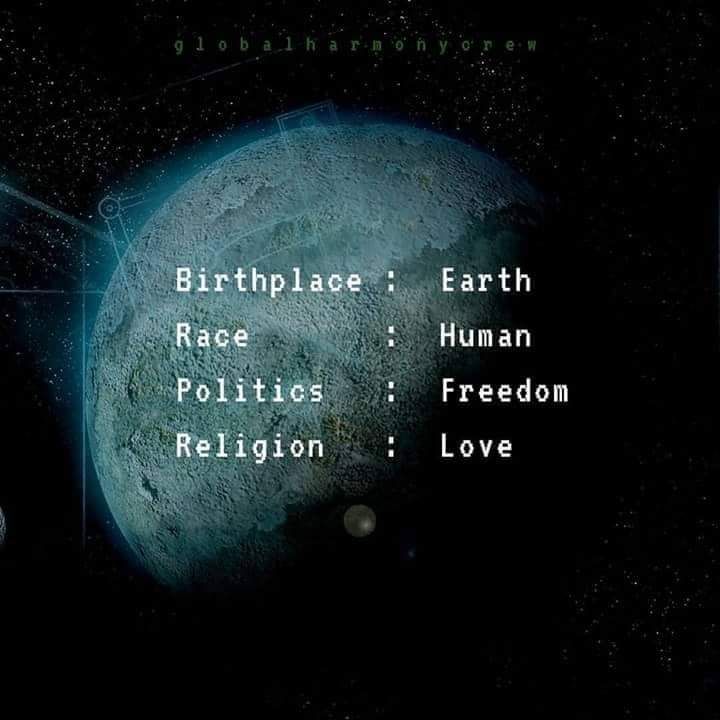
At the heart of Oneness is the understanding that all life is connected. Whether it’s the plants in your garden, the animals in the wild, or people across the globe, we are all expressions of the same universal energy. When we truly experience this connection, we realize that the divisions we see—race, nationality, religion—are just illusions. At our core, we share the same essence.
This realization can spark a deeper sense of compassion and love for others. When you recognize that someone else’s suffering is also a part of the collective whole, you are moved to care for them just as you would care for yourself. Oneness teaches us that we are not separate islands; we are all drops in the same ocean of life.
The Oneness Within Nature
One of the easiest ways to tap into the experience of Oneness is through nature. Have you ever walked through a forest or sat by the ocean and felt an overwhelming sense of peace? Nature has a way of reminding us that we are part of a much larger ecosystem, connected to the earth, the sky, and all living things.
In these moments, we are invited to step out of our busy minds and into a state of being that is purely present. The gentle rustle of leaves, the rhythm of ocean waves, or the quiet stillness of a mountain can bring us into alignment with the flow of life. It’s here that we often catch a glimpse of the oneness that connects us all.
Oneness as a Path to Inner Peace
Experiencing Oneness not only transforms how we relate to the world but also brings profound inner peace. When we stop seeing ourselves as separate from the rest of life, we also stop resisting what life brings our way. We learn to move with the flow of existence rather than against it. This surrender allows us to find peace even in challenging situations.
When we experience Oneness, there’s a sense of trust in the unfolding of life. We no longer feel the need to control every outcome because we understand that we are part of a greater whole. Life becomes less about individual success or failure and more about participating in the larger dance of existence.
Cultivating the Experience of Oneness
While Oneness can be a spontaneous experience, there are ways we can cultivate this feeling in our daily lives. Practices like meditation, mindfulness, and gratitude can help us quiet the mind and tune into the deeper connection we have with all things. By slowing down and being fully present in each moment, we open ourselves to the experience of Oneness.
Another way to nurture this connection is through acts of kindness and service. When we help others, we reinforce the idea that we are all connected, that our well-being is tied to the well-being of others. In giving, we feel a sense of unity with those around us, further deepening our awareness of Oneness.
Embracing Oneness in Everyday Life
Oneness isn’t just a fleeting spiritual experience; it’s something we can bring into our everyday lives. It’s a perspective that shapes how we treat others, how we interact with the world, and how we understand ourselves. When we truly embrace Oneness, we move through life with a sense of unity, love, and compassion.
In every moment, we have the opportunity to remind ourselves of our connection to all that exists. Whether through quiet reflection, connection with nature, or loving acts of service, we can live in a way that honors the Oneness we share with the world.
After a country gains independence, the journey towards growth, stability, and unity often presents both challenges and opportunities. True progress isn’t solely dependent on political and economic systems but on healing the deeper imbalances within the collective consciousness of society. When a nation addresses these core issues, it can lay the groundwork for lasting development, peace, and harmony. Here are some key approaches that can lead to meaningful change in a post-independence society:
1. Cultivating Empathy and Compassion
One of the first steps toward healing a newly independent nation is fostering empathy and compassion among its citizens. Independence often comes after periods of conflict or social unrest, leaving behind divisions within society. Promoting understanding and care for one another is essential in bridging these divides.
Encouraging empathy in schools, workplaces, and local communities can help foster deeper relationships between people from different backgrounds. When individuals begin to see and value each other’s experiences, it reduces conflict and promotes cooperation. A compassionate society is one where people look out for each other, contributing to greater social cohesion and stability.
2. Promoting Education and Critical Thinking
Education is the cornerstone of any progressive society, and it becomes especially important in a country emerging from the shadow of colonialism or external control. Investing in education that encourages open-mindedness, critical thinking, and curiosity enables citizens to better understand the world around them.
Such education systems empower individuals to make informed decisions, challenge harmful norms, and adapt to new challenges. Moreover, a well-educated population is better equipped to contribute to the development of key sectors like health, technology, and infrastructure—paving the way for innovation and sustainable progress.
3. Focusing on Mental and Emotional Well-Being
A healthy nation is not just physically well but also mentally and emotionally resilient. In many post-independence societies, the focus tends to be on rebuilding political and economic structures, while the mental health of citizens is often neglected. However, prioritizing mental and emotional well-being is crucial for building a harmonious society.
Offering mental health support, breaking the stigma around emotional struggles, and creating safe spaces for healing can help individuals recover from past traumas. Societies that promote mental well-being often see stronger interpersonal relationships, increased social trust, and a greater sense of community. This, in turn, fosters resilience and unity in the face of challenges.
4. Leading by Example: The Power of Positive Action
Change begins at the individual level. Leaders, public figures, and everyday citizens alike have the power to influence society through their actions. By embodying values such as kindness, integrity, and patience, individuals can inspire those around them to act similarly.
This “ripple effect” of positive behavior can create a culture of empathy, responsibility, and accountability within society. Leadership in this context doesn’t just refer to government officials; it includes teachers, parents, and community leaders who have the power to set examples and motivate others to contribute to a healthier society.
5. Encouraging Inclusivity and Diversity
A nation’s strength often lies in its diversity. After independence, it’s crucial to build a society where all voices are heard and respected, regardless of cultural, ethnic, or ideological differences. Inclusivity goes beyond tolerance—it involves actively celebrating different cultures, ideas, and perspectives.
By creating spaces that welcome diversity, nations can dismantle long-standing biases and inequalities. This leads to a more dynamic and innovative society where different viewpoints and experiences contribute to collective growth. Inclusivity strengthens the fabric of a nation, allowing it to flourish from the inside out.
6. Embracing Sustainable Practices
Building a better society in a post-independence world includes a deep commitment to sustainability. As the world faces increasing environmental challenges, it’s essential for newly independent nations to prioritize the protection of their natural resources and promote eco-friendly practices.
Sustainable agriculture, responsible industrialization, and conservation efforts ensure that the environment remains healthy for future generations. By emphasizing the importance of nature, a society shows that it values not only its present population but also the well-being of generations to come. Sustainability is key to long-term national stability.
7. Empowering Citizens Through Service and Community Engagement
In a newly independent nation, empowerment is crucial for uniting the population and fostering collective progress. Encouraging citizens to get involved in community projects, volunteer initiatives, and social causes helps build a sense of ownership and pride in the nation’s future.
When individuals feel empowered to contribute to societal goals, they develop a stronger sense of belonging and purpose. This engagement fosters unity, builds local economies, and ensures that progress is inclusive and reflective of the needs of the broader population.
Conclusion: The Path Forward
Independence is only the beginning of a nation’s journey toward prosperity and stability. Healing the deeper imbalances within society’s collective consciousness—by fostering empathy, education, mental health, and inclusivity—is essential for lasting growth. As individuals lead by example, embrace diversity, and commit to sustainable practices, a newly independent nation can create a solid foundation for a brighter and more harmonious future.
Through collective effort, resilience, and a shared vision of unity, a society can overcome the challenges of independence and thrive for generations to come.
After a country gains independence, the journey towards growth, stability, and unity often presents both challenges and opportunities. True progress isn’t solely dependent on political and economic systems but on healing the deeper imbalances within the collective consciousness of society. When a nation addresses these core issues, it can lay the groundwork for lasting development, peace, and harmony. Here are some key approaches that can lead to meaningful change in a post-independence society:
1. Cultivating Empathy and Compassion
One of the first steps toward healing a newly independent nation is fostering empathy and compassion among its citizens. Independence often comes after periods of conflict or social unrest, leaving behind divisions within society. Promoting understanding and care for one another is essential in bridging these divides.
Encouraging empathy in schools, workplaces, and local communities can help foster deeper relationships between people from different backgrounds. When individuals begin to see and value each other’s experiences, it reduces conflict and promotes cooperation. A compassionate society is one where people look out for each other, contributing to greater social cohesion and stability.
2. Promoting Education and Critical Thinking
Education is the cornerstone of any progressive society, and it becomes especially important in a country emerging from the shadow of colonialism or external control. Investing in education that encourages open-mindedness, critical thinking, and curiosity enables citizens to better understand the world around them.
Such education systems empower individuals to make informed decisions, challenge harmful norms, and adapt to new challenges. Moreover, a well-educated population is better equipped to contribute to the development of key sectors like health, technology, and infrastructure—paving the way for innovation and sustainable progress.
3. Focusing on Mental and Emotional Well-Being
A healthy nation is not just physically well but also mentally and emotionally resilient. In many post-independence societies, the focus tends to be on rebuilding political and economic structures, while the mental health of citizens is often neglected. However, prioritizing mental and emotional well-being is crucial for building a harmonious society.
Offering mental health support, breaking the stigma around emotional struggles, and creating safe spaces for healing can help individuals recover from past traumas. Societies that promote mental well-being often see stronger interpersonal relationships, increased social trust, and a greater sense of community. This, in turn, fosters resilience and unity in the face of challenges.
4. Leading by Example: The Power of Positive Action
Change begins at the individual level. Leaders, public figures, and everyday citizens alike have the power to influence society through their actions. By embodying values such as kindness, integrity, and patience, individuals can inspire those around them to act similarly.
This “ripple effect” of positive behavior can create a culture of empathy, responsibility, and accountability within society. Leadership in this context doesn’t just refer to government officials; it includes teachers, parents, and community leaders who have the power to set examples and motivate others to contribute to a healthier society.
5. Encouraging Inclusivity and Diversity
A nation’s strength often lies in its diversity. After independence, it’s crucial to build a society where all voices are heard and respected, regardless of cultural, ethnic, or ideological differences. Inclusivity goes beyond tolerance—it involves actively celebrating different cultures, ideas, and perspectives.
By creating spaces that welcome diversity, nations can dismantle long-standing biases and inequalities. This leads to a more dynamic and innovative society where different viewpoints and experiences contribute to collective growth. Inclusivity strengthens the fabric of a nation, allowing it to flourish from the inside out.
6. Embracing Sustainable Practices
Building a better society in a post-independence world includes a deep commitment to sustainability. As the world faces increasing environmental challenges, it’s essential for newly independent nations to prioritize the protection of their natural resources and promote eco-friendly practices.
Sustainable agriculture, responsible industrialization, and conservation efforts ensure that the environment remains healthy for future generations. By emphasizing the importance of nature, a society shows that it values not only its present population but also the well-being of generations to come. Sustainability is key to long-term national stability.
7. Empowering Citizens Through Service and Community Engagement
In a newly independent nation, empowerment is crucial for uniting the population and fostering collective progress. Encouraging citizens to get involved in community projects, volunteer initiatives, and social causes helps build a sense of ownership and pride in the nation’s future.
When individuals feel empowered to contribute to societal goals, they develop a stronger sense of belonging and purpose. This engagement fosters unity, builds local economies, and ensures that progress is inclusive and reflective of the needs of the broader population.
Conclusion: The Path Forward
Independence is only the beginning of a nation’s journey toward prosperity and stability. Healing the deeper imbalances within society’s collective consciousness—by fostering empathy, education, mental health, and inclusivity—is essential for lasting growth. As individuals lead by example, embrace diversity, and commit to sustainable practices, a newly independent nation can create a solid foundation for a brighter and more harmonious future.
Through collective effort, resilience, and a shared vision of unity, a society can overcome the challenges of independence and thrive for generations to come.
Life has a way of surprising us. One moment, everything seems to be in its place, and the next, the very foundation we stand on feels like it’s crumbling. Whether it’s the end of a relationship, the loss of a job, or even the close of a cherished chapter in our lives, these moments can leave us feeling lost, hurt, and overwhelmed.
It’s natural to grieve during these times. Painful endings are just that—painful. They challenge our sense of stability and security, leaving us questioning, “Where do I go from here?”
But here’s a secret that life teaches us time and again: new beginnings are often disguised as these very endings.
When Life Forces You to Pause
When we encounter loss or disappointment, it’s as though life forces us to pause and reflect. The disruption gives us no choice but to stop and assess where we are and where we want to be. It may not feel like it at first, but these interruptions are opportunities in disguise.
They ask us to re-evaluate our priorities, understand our true desires, and step out of our comfort zones. It’s in these moments of discomfort that we begin to grow.
Why Pain is a Path to Growth
Think about it—without the pain of outgrowing old situations, would we ever feel compelled to step into something new? It’s in the struggle that we learn our strength. Pain is not a sign of failure; it’s a sign of transformation.
As humans, we are wired to resist change. But without it, we become stagnant. Just as a seed must break apart in the dark soil before it can grow into a mighty tree, we too must face the darkness of painful endings to blossom into our fullest potential.
The Light at the End of the Tunnel
The beauty of every ending is that it holds the promise of a beginning. Think back to times in your life when you thought something was over for good—when you couldn’t possibly imagine life being any different. Yet here you are, standing stronger, wiser, and more aware of your own resilience.
Those moments that once felt like the end of your world? They were the birth of a new version of you.
Embrace the Unknown
The unknown can be terrifying, but it is also where life’s magic happens. Instead of fearing what’s next, what if we learned to embrace it with curiosity and openness? What if we could trust that something better is waiting on the other side?
It’s not easy to shift our perspective when we’re in the midst of heartache, but it is possible. By focusing on what lies ahead rather than what we’ve left behind, we open ourselves up to endless possibilities. The pain we feel in the present is simply part of the journey to something greater.
Trust the Process
In moments of ending, the mind wants answers. It wants to know why something had to happen and how the future will unfold. But part of the healing process is learning to trust without having all the answers. Life unfolds in ways we can’t always predict, but that doesn’t mean it isn’t guiding us to where we’re meant to be.
So, the next time you find yourself facing an ending, remember this: it’s not the end of your story. It’s merely the end of a chapter. And like any great story, the best is yet to come.
Your Turn
What are some of the endings in your life that eventually led to a beautiful new beginning? Share your thoughts in the comments below—I’d love to hear your experiences.
In the ever-evolving landscape of knowledge, there is a powerful truth that often gets overlooked: the more we learn, the more we realize how much we don’t know. Accepting this reality is not only humbling but also essential for true growth. Learning isn’t a destination; it’s a continuous journey. To truly embrace this journey, we must cultivate an openness to new information and an understanding that our current knowledge is never complete
The Power of Admitting You Don’t Know Everything:
Many of us cling to the idea that our knowledge is sufficient, that our understanding of the world is solid and unshakable. This belief can become a barrier, preventing us from exploring new ideas and perspectives. However, admitting that we don’t know everything is not a sign of weakness—it’s a strength. It opens the door to deeper insights and broader horizons. When we accept that our understanding may be limited or even flawed, we create space for growth.
Unlearning: The Key to Relearning:
Learning is not just about acquiring new information; sometimes, it’s about letting go of what we think we know. This process of unlearning is crucial because it allows us to discard outdated or incorrect beliefs that no longer serve us. Unlearning requires humility, a willingness to challenge our own assumptions, and the courage to embrace new perspectives. Only then can we relearn, gaining fresh, more accurate, and often more profound insights.
Staying Receptive to New Information:
world, it’s easy to become overwhelmed or complacent. But to remain effective learners, we must stay curious and open-minded. This means actively seeking out new knowledge, engaging with different viewpoints, and being willing to revise our beliefs in light of new evidence. The moment we stop being receptive to new information is the moment we stop growing.
Learning from Unexpected Teachers:
It’s often said that everyone we meet has something to teach us. But what about those people who challenge us, frustrate us, or even make us angry? These individuals can become our greatest teachers if we let them. By learning to open our hearts and minds, we can turn even difficult interactions into valuable lessons. They teach us patience, empathy, and resilience. They push us to reflect on our own behaviors and attitudes, leading to personal growth.
The Infinite Potential of an Open Mind:
Ultimately, the journey of learning is infinite. The more we learn, the more we uncover the vastness of what we have yet to understand. By embracing humility, unlearning old beliefs, and staying open to new ideas, we unlock our potential for endless growth. Remember, learning isn’t about reaching an endpoint; it’s about expanding our minds and hearts in ways we never thought possible. And when we approach life with this mindset, even those who drive us insane can become our greatest teachers.
Conclusion:
In a world that is constantly changing, our greatest asset is not just the knowledge we possess, but our ability to remain open to learning, unlearning, and relearning. By embracing humility, we acknowledge that our understanding is never complete, and by staying curious, we continue to grow in ways that enrich our lives and the lives of those around us. The journey of learning is endless, and the more we commit to it, the more we discover the depth of what it means to be truly human. So, let us approach each day with an open mind and an open heart, ready to learn from every experience—and every person—we encounter. After all, our greatest lessons often come from the most unexpected places.
When others degrade you because of how they perceive the world, remember this: you have no reason to be ashamed of yourself. Their views don’t define your worth.
.It’s possible that nothing is wrong with you. You might be perfectly healthy, just finding it challenging to thrive in a system that wasn’t designed to nurture your spirit. And that’s okay. Sometimes, the world around us doesn’t align with our inner nature, and it’s important to recognize that this misalignment doesn’t reflect any flaw within you.
When emotions arise, acknowledge them. Let yourself feel every sensation without suppression. Emotions are a natural part of the human experience—necessary for our growth. Don’t hold back your tears; instead, breathe through them. Allow yourself to fully embrace what you’re feeling. Your journey is your own, and achieving your goals is within your power. You are the architect of your world.
Remember, you are both light and shadow. Both aspects of yourself are vital, and one cannot exist without the other. By accepting and releasing your emotions, you’ll discover a profound sense of liberation, lightness, and, eventually, contentment. This process will help you grow and maintain inner peace.
Never doubt that you are a wonderful, peaceful, and pure spirit. These qualities are innate to all of us. Those who demean you have simply lost sight of their own strengths and talents. Their perspectives have been shaped by various social, cultural, political, and religious influences, leading them to create systems that serve their own interests. But you don’t need to worry about fitting into their mold.
Have you ever found yourself hesitating, holding back from expressing your true self because you were worried about what others might think? Perhaps you chose not to speak up, or maybe you molded your actions to fit the expectations of those around you. It’s a natural human tendency—we all want to be liked, respected, and accepted. But there’s a hidden cost to this constant concern about others’ opinions, a price that many of us pay without even realizing it.
When you care too much about what others think, you unknowingly hand over the keys to your freedom. You allow their judgments to dictate your choices, your actions, and ultimately, your happiness. In doing so, you become a slave to their expectations, trapped in a cycle of seeking approval and validation.
But what if there was another way? What if you could live a life that is truly your own, free from the burden of others’ opinions?
The truth is, no one’s opinion of you should matter more than your own. When you place your self-worth in the hands of others, you give them control over your life. You become a performer, acting out a script written by someone else, rather than the author of your own story.
Imagine the liberation that comes from letting go of this need for approval. It’s not about disregarding others completely or becoming indifferent to their feelings—far from it. It’s about recognizing that their opinions are just that: opinions. They are reflections of their own perspectives, experiences, and insecurities, not a measure of your worth.
The path to true freedom begins with self-acceptance. When you embrace who you are, with all your strengths and imperfections, you no longer need to seek validation from outside sources. You become your own anchor, steady and sure, regardless of the tides of others’ judgments.
This doesn’t mean the journey will be easy. Letting go of the need for approval is a process, one that requires courage and self-awareness. It means facing the discomfort of being misunderstood, criticized, or even rejected. But in the end, the reward is worth it—a life lived on your own terms, filled with the authenticity and joy that comes from being true to yourself.
So, the next time you find yourself worrying about what others might think, pause and ask yourself: Whose life am I living? Am I making choices that honor my true self, or am I conforming to the expectations of others ?
Remember, you are the author of your own story. Don’t let anyone else hold the pen.
In life, emotional hurt is inevitable. Whether it stems from personal relationships, professional setbacks, or the challenges life throws at us, we all experience pain. However, what if I told you that these painful moments are not mere stumbling blocks but gateways to something much greater? In fact, they can be powerful catalysts for accessing deeper energy and profound growth.
Understanding Emotional Hurt
Emotional hurt often feels like a burden—something we wish to escape from as quickly as possible. The initial reaction is to numb the pain, push it aside, or avoid confronting it altogether. But when we do this, we miss out on an essential opportunity. Emotional pain, when acknowledged and processed, can serve as a transformative force in our lives.
The Energy Within Pain
Pain is a form of energy. It is raw, intense, and, when harnessed correctly, it can propel us forward. When we allow ourselves to feel our emotions fully, we open the door to understanding the root cause of our hurt. This self-awareness is the first step towards healing and growth. Instead of seeing pain as a negative force, we can reframe it as a source of untapped energy, waiting to be directed towards positive change.
Growth Through Suffering
Every time we endure emotional pain, we are presented with a choice: to let it consume us or to use it as a stepping stone towards growth. The process of overcoming emotional hurt requires us to dig deep within ourselves, to confront our fears, insecurities, and vulnerabilities. It is through this introspection that we begin to grow. We learn more about who we are, what we value, and what truly matters in our lives.
The Power of Resilience
Resilience is born out of struggle. Each time we overcome a painful experience, we become stronger, more resilient, and better equipped to face future challenges. This newfound strength is not just physical or mental but also spiritual. It connects us to a greater energy source—a wellspring of inner power that we may not have known existed within us.
Embracing the Journey
The journey through emotional hurt is not easy. It requires patience, self-compassion, and the willingness to embrace vulnerability. But
Transforming Emotional Hurt into a Gateway for Growth
In life, emotional hurt is inevitable. Whether it stems from personal relationships, professional setbacks, or the challenges life throws at us, we all experience pain. However, what if I told you that these painful moments are not mere stumbling blocks but gateways to something much greater? In fact, they can be powerful catalysts for accessing deeper energy and profound growth.
Understanding Emotional Hurt
Emotional hurt often feels like a burden—something we wish to escape from as quickly as possible. The initial reaction is to numb the pain, push it aside, or avoid confronting it altogether. But when we do this, we miss out on an essential opportunity. Emotional pain, when acknowledged and processed, can serve as a transformative force in our lives.
The Energy Within Pain
Pain is a form of energy. It is raw, intense, and, when harnessed correctly, it can propel us forward. When we allow ourselves to feel our emotions fully, we open the door to understanding the root cause of our hurt. This self-awareness is the first step towards healing and growth. Instead of seeing pain as a negative force, we can reframe it as a source of untapped energy, waiting to be directed towards positive change.
Growth Through Suffering
Every time we endure emotional pain, we are presented with a choice: to let it consume us or to use it as a stepping stone towards growth. The process of overcoming emotional hurt requires us to dig deep within ourselves, to confront our fears, insecurities, and vulnerabilities. It is through this introspection that we begin to grow. We learn more about who we are, what we value, and what truly matters in our lives.
The Power of Resilience
Resilience is born out of struggle. Each time we overcome a painful experience, we become stronger, more resilient, and better equipped to face future challenges. This newfound strength is not just physical or mental but also spiritual. It connects us to a greater energy source—a wellspring of inner power that we may not have known existed within us.
Embracing the Journey
The journey through emotional hurt is not easy. It requires patience, self-compassion, and the willingness to embrace vulnerability. But it is a journey worth taking. Every step we take towards healing brings us closer to a deeper understanding of ourselves and our place in the world. It is through this process that we can access a higher level of consciousness, one that is rooted in love, empathy, and a profound sense of purpose.
Accepting the suffering:
We live in a world that often tells us to avoid pain at all costs. We’re encouraged to distract ourselves, to “move on” quickly, or to bury our feelings. Yet, when we embrace our emotional pain instead of running from it, we open ourselves to profound insights. Pain, after all, is not the enemy—it’s a messenger. It signals that something within us needs attention, healing, and transformation.
The Power of Vulnerability:
Allowing ourselves to be vulnerable in our pain is where true growth begins. Vulnerability isn’t a sign of weakness; it’s a courageous act of acknowledging our humanity. When we admit that we’re hurting, we give ourselves permission to heal. This act of self-compassion is the first step in transforming pain into power.
Pain as a Catalyst for Growth:
Consider how many of life’s most valuable lessons are born from moments of pain. These experiences often force us to confront our deepest fears and insecurities. But within this confrontation lies the opportunity for profound personal growth. Each painful experience carries with it the seeds of resilience, strength, and wisdom. When we choose to nurture these seeds, we allow them to grow into something beautiful—an expanded sense of self and a more profound understanding of the world around us.
Energy in Transformation:
Emotional pain has a way of draining our energy, leaving us feeling depleted and exhausted. However, when we actively work through our pain, we can redirect that energy into something constructive. Pain becomes a powerful fuel for creativity, change, and new beginnings. By processing our emotions, we not only reclaim our energy but often find that we have even more to give to ourselves and others.
Practical Steps to Transform Pain:
Acknowledge Your Feelings: The first step is to recognize and accept your emotions. Allow yourself to feel without judgment.Seek Support: Whether through friends, a therapist, or a support group, sharing your pain can lighten the burden and offer new perspectives.Reflect on the Lessons: Take time to reflect on what this pain is teaching you. What insights have you gained about yourself or your life?Channel the Energy: Use the energy from your pain to fuel creative projects, self-care routines, or personal goals. Transformation begins with action.Practice Patience: Growth takes time. Be patient with yourself as you move through this process.
Conclusion:
Emotional pain, though difficult, is not the end of the story. It is a gateway to greater energy, wisdom, and personal growth. By embracing our pain, practicing vulnerability, and channeling our energy into transformation, we can emerge stronger and more resilient than before. The next time you face emotional hurt, remember that within it lies the potential for profound growth and a deeper connection to your inner strength.
In the words of Rumi, “The wound is the place where the Light enters you.” Let your pain be the gateway through which you step into a brighter, more empowered version of yourself.
As we navigate through life’s journey, it’s essential to recognize that our consciousness and mind are not static—they are dynamic parts of our evolution. Just as our physical bodies adapt and evolve, so too do our thoughts, awareness, and understanding. Our consciousness is not merely a passive observer; it’s an active participant in our growth, shaping how we perceive the world and how we respond to it.
In today’s fast-paced world, it’s easy to get caught up in the daily grind, focusing solely on external achievements and the hustle of life. But let’s take a moment to pause and consider the inner landscape of our minds. Our consciousness is where our true evolution begins. It’s where we cultivate our beliefs, nurture our values, and develop the wisdom that guides us through the complexities of life.
The evolution of consciousness is not just about gaining knowledge or intellectual growth—it’s about deepening our understanding of ourselves and the world around us. It’s about expanding our awareness, becoming more mindful, and learning to approach life with compassion and empathy. This process allows us to connect more deeply with others, make more thoughtful decisions, and live in alignment with our true selves.
As we evolve, our consciousness becomes a powerful tool for navigating life’s challenges. It helps us to see beyond the surface, to understand the deeper meaning of our experiences, and to approach life with a sense of purpose. By nurturing our minds and cultivating our consciousness, we empower ourselves to thrive—not just survive—in this ever-changing world.
So let’s commit to this journey of growth. Let’s embrace the evolution of our consciousness with curiosity and courage. As we do, we’ll find that we’re not just moving through life—we’re thriving in it.
Let’s thrive together as we continue to evolve, grow, and become the best versions of ourselves. Our consciousness is a beacon, guiding us toward a life of greater fulfillment, peace, and understanding. Let’s honor this evolution and step boldly into the future it leads us to.