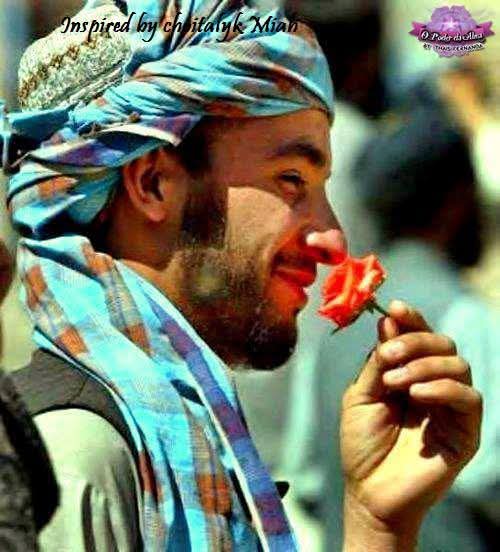
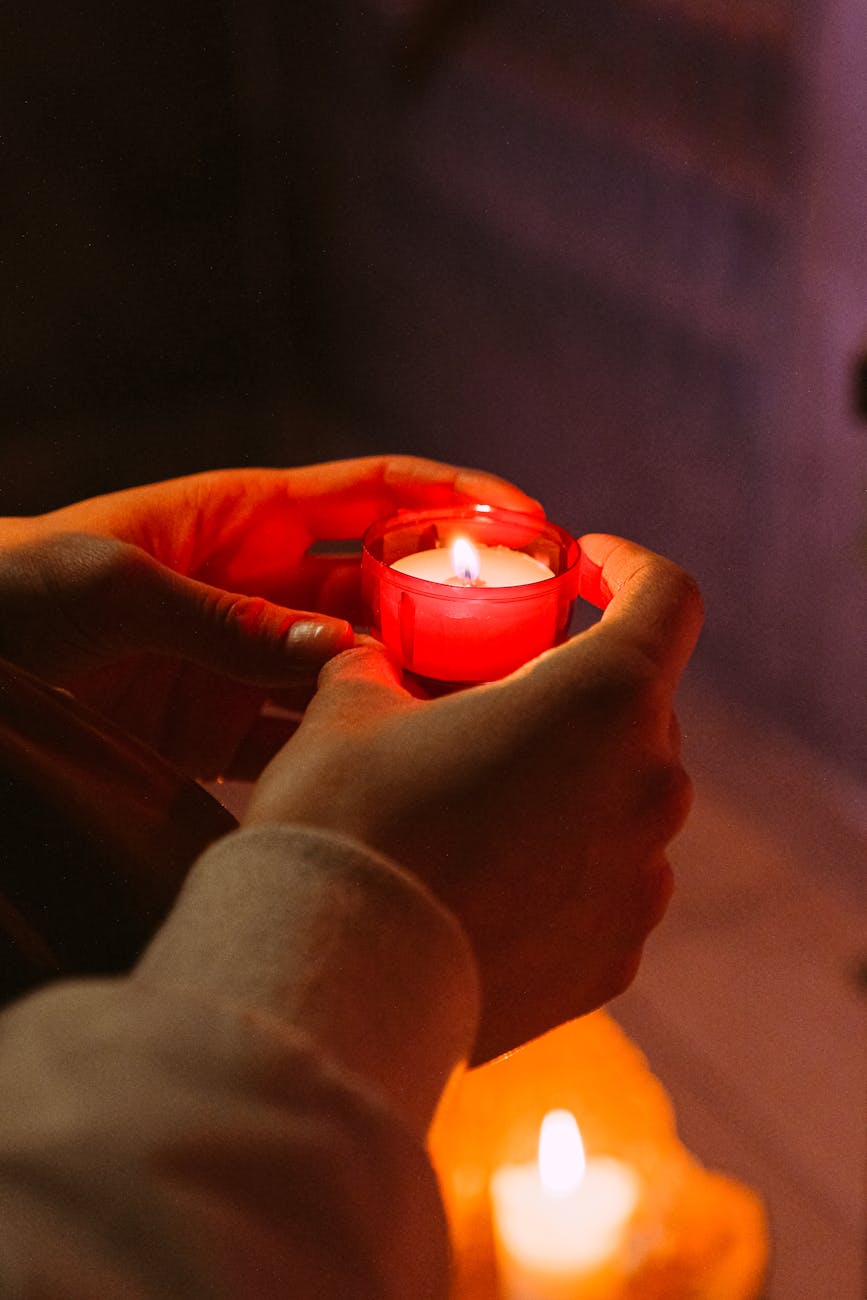
Because when you feel with your whole soul, you don’t simply move through life— you carry it. ?
You carry the sorrow, the silence, the grief, and the loneliness etched into the faces around you— and at times, it feels unbearable, as if it might break you in half.
You ache to heal what’s wounded. To mend what’s shattered. To hold every hurting heart you encounter.
And for as long as you can recall, the world has told you it’s “too much.” That you’re “too tender.” That you care beyond measure.
That your gentle heart is a flaw in a world that worships hard edges.
But I’ve let go of that lie. And I want you to let go of it too.
Because in a time when it is easier to look away, to scroll past, to harden and grow cold— to keep caring is not a weakness.
It is a gift. It is power. It is rare courage.
To love with such fullness that your chest aches to embrace the whole world— that is not fragility, Love. That is strength.
And no matter what anyone whispers or shouts— love has never been a defect.
So if you, like me, feel the weight of it all—
Do not shrink. Do not harden. Do not apologize.
Always remember this—
The world does not crumble because people love too much.
Be not afraid to truly feel, To love with heart both raw and real. Be one who shows up, come what may, Who dares to hope and chooses to stay.
Be one who gives, who takes the time, Who lifts another’s climb to climb. Let kindness guide the things you do — Be brave enough to just be you.
Believe in light when skies turn gray, In gentle words that heal the day. Believe in souls, in second tries, In open hearts and honest eyes.
Be one who stands, who never hides, Whose quiet strength the storm can’t slide. Be one who’s soft, yet deeply strong — Who stays when all have moved along.
This world has seen too much neglect, Too many hearts left unchecked. So be the one who always dares — The rare, the bold, the one who cares.
Once upon a time in a small village nestled between green hills and golden fields, there lived a cheerful little boy named Arin. He was about six years old, with bright eyes full of wonder and a heart as gentle as a spring breeze.
One sunny afternoon, Arin went to the village market with his mother. After buying some vegetables, they stopped by a cozy little shop at the corner—Mr. Ranu’s Sweet Store. It was every child’s favorite spot, filled with jars of colorful sweets, crunchy cookies, and little toys that jingled when you shook them.
Mr. Ranu, a kind old man with twinkling eyes and a thick mustache, spotted Arin walking in.
He leaned over the counter and smiled, “Ah, what a sweet boy! Come here, little one.”
He took out a large glass jar filled with rainbow-colored sweets and opened the lid with a flourish. The smell of sugar and strawberries floated in the air.
“Dear child,” he said warmly, “you can take some sweets! Go ahead.”
But Arin, to everyone’s surprise, simply smiled and shook his head. He kept his hands behind his back and didn’t move an inch.
Mr. Ranu was puzzled. “Why not? Go on, don’t be shy. Take some.”
Arin looked up at him politely but didn’t take the sweets.
His mother, who had been watching, gently nudged him. “It’s okay, Arin. You can take some, dear. Uncle is offering.”
Still, the little boy stood still.
Finally, with a chuckle, Mr. Ranu reached into the jar himself, scooped out a generous handful of sweets with his big hands, and dropped them into Arin’s tiny palms—so full they spilled a few onto the floor!
Arin’s eyes sparkled with joy, and he clutched the sweets tightly as they walked home.
On the way, his mother smiled and asked, “Arin, why didn’t you take the sweets when Uncle asked you to? You’re usually so quick to grab your favorites.”
The little boy looked up at her with a knowing smile and said softly:
“Mom… my hands are small. If I had taken the sweets, I could’ve only taken a few. But Uncle’s hands are big—so I got much more!”
His mother paused, stunned for a moment—not just by his cleverness, but by the quiet wisdom in his words.
She bent down, kissed his forehead, and said, “That’s a very smart thought, my son.”
Moral:
Sometimes in life, we rush to grab what we think is best for us, using our own limited understanding. But when we trust and wait for God’s timing—when He gives, He gives abundantly, far beyond what we could ever gather with our own little hands.
God always gives the very best to those who patiently leave the choice to Him.
The Inner Compass – Understanding the Heart’s Wisdom:
The Heart as an Inner Compass
Many of us look outside ourselves for guidance—seeking approval, advice, or a sign from the universe. But often, our truest guide lies within us. Imagine the heart as a compass, quietly pointing us toward love, compassion, and right actions. This chapter explores the heart’s wisdom and how, by tuning into its whispers, we can lead lives that feel fulfilling and true.
Story: Rupontokas Journey to the Heart
Rupontika always felt caught between what others expected of her and what she truly wanted. In her hometown, success meant stability—a reliable job, a predictable life. Rupontika had followed that path to please her family, but as the years passed, she felt a growing sense of emptiness.
One day, during a quiet moment in her small apartment, Rupontika decided to sit in silence. Her thoughts initially rushed around: worries about work, responsibilities, social expectations. But as her mind quieted, she felt a gentle pull in her heart—a call she couldn’t quite put into words.
Over the following weeks, Rupontika began experimenting with this inner voice. Whenever she faced a decision, she’d pause, place her hand over her heart, and ask herself, “What feels right?” Slowly, she found herself making small but meaningful changes: spending time on hobbies, reconnecting with friends, and embracing moments that brought her joy. This subtle shift sparked a transformation, not only in her actions but in her spirit.
Rupontika’s journey reminds us that the heart, when we take time to listen, can guide us toward a life that feels genuine and aligned.
Scientific Insight: The Heart’s Own Intelligence
Recent studies back up what many spiritual traditions have long taught: the heart possesses its own intelligence. Researchers like Gregg Braden have found that the heart communicates directly with the brain, influencing how we think and feel. The heart even sends more signals to the brain than the brain sends to the heart, affecting emotions and decision-making.
This science aligns with ancient wisdom, including teachings in the Quran. In Surah Al-Hajj (22:46), we read, “Truly it is not their eyes that are blind, but their hearts which are in their chests.” This verse reminds us that our heart has the power to “see” and understand in ways our minds might overlook.
Reflection: Listening to the Heart in Daily Life
Listening to our heart doesn’t mean ignoring logic or reason; it means allowing compassion and inner truth to shape our choices. Whether we’re choosing a career, making a move, or navigating relationships, the heart offers quiet guidance. When we tune into this inner compass, we naturally make decisions that lead to fulfillment and peace.
Chapter 2
The Mind as a Bright Guide – Harnessing Intellect and Clarity:
In this hapter, we’ll explore the role of faith and how our love for God serves as a light, guiding us through even the darkest moments.
The Power of a Clear Mind
Our heart may point the way, but our mind creates the map. While the heart offers intuition and a sense of purpose, the mind translates these feelings into clear actions. The mind is a brilliant tool, helping us solve problems, make decisions, and reach our goals. This chapter explores how we can harness the mind’s clarity and insight while staying rooted in the wisdom of the heart.
Story: Rafi’s Journey of Balance
Rafi had always been known for his intelligence. A teacher by profession, he was the one people turned to when they needed advice or a logical solution. Yet, Rafi often struggled with an inner conflict—his mind always seemed to push him in one direction, while his heart whispered another.
One year, Rafi was assigned to teach a class with students who faced many challenges outside the classroom. He quickly realized that logic alone couldn’t address their needs. Some students struggled with difficult family situations, while others had learning differences. As Rafi tried to understand each of them, he realized that his heart needed to guide his intellect.
Rafi decided to approach his lessons differently. Instead of only focusing on academic subjects, he spent time getting to know each student, listening to their worries, and helping them find their own strengths. He used his intellect to design lessons that met each student’s needs, but his heart guided him to teach with compassion.
Rafi’s journey taught him that intellect shines brightest when paired with compassion. By allowing his heart to influence his mind, he was able to make a lasting impact on his students, helping them grow not just in knowledge but in confidence.
Insight: The Brain’s Gift of Problem-Solving
Our brain is designed to think critically, plan, and find solutions. Studies show that when we use our intellect wisely, we can achieve clarity and purpose. Neuroscientists explain that the prefrontal cortex—the area responsible for reasoning and decision-making—is highly active when we’re solving problems. However, when this logical thinking works in harmony with the emotional wisdom of the heart, our decisions tend to be balanced and thoughtful.
This insight is mirrored in ancient teachings as well. Many spiritual texts highlight the mind’s role as a tool rather than a master. When we allow the heart to guide our thoughts, our actions become aligned with kindness, empathy, and genuine purpose.
Reflection: A Balanced Approach to Decision-Making
Intellect is a valuable guide, but it’s most effective when it collaborates with our heart. When making a decision, try pausing to ask both your mind and heart for their perspectives. Reflect on the logical steps you need to take, and then check in with your inner compass. Does this choice feel aligned?
As Rumi beautifully wrote, “Reason is powerless in the expression of love.” Our mind offers direction, but it is love—rooted in the heart—that makes the journey meaningful.
Chapter 3: The Role of Faith – The Light That Shows the Way:
Faith as a Guiding Light
There are times in life when logic and even the heart’s wisdom may feel clouded, especially during challenges. This is where faith becomes essential. Faith, particularly a deep love for God, acts as a light that cuts through the fog of uncertainty. It gives us strength, comfort, and direction, reminding us that we are never alone on our journey. This chapter delves into the role of faith as an unwavering guide, one that provides hope when all else seems uncertain.
Story: Leila’s Strength Through Faith
Leila was someone who had always believed in a higher purpose, but it wasn’t until she faced a personal crisis that her faith was truly tested. After the unexpected loss of her father, Leila found herself overwhelmed by grief and unable to make sense of the world around her. The logical part of her mind struggled to understand why such a loss had happened, and even her heart felt too heavy to guide her.
During those difficult days, Leila found herself returning to a simple practice: prayer. Each morning, she would sit quietly, letting her thoughts fade and her connection to God strengthen. At first, she didn’t notice any change. But over time, as she kept up her prayers, she began to feel a gentle peace take root within her heart.
Her grief didn’t disappear, but her faith reminded her that she wasn’t alone, that her father was now in God’s hands, and that she would find the strength to carry on. Through this connection, Leila found a renewed sense of purpose. She began to volunteer, offering support to others who were grieving, and found that her pain, while still present, had transformed into a source of compassion.
Leila’s story teaches us that faith can be an anchor in life’s storms. Her journey shows how turning to God, especially during hardship, can bring peace that logic alone cannot provide.
Insight: Faith as a Source of Resilience
Psychologists have found that faith often serves as a powerful source of resilience. Research shows that people who rely on spiritual practices, such as prayer or meditation, are better able to cope with stress and uncertainty. Faith provides a sense of purpose, which acts as a buffer against despair and gives individuals the strength to move forward.
The Holy Quran speaks to this enduring strength, encouraging believers to trust in God’s wisdom. “And whoever puts their trust in Allah, He is sufficient for him” (65:3). This verse offers a reminder that faith can carry us when we feel we have nothing left to give.
Reflection: Cultivating Faith in Daily Life
Building faith isn’t only for times of crisis; it’s a practice we can nurture daily. By spending time in reflection, prayer, or other spiritual practices, we reinforce our connection to a higher purpose. These moments create a sense of calm that stays with us, acting as a foundation even when challenges arise.
Faith reminds us that there’s a bigger picture, a plan beyond what we can see or understand. By trusting in this divine guidance, we can approach life’s unknowns with peace and resilience.
Chapter 4: The Heart and Brain Connection – Ancient Wisdom Meets Modern Science
This chapter brings in the depth of faith and resilience, grounding the journey in both spirituality and practical insight.
Bridging Faith and Science:
For centuries, spiritual traditions have spoken about the heart’s wisdom and its role in guiding our lives. The Quran, as we’ve explored, emphasizes the heart’s power to “see” beyond what our minds can understand. Today, modern science is discovering that the heart is more than just a physical organ; it has its own intelligence and unique connection to the brain. This chapter explores how science is finally catching up with what ancient teachings have always known, shedding light on the profound bond between the heart and mind.
Story: Maya and Asif – The Friendship of Logic and Intuition
Maya and Asif had been friends since childhood, but they couldn’t be more different. Maya was logical, a scientist who trusted data and research. Asif, on the other hand, was deeply spiritual, known for following his intuition and often using prayer as a source of guidance.
One evening, they found themselves in a friendly debate over dinner. Asif spoke about how he makes decisions by tuning into his heart and listening for signs from God, while Maya, somewhat skeptical, argued that decision-making should be based on facts and evidence.
Determined to prove his point, Asif challenged Maya to try listening to her heart in her upcoming career decision—a tough choice between a higher-paying job and one that aligned more closely with her passion for environmental science. For the first time, Maya took a pause from her logical thinking. She placed her hand over her heart and asked herself what truly mattered.
In the days that followed, Maya noticed a sense of calm when she considered taking the environmental job. Despite her initial doubts, she accepted it. Months later, she realized it was the most fulfilling decision she had ever made. She admitted to Asif that there was indeed something about listening to her heart that made her choice feel authentic and right.
Through their friendship, Maya and Asif learned to appreciate each other’s perspectives, discovering that logic and intuition don’t have to be opposites; they can be allies.
Scientific Insight: The Heart-Brain Connection
Modern research supports what Asif instinctively knew: the heart has its own “brain” known as the heart-brain axis, a collection of neurons that communicate with the brain in our head. Researchers like Gregg Braden and institutions like the HeartMath Institute have shown that the heart and brain are in constant communication, with the heart sending signals that can influence emotions, decision-making, and even our sense of intuition.
In fact, the heart sends more information to the brain than the brain sends to the heart, which can affect our moods, mental clarity, and overall sense of well-being. This aligns beautifully with teachings in the Quran, where we read, “Indeed, in that is a reminder for whoever has a heart or who listens while he is present” (Quran 50:37). The verse underscores the idea that true understanding doesn’t just come from hearing or seeing but from an open and receptive heart.
Reflection: Harmonizing Heart and Mind
Science and faith both point to a beautiful reality: when we allow our heart and mind to work together, our decisions are wiser, our lives feel more aligned, and we experience a deeper sense of peace. Harmonizing these two centers isn’t about choosing one over the other; it’s about allowing them to guide us in tandem.
Practical exercises like mindfulness, deep breathing, and heart-focused meditation can help create this balance, strengthening the heart-brain connection. By doing so, we empower both our intellect and intuition, leading us toward choices that feel both wise and genuine.
Chapter 5
Trusting Your Inner Guides – Finding Balance in Life
The Art of Balance
In a world full of responsibilities, choices, and unexpected twists, balance is our anchor. Our heart, mind, and faith each play vital roles in guiding us, but life’s demands can make it hard to find harmony between them. This chapter explores how we can trust these inner guides to navigate life’s challenges with a sense of peace, clarity, and purpose.
Story: Sarah’s Path to Inner Balance
Sarah had always been a high achiever. Her schedule was meticulously planned, from work projects to family commitments and volunteer activities. But one day, she felt a deep weariness that even her routines couldn’t shake. She realized that while she was succeeding on the surface, something was missing beneath it all—a sense of inner peace and fulfillment.
Seeking a change, Sarah decided to simplify her life and focus on listening to her heart, mind, and faith. She took up meditation, a daily practice of quiet reflection, where she could check in with each part of herself. When making decisions, she’d pause to ask her heart what felt right, her mind what seemed logical, and her faith how she could serve a greater purpose.
One evening, Sarah faced a difficult choice: whether to take on a high-profile project or prioritize time with her family. Her mind leaned toward the project, but as she took a moment to listen to her heart, she realized that her deepest need was to reconnect with her loved ones. Trusting this decision, she chose to spend time at home, which filled her with a sense of joy and gratitude she hadn’t felt in a long time.
Sarah’s journey reminds us that balance is a daily practice. By listening to her heart, mind, and faith, she found not only peace but also a path that felt aligned with her true self.
Insight: Finding Balance Through Inner Reflection
Studies show that balance is essential for mental and emotional health. Psychologists suggest that checking in with ourselves regularly can reduce stress, improve focus, and lead to better decision-making. Mindfulness, journaling, or simply taking a few quiet moments each day allows us to reflect on our needs, values, and goals.
Reflection: Practicing Balance in Daily Life
Finding balance doesn’t mean everything will always go smoothly, but it does mean we’ll have a steadier foundation to handle life’s ups and downs. Here are some ways to start practicing balance in your own life:
1. Heart Check-In: Begin the day with a moment of gratitude and ask yourself, “What feels most meaningful today?”
2. Mind Check-In: Write down your top priorities and organize your thoughts. This creates clarity and helps prevent overwhelm.
3. Faith Check-In: Spend time in prayer, meditation, or reflection, reconnecting with your spiritual values and purpose.
By trusting each of these inner guides, we can live with a sense of balance, authenticity, and resilience.
Chapter 6:
Making It a Daily Practice – Steps to Embrace a Balanced Life
The Journey of Consistency:
Living in harmony with our heart, mind, and faith isn’t a one-time decision; it’s a daily commitment. Cultivating a balanced life requires small, steady practices that strengthen our inner guides. This chapter provides practical steps to help make balance a part of your everyday life, allowing you to approach each day with peace, clarity, and purpose.
Story: Ali’s Morning Routine of Balance
Ali had always admired people who seemed calm and focused no matter what life threw their way. Curious about how they achieved such calm, he began researching and discovered that the key was daily routines—small practices that grounded them in their inner selves.
Inspired, Ali decided to create his own routine. Each morning, he set aside 20 minutes just for himself. He began with a few minutes of deep breathing to quiet his mind, then followed with a short prayer, allowing his heart to tune in to gratitude. Finally, he made a list of his intentions for the day, focusing on what felt most important and aligned with his purpose.
Within a few weeks, Ali noticed changes. He felt more focused at work, less stressed by small challenges, and more connected to the people around him. His simple routine had given him a sense of inner peace that he carried throughout his day.
Ali’s story shows that consistency doesn’t have to be complicated; even a short practice can lead to lasting changes in how we feel and respond to life.
Practical Steps to Create Balance Daily
1. Heart Practice: Morning Gratitude Start each day by reflecting on three things you’re grateful for. This simple practice shifts your focus from stress to appreciation, creating a positive mindset for the day. Consider adding a gratitude journal where you can record these moments.
2. Mind Practice: Organize and Prioritize Take five minutes each morning to jot down your top priorities. This list helps clear mental clutter and keeps you focused on what truly matters, reducing the feeling of overwhelm.
3. Faith Practice: Reflection and Prayer Set aside a few moments for spiritual connection, whether through prayer, meditation, or reading something uplifting. This reconnects you with your purpose and reminds you of the bigger picture, offering a sense of peace and guidance.
4. Evening Reflection: Reconnecting with Your Inner Guides At the end of each day, spend a few minutes reflecting on what went well and where you can improve. Consider asking, “Did I listen to my heart, mind, and faith today?” This reflection helps reinforce your commitment to balance and growth.
5. Weekly Check-In: Reassess and Rebalance Once a week, review your intentions, goals, and any areas where you feel unbalanced. Make adjustments as needed, honoring the ebb and flow of life. By tuning in regularly, you stay aligned with your evolving needs and values.
Insight: The Power of Small Steps
Research in behavioral psychology shows that small, consistent actions are key to forming lasting habits. When we start with small, manageable steps, we’re more likely to stay committed, gradually building a routine that feels natural and fulfilling.
Reflection: Embracing Patience on the Journey
Living in balance with our heart, mind, and faith is a journey, not a destination. There may be days when balance feels effortless, and others when it seems elusive. Embracing patience, especially during challenging times, is essential. Trust that every small step is bringing you closer to a life of harmony and peace.
Chapter 7 Inspiring Others Through Balance – The Ripple Effect of Inner Harmony
The Power of Leading by Example
When we live with balance and harmony, it naturally impacts those around us. Just as a stone dropped in water creates ripples, our calm presence and mindful choices encourage others to reflect on their own paths. This chapter explores how cultivating inner balance not only benefits us but also creates a ripple effect, inspiring family, friends, and even strangers to find peace and purpose in their lives.
Story: Ella’s Journey as a Role Model for Balance
Ella was known in her community as someone with a warm heart, steady patience, and a calm spirit. Friends often came to her for advice, curious about how she managed to stay so grounded amidst life’s challenges. But Ella’s journey hadn’t always been so smooth. Years earlier, she had struggled with anxiety, feeling overwhelmed by work, family responsibilities, and an endless to-do list.
It wasn’t until she began to prioritize her own inner balance, practicing daily routines that centered her heart, mind, and faith, that her life began to transform. With each passing day, she grew more mindful, taking time to listen to her heart’s guidance, honor her intellect’s insights, and reconnect with her spiritual beliefs.
As Ella became more balanced, her friends started noticing her calm demeanor and began asking her about her routines. Inspired, they too began to try small practices, like starting each day with gratitude or taking a few minutes for reflection. Slowly, Ella’s personal journey became a source of inspiration for her friends and family, and together, they began to build a community focused on harmony and inner peace.
Ella’s story reminds us that by living with balance, we become a source of light and calm in the lives of others. Our inner peace can inspire others to cultivate their own balance, creating a community of support and mutual growth.
Insight: The Science of Social Influence
Studies on social influence suggest that behaviors and attitudes can be contagious. When we live with inner peace and resilience, we indirectly encourage those around us to explore similar practices. Research shows that individuals who exhibit calmness, patience, and mindfulness are often seen as role models, motivating others to adopt similar habits.
Reflection: Ways to Inspire Others
1. Lead by Example The best way to inspire others is to be a living example of the peace and balance you wish to see. People are often drawn to authenticity and can sense when someone is truly aligned with their inner values.
2. Share Your Journey, Not Perfection Sharing your journey, including the challenges and lessons, makes your experience relatable. It reminds others that balance is a process, one that’s accessible to anyone willing to try.
3. Encourage Without Forcing Inspire by inviting others to explore balance at their own pace. Sometimes, a gentle suggestion to try mindfulness or a simple gratitude practice can make a big difference without feeling like pressure.
4. Be a Source of Positivity and Encouragement Simple acts of kindness, active listening, and positive affirmations can help lift the spirits of those around you. Your balanced energy can create a safe space for others to reflect and grow.
5. Support a Community of Growth Building a community, whether online or offline, allows people to support and learn from one another. By fostering a group that values mindfulness, compassion, and peace, you can create an environment where everyone feels encouraged to seek balance.
Reflection: The Legacy of Inner Balance
When we cultivate inner balance, we leave behind a legacy of peace, understanding, and compassion. Whether through small interactions, family traditions, or community efforts, our presence becomes a positive force that outlasts us, inspiring others to lead fulfilling, meaningful lives.
As we conclude, remember that balance is a lifelong journey—a gentle dance between heart, mind, and faith. By committing to this journey, we not only improve our own lives but also make a positive impact on the world around us, one ripple at a time.
Conclusion: Embracing the Journey of Balance
As we reflect on this journey together, it’s clear that the quest for balance is a universal theme woven into the fabric of our lives. Our heart, mind, and faith are intertwined guides, leading us through the complexities of life. When we choose to listen to these inner voices, we open ourselves to a deeper understanding of ourselves and the world around us.
We’ve learned that:
1. Listening to the Heart: Our heart holds the wisdom of our true desires and values. By tuning in, we can make decisions that resonate with our authentic selves, fostering fulfillment and joy.
2. Trusting the Mind: Our intellect offers clarity and reasoning. Balancing our emotional responses with logical thinking enables us to navigate challenges effectively, paving the way for wise decisions.
3. Honoring Faith: Our spiritual beliefs provide guidance and purpose, reminding us of the bigger picture. Connecting with our faith nurtures our resilience, helping us find strength in times of uncertainty.
4. Practicing Daily Balance: Small, consistent actions create the foundation for a balanced life. By incorporating heart, mind, and faith practices into our daily routines, we cultivate a sense of peace that enriches our lives and those around us.
5. Inspiring Others: When we embody balance, we become beacons of light for others. Our journey can inspire friends, family, and communities to explore their paths toward inner harmony, creating a ripple effect of positivity and growth.
As you embark on or continue your journey toward balance, remember that it is a process filled with both challenges and rewards. Embrace each moment, be patient with yourself, and celebrate the small victories along the way. By nurturing your heart, mind, and faith, you contribute to a world that thrives on compassion, understanding, and connection.
In closing, let us carry forward the words of the Quran: “Indeed, in that is a reminder for whoever has a heart or who listens while he is present” (Quran 50:37). May we all strive to listen deeply, live authentically, and inspire others through the beautiful journey of balance.
Final Thoughts: Your Journey Awaits
Every day is an opportunity to deepen your connection with yourself and others. The path of balance awaits you—step forward with confidence and curiosity, knowing that you have the power to create harmony within and inspire those around you.
Life has a way of testing us, often in unexpected and challenging ways. It’s like a storm that catches you off guard—one moment, you’re enjoying a gentle breeze, and the next, you’re battling fierce winds that seem determined to knock you down. Just when it feels like everything is falling into place, when you finally catch a glimpse of peace and think, “This is it, I’ve found my balance,” life shakes things up again, reminding you that nothing stays the same for long.
We’ve all experienced it—the frustration of taking a step forward only to be pushed two steps back. Life isn’t just about smooth paths and gentle winds; it’s also about rough roads, difficult moments, and harsh lessons that test us to our core. These times can leave us feeling lost, questioning our purpose, and wondering where we truly belong.
But in the midst of these challenges, I’ve found comfort in a simple truth: change is inevitable. No matter how hard or painful the moment, it will pass. This reminder has become a quiet mantra for me, a grounding thought that keeps me going through life’s uncertainties. It’s a message that when things are tough, they won’t stay that way forever, and that we have the power to adapt, rebuild, and rise stronger.
This truth applies equally to the good times. When life feels calm and joyful, I’ve learned not to take it for granted. Instead, I remind myself to savor these moments, to embrace them fully, knowing that they, too, are part of life’s ebb and flow. It’s not about living in fear of what’s to come, but about deeply appreciating the present—understanding that life’s beauty is often found in its fleeting, precious moments.
The constancy of change brings a certain kind of beauty. It keeps us humble during the highs and gives us hope during the lows. Much like standing at the edge of an ocean—some days calm, some days wild—the tides remind us that life is always moving, always evolving. And in that movement, we find our own strength to grow, adapt, and transform.
So, whether you’re in a season of joy or struggle, know that this moment is temporary. It’s not your forever. Life is a journey of unfolding chapters, and each page brings something new. If things are going well, celebrate the now, cherish the joy, and live fully in the moment. And if you’re facing a storm, remember that every storm eventually passes, leaving behind the promise of brighter days.
Hold on to hope, even when it feels distant. Whether through prayer, faith, or simply trusting the natural rhythm of life, know that you have the strength to endure. You have the resilience to heal, the capacity to love again, and the courage to keep moving forward.
Change is inevitable, but so is your ability to grow and find joy again. Trust the process, embrace the journey, and keep your heart open to the beauty that’s always waiting around the corner. Life, with all its challenges, also offers constant moments of wonder and grace—you just have to be ready to see them.
Life has a way of testing us, often in unexpected and challenging ways. It’s like a storm that catches you off guard—one moment, you’re enjoying a gentle breeze, and the next, you’re battling fierce winds that seem determined to knock you down. Just when it feels like everything is falling into place, when you finally catch a glimpse of peace and think, “This is it, I’ve found my balance,” life shakes things up again, reminding you that nothing stays the same for long.
We’ve all experienced it—the frustration of taking a step forward only to be pushed two steps back. Life isn’t just about smooth paths and gentle winds; it’s also about rough roads, difficult moments, and harsh lessons that test us to our core. These times can leave us feeling lost, questioning our purpose, and wondering where we truly belong.
But in the midst of these challenges, I’ve found comfort in a simple truth: change is inevitable. No matter how hard or painful the moment, it will pass. This reminder has become a quiet mantra for me, a grounding thought that keeps me going through life’s uncertainties. It’s a message that when things are tough, they won’t stay that way forever, and that we have the power to adapt, rebuild, and rise stronger.
This truth applies equally to the good times. When life feels calm and joyful, I’ve learned not to take it for granted. Instead, I remind myself to savor these moments, to embrace them fully, knowing that they, too, are part of life’s ebb and flow. It’s not about living in fear of what’s to come, but about deeply appreciating the present—understanding that life’s beauty is often found in its fleeting, precious moments.
The constancy of change brings a certain kind of beauty. It keeps us humble during the highs and gives us hope during the lows. Much like standing at the edge of an ocean—some days calm, some days wild—the tides remind us that life is always moving, always evolving. And in that movement, we find our own strength to grow, adapt, and transform.
So, whether you’re in a season of joy or struggle, know that this moment is temporary. It’s not your forever. Life is a journey of unfolding chapters, and each page brings something new. If things are going well, celebrate the now, cherish the joy, and live fully in the moment. And if you’re facing a storm, remember that every storm eventually passes, leaving behind the promise of brighter days.
Hold on to hope, even when it feels distant. Whether through prayer, faith, or simply trusting the natural rhythm of life, know that you have the strength to endure. You have the resilience to heal, the capacity to love again, and the courage to keep moving forward.
Change is inevitable, but so is your ability to grow and find joy again. Trust the process, embrace the journey, and keep your heart open to the beauty that’s always waiting around the corner. Life, with all its challenges, also offers constant moments of wonder and grace—you just have to be ready to see them.
Life has a mysterious, sometimes cruel way of testing our strength, don’t you think? It’s like an unpredictable storm—one moment, you’re walking through a gentle breeze, and the next, you’re hit with winds strong enough to knock you off your feet. There are times when it feels like everything is finally falling into place. You catch glimpses of serenity, of moments where the puzzle pieces of your life seem to fit just right. You think, “Maybe this is it, maybe I’m where I need to be.” But before you can settle into that comfort, life, with its twisted sense of irony, throws you off the edge again.
We’ve all been there, haven’t we? You take one step forward only to feel like you’ve been thrown two steps back. It’s as if life, in all its vast complexity, delights in reminding us that it’s not all sunshine and butterflies. There are rough roads, harsh winds, and difficult moments—times that test every fiber of your being, leaving you questioning your place in the world.
But in those dark, challenging moments, when life kicks you while you’re already down, I’ve found solace in a simple truth: “Change is inevitable. Change is constant.” This phrase has become a quiet mantra for me, a whisper that reminds me that nothing—good or bad—lasts forever. When I’m struggling, it’s a reassurance that no matter how bleak things may seem, they will change. There’s always a chance to turn things around, to rise again, to rebuild. It reminds me that I hold some power in shaping my own future, even when everything feels out of control.
And the same goes for the good times. When life feels bright and things are going my way, I don’t take it for granted. I remind myself that, yes, this too can change. It’s not about expecting the worst, but about appreciating the present for what it is—fleeting, beautiful, and precious. It’s in those moments that I breathe deeply, soak in the joy, and thank the universe for letting me experience the calm.
You see, there’s a strange beauty in the constancy of change. It keeps us humble when life is easy and gives us hope when it’s not. The ebb and flow of life reminds us to be grateful for the light and resilient through the dark. Imagine standing at the edge of a vast ocean—some days, the waters are calm and clear, and other days, the waves crash against the shore with an unstoppable force. But no matter the state of the ocean, it’s always moving, always changing. And just like the tides, we are always evolving, always moving through the highs and lows.
So, wherever you are right now, whether you’re riding high on the waves of success or barely keeping your head above water, know this—this moment is temporary. It’s not your forever. It’s just a chapter in the book of your life, and the page will turn. And when it does, a new story will begin.
If things are good, embrace it with all your heart. Laugh, love, and relish in every moment. Celebrate the now. And if you’re facing a storm, remember that even the fiercest storm eventually runs out of rain. There is always a rainbow waiting beyond the clouds, even if you can’t see it yet. So smile, not because everything is perfect, but because you know it won’t stay imperfect forever.
Hold on to hope, even when it feels distant. Pray, if that brings you peace, or simply trust in the rhythm of life’s changes. No matter where you find yourself, know that you have the strength to endure. You have the resilience to rise, the heart to love again, and the courage to keep moving forward.
Change is inevitable, yes, but so is your ability to grow, to heal, and to find joy once more. Trust the process, believe in the journey, and always, always keep your heart open to the beauty of what’s to come. Because life, for all its cruelty and unpredictability, is also a constant source of wonder and grace. You just have to be willing to see it.
After a country gains independence, the journey towards growth, stability, and unity often presents both challenges and opportunities. True progress isn’t solely dependent on political and economic systems but on healing the deeper imbalances within the collective consciousness of society. When a nation addresses these core issues, it can lay the groundwork for lasting development, peace, and harmony. Here are some key approaches that can lead to meaningful change in a post-independence society:
1. Cultivating Empathy and Compassion
One of the first steps toward healing a newly independent nation is fostering empathy and compassion among its citizens. Independence often comes after periods of conflict or social unrest, leaving behind divisions within society. Promoting understanding and care for one another is essential in bridging these divides.
Encouraging empathy in schools, workplaces, and local communities can help foster deeper relationships between people from different backgrounds. When individuals begin to see and value each other’s experiences, it reduces conflict and promotes cooperation. A compassionate society is one where people look out for each other, contributing to greater social cohesion and stability.
2. Promoting Education and Critical Thinking
Education is the cornerstone of any progressive society, and it becomes especially important in a country emerging from the shadow of colonialism or external control. Investing in education that encourages open-mindedness, critical thinking, and curiosity enables citizens to better understand the world around them.
Such education systems empower individuals to make informed decisions, challenge harmful norms, and adapt to new challenges. Moreover, a well-educated population is better equipped to contribute to the development of key sectors like health, technology, and infrastructure—paving the way for innovation and sustainable progress.
3. Focusing on Mental and Emotional Well-Being
A healthy nation is not just physically well but also mentally and emotionally resilient. In many post-independence societies, the focus tends to be on rebuilding political and economic structures, while the mental health of citizens is often neglected. However, prioritizing mental and emotional well-being is crucial for building a harmonious society.
Offering mental health support, breaking the stigma around emotional struggles, and creating safe spaces for healing can help individuals recover from past traumas. Societies that promote mental well-being often see stronger interpersonal relationships, increased social trust, and a greater sense of community. This, in turn, fosters resilience and unity in the face of challenges.
4. Leading by Example: The Power of Positive Action
Change begins at the individual level. Leaders, public figures, and everyday citizens alike have the power to influence society through their actions. By embodying values such as kindness, integrity, and patience, individuals can inspire those around them to act similarly.
This “ripple effect” of positive behavior can create a culture of empathy, responsibility, and accountability within society. Leadership in this context doesn’t just refer to government officials; it includes teachers, parents, and community leaders who have the power to set examples and motivate others to contribute to a healthier society.
5. Encouraging Inclusivity and Diversity
A nation’s strength often lies in its diversity. After independence, it’s crucial to build a society where all voices are heard and respected, regardless of cultural, ethnic, or ideological differences. Inclusivity goes beyond tolerance—it involves actively celebrating different cultures, ideas, and perspectives.
By creating spaces that welcome diversity, nations can dismantle long-standing biases and inequalities. This leads to a more dynamic and innovative society where different viewpoints and experiences contribute to collective growth. Inclusivity strengthens the fabric of a nation, allowing it to flourish from the inside out.
6. Embracing Sustainable Practices
Building a better society in a post-independence world includes a deep commitment to sustainability. As the world faces increasing environmental challenges, it’s essential for newly independent nations to prioritize the protection of their natural resources and promote eco-friendly practices.
Sustainable agriculture, responsible industrialization, and conservation efforts ensure that the environment remains healthy for future generations. By emphasizing the importance of nature, a society shows that it values not only its present population but also the well-being of generations to come. Sustainability is key to long-term national stability.
7. Empowering Citizens Through Service and Community Engagement
In a newly independent nation, empowerment is crucial for uniting the population and fostering collective progress. Encouraging citizens to get involved in community projects, volunteer initiatives, and social causes helps build a sense of ownership and pride in the nation’s future.
When individuals feel empowered to contribute to societal goals, they develop a stronger sense of belonging and purpose. This engagement fosters unity, builds local economies, and ensures that progress is inclusive and reflective of the needs of the broader population.
Conclusion: The Path Forward
Independence is only the beginning of a nation’s journey toward prosperity and stability. Healing the deeper imbalances within society’s collective consciousness—by fostering empathy, education, mental health, and inclusivity—is essential for lasting growth. As individuals lead by example, embrace diversity, and commit to sustainable practices, a newly independent nation can create a solid foundation for a brighter and more harmonious future.
Through collective effort, resilience, and a shared vision of unity, a society can overcome the challenges of independence and thrive for generations to come.