Blog

  • Let Your Heart, Mind, and Faith Guide You

    Chapter 1:

    The Inner Compass – Understanding the Heart’s Wisdom:

    The Heart as an Inner Compass

    Many of us look outside ourselves for guidance—seeking approval, advice, or a sign from the universe. But often, our truest guide lies within us. Imagine the heart as a compass, quietly pointing us toward love, compassion, and right actions. This chapter explores the heart’s wisdom and how, by tuning into its whispers, we can lead lives that feel fulfilling and true.

    Story: Rupontokas Journey to the Heart

    Rupontika always felt caught between what others expected of her and what she truly wanted. In her hometown, success meant stability—a reliable job, a predictable life. Rupontika had followed that path to please her family, but as the years passed, she felt a growing sense of emptiness.

    One day, during a quiet moment in her small apartment, Rupontika decided to sit in silence. Her thoughts initially rushed around: worries about work, responsibilities, social expectations. But as her mind quieted, she felt a gentle pull in her heart—a call she couldn’t quite put into words.

    Over the following weeks, Rupontika began experimenting with this inner voice. Whenever she faced a decision, she’d pause, place her hand over her heart, and ask herself, “What feels right?” Slowly, she found herself making small but meaningful changes: spending time on hobbies, reconnecting with friends, and embracing moments that brought her joy. This subtle shift sparked a transformation, not only in her actions but in her spirit.

    Rupontika’s journey reminds us that the heart, when we take time to listen, can guide us toward a life that feels genuine and aligned.

    Scientific Insight: The Heart’s Own Intelligence

    Recent studies back up what many spiritual traditions have long taught: the heart possesses its own intelligence. Researchers like Gregg Braden have found that the heart communicates directly with the brain, influencing how we think and feel. The heart even sends more signals to the brain than the brain sends to the heart, affecting emotions and decision-making.

    This science aligns with ancient wisdom, including teachings in the Quran. In Surah Al-Hajj (22:46), we read, “Truly it is not their eyes that are blind, but their hearts which are in their chests.” This verse reminds us that our heart has the power to “see” and understand in ways our minds might overlook.

    Reflection: Listening to the Heart in Daily Life

    Listening to our heart doesn’t mean ignoring logic or reason; it means allowing compassion and inner truth to shape our choices. Whether we’re choosing a career, making a move, or navigating relationships, the heart offers quiet guidance. When we tune into this inner compass, we naturally make decisions that lead to fulfillment and peace.

    Chapter 2

    The Mind as a Bright Guide – Harnessing Intellect and Clarity:

    In this  hapter, we’ll explore the role of faith and how our love for God serves as a light, guiding us through even the darkest moments.

    The Power of a Clear Mind

    Our heart may point the way, but our mind creates the map. While the heart offers intuition and a sense of purpose, the mind translates these feelings into clear actions. The mind is a brilliant tool, helping us solve problems, make decisions, and reach our goals. This chapter explores how we can harness the mind’s clarity and insight while staying rooted in the wisdom of the heart.

    Story: Rafi’s Journey of Balance

    Rafi had always been known for his intelligence. A teacher by profession, he was the one people turned to when they needed advice or a logical solution. Yet, Rafi often struggled with an inner conflict—his mind always seemed to push him in one direction, while his heart whispered another.

    One year, Rafi was assigned to teach a class with students who faced many challenges outside the classroom. He quickly realized that logic alone couldn’t address their needs. Some students struggled with difficult family situations, while others had learning differences. As Rafi tried to understand each of them, he realized that his heart needed to guide his intellect.

    Rafi decided to approach his lessons differently. Instead of only focusing on academic subjects, he spent time getting to know each student, listening to their worries, and helping them find their own strengths. He used his intellect to design lessons that met each student’s needs, but his heart guided him to teach with compassion.

    Rafi’s journey taught him that intellect shines brightest when paired with compassion. By allowing his heart to influence his mind, he was able to make a lasting impact on his students, helping them grow not just in knowledge but in confidence.

    Insight: The Brain’s Gift of Problem-Solving

    Our brain is designed to think critically, plan, and find solutions. Studies show that when we use our intellect wisely, we can achieve clarity and purpose. Neuroscientists explain that the prefrontal cortex—the area responsible for reasoning and decision-making—is highly active when we’re solving problems. However, when this logical thinking works in harmony with the emotional wisdom of the heart, our decisions tend to be balanced and thoughtful.

    This insight is mirrored in ancient teachings as well. Many spiritual texts highlight the mind’s role as a tool rather than a master. When we allow the heart to guide our thoughts, our actions become aligned with kindness, empathy, and genuine purpose.

    Reflection: A Balanced Approach to Decision-Making

    Intellect is a valuable guide, but it’s most effective when it collaborates with our heart. When making a decision, try pausing to ask both your mind and heart for their perspectives. Reflect on the logical steps you need to take, and then check in with your inner compass. Does this choice feel aligned?

    As Rumi beautifully wrote, “Reason is powerless in the expression of love.” Our mind offers direction, but it is love—rooted in the heart—that makes the journey meaningful.

    Chapter 3: The Role of Faith – The Light That Shows the Way:
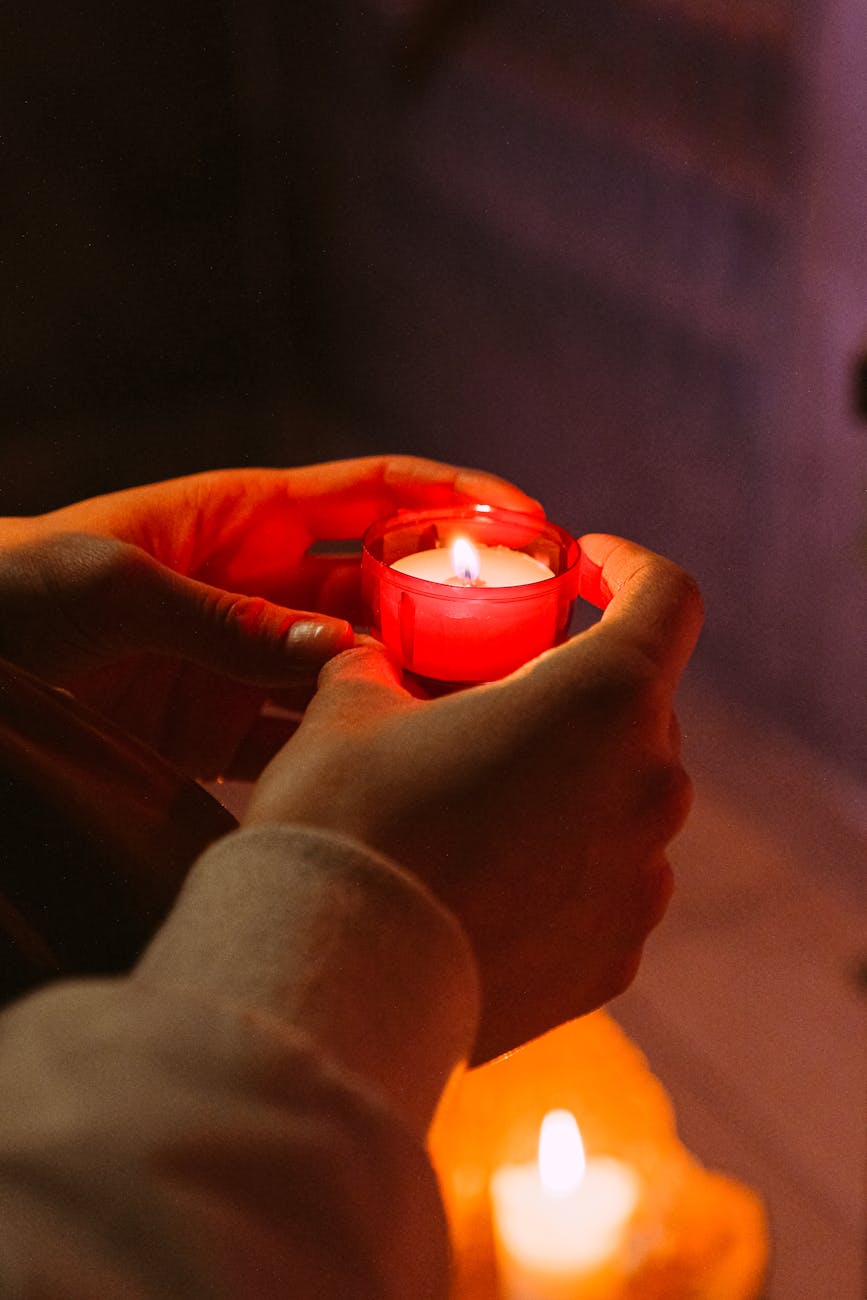
    Faith as a Guiding Light

    There are times in life when logic and even the heart’s wisdom may feel clouded, especially during challenges. This is where faith becomes essential. Faith, particularly a deep love for God, acts as a light that cuts through the fog of uncertainty. It gives us strength, comfort, and direction, reminding us that we are never alone on our journey. This chapter delves into the role of faith as an unwavering guide, one that provides hope when all else seems uncertain.

    Story: Leila’s Strength Through Faith

    Leila was someone who had always believed in a higher purpose, but it wasn’t until she faced a personal crisis that her faith was truly tested. After the unexpected loss of her father, Leila found herself overwhelmed by grief and unable to make sense of the world around her. The logical part of her mind struggled to understand why such a loss had happened, and even her heart felt too heavy to guide her.

    During those difficult days, Leila found herself returning to a simple practice: prayer. Each morning, she would sit quietly, letting her thoughts fade and her connection to God strengthen. At first, she didn’t notice any change. But over time, as she kept up her prayers, she began to feel a gentle peace take root within her heart.

    Her grief didn’t disappear, but her faith reminded her that she wasn’t alone, that her father was now in God’s hands, and that she would find the strength to carry on. Through this connection, Leila found a renewed sense of purpose. She began to volunteer, offering support to others who were grieving, and found that her pain, while still present, had transformed into a source of compassion.

    Leila’s story teaches us that faith can be an anchor in life’s storms. Her journey shows how turning to God, especially during hardship, can bring peace that logic alone cannot provide.

    Insight: Faith as a Source of Resilience

    Psychologists have found that faith often serves as a powerful source of resilience. Research shows that people who rely on spiritual practices, such as prayer or meditation, are better able to cope with stress and uncertainty. Faith provides a sense of purpose, which acts as a buffer against despair and gives individuals the strength to move forward.

    The Holy Quran speaks to this enduring strength, encouraging believers to trust in God’s wisdom. “And whoever puts their trust in Allah, He is sufficient for him” (65:3). This verse offers a reminder that faith can carry us when we feel we have nothing left to give.

    Reflection: Cultivating Faith in Daily Life

    Building faith isn’t only for times of crisis; it’s a practice we can nurture daily. By spending time in reflection, prayer, or other spiritual practices, we reinforce our connection to a higher purpose. These moments create a sense of calm that stays with us, acting as a foundation even when challenges arise.

    Faith reminds us that there’s a bigger picture, a plan beyond what we can see or understand. By trusting in this divine guidance, we can approach life’s unknowns with peace and resilience.

    Chapter 4: The Heart and Brain Connection – Ancient Wisdom Meets Modern Science

    This chapter brings in the depth of faith and resilience, grounding the journey in both spirituality and practical insight.

    Bridging Faith and Science:

    For centuries, spiritual traditions have spoken about the heart’s wisdom and its role in guiding our lives. The Quran, as we’ve explored, emphasizes the heart’s power to “see” beyond what our minds can understand. Today, modern science is discovering that the heart is more than just a physical organ; it has its own intelligence and unique connection to the brain. This chapter explores how science is finally catching up with what ancient teachings have always known, shedding light on the profound bond between the heart and mind.

    Story: Maya and Asif – The Friendship of Logic and Intuition

    Maya and Asif had been friends since childhood, but they couldn’t be more different. Maya was logical, a scientist who trusted data and research. Asif, on the other hand, was deeply spiritual, known for following his intuition and often using prayer as a source of guidance.

    One evening, they found themselves in a friendly debate over dinner. Asif spoke about how he makes decisions by tuning into his heart and listening for signs from God, while Maya, somewhat skeptical, argued that decision-making should be based on facts and evidence.

    Determined to prove his point, Asif challenged Maya to try listening to her heart in her upcoming career decision—a tough choice between a higher-paying job and one that aligned more closely with her passion for environmental science. For the first time, Maya took a pause from her logical thinking. She placed her hand over her heart and asked herself what truly mattered.

    In the days that followed, Maya noticed a sense of calm when she considered taking the environmental job. Despite her initial doubts, she accepted it. Months later, she realized it was the most fulfilling decision she had ever made. She admitted to Asif that there was indeed something about listening to her heart that made her choice feel authentic and right.

    Through their friendship, Maya and Asif learned to appreciate each other’s perspectives, discovering that logic and intuition don’t have to be opposites; they can be allies.

    Scientific Insight: The Heart-Brain Connection

    Modern research supports what Asif instinctively knew: the heart has its own “brain” known as the heart-brain axis, a collection of neurons that communicate with the brain in our head. Researchers like Gregg Braden and institutions like the HeartMath Institute have shown that the heart and brain are in constant communication, with the heart sending signals that can influence emotions, decision-making, and even our sense of intuition.

    In fact, the heart sends more information to the brain than the brain sends to the heart, which can affect our moods, mental clarity, and overall sense of well-being. This aligns beautifully with teachings in the Quran, where we read, “Indeed, in that is a reminder for whoever has a heart or who listens while he is present” (Quran 50:37). The verse underscores the idea that true understanding doesn’t just come from hearing or seeing but from an open and receptive heart.

    Reflection: Harmonizing Heart and Mind

    Science and faith both point to a beautiful reality: when we allow our heart and mind to work together, our decisions are wiser, our lives feel more aligned, and we experience a deeper sense of peace. Harmonizing these two centers isn’t about choosing one over the other; it’s about allowing them to guide us in tandem.

    Practical exercises like mindfulness, deep breathing, and heart-focused meditation can help create this balance, strengthening the heart-brain connection. By doing so, we empower both our intellect and intuition, leading us toward choices that feel both wise and genuine.

    Chapter 5

    Trusting Your Inner Guides – Finding Balance in Life

    The Art of Balance

    In a world full of responsibilities, choices, and unexpected twists, balance is our anchor. Our heart, mind, and faith each play vital roles in guiding us, but life’s demands can make it hard to find harmony between them. This chapter explores how we can trust these inner guides to navigate life’s challenges with a sense of peace, clarity, and purpose.

    Story: Sarah’s Path to Inner Balance

    Sarah had always been a high achiever. Her schedule was meticulously planned, from work projects to family commitments and volunteer activities. But one day, she felt a deep weariness that even her routines couldn’t shake. She realized that while she was succeeding on the surface, something was missing beneath it all—a sense of inner peace and fulfillment.

    Seeking a change, Sarah decided to simplify her life and focus on listening to her heart, mind, and faith. She took up meditation, a daily practice of quiet reflection, where she could check in with each part of herself. When making decisions, she’d pause to ask her heart what felt right, her mind what seemed logical, and her faith how she could serve a greater purpose.

    One evening, Sarah faced a difficult choice: whether to take on a high-profile project or prioritize time with her family. Her mind leaned toward the project, but as she took a moment to listen to her heart, she realized that her deepest need was to reconnect with her loved ones. Trusting this decision, she chose to spend time at home, which filled her with a sense of joy and gratitude she hadn’t felt in a long time.

    Sarah’s journey reminds us that balance is a daily practice. By listening to her heart, mind, and faith, she found not only peace but also a path that felt aligned with her true self.

    Insight: Finding Balance Through Inner Reflection

    Studies show that balance is essential for mental and emotional health. Psychologists suggest that checking in with ourselves regularly can reduce stress, improve focus, and lead to better decision-making. Mindfulness, journaling, or simply taking a few quiet moments each day allows us to reflect on our needs, values, and goals.

    Reflection: Practicing Balance in Daily Life

    Finding balance doesn’t mean everything will always go smoothly, but it does mean we’ll have a steadier foundation to handle life’s ups and downs. Here are some ways to start practicing balance in your own life:

    1. Heart Check-In: Begin the day with a moment of gratitude and ask yourself, “What feels most meaningful today?”

    2. Mind Check-In: Write down your top priorities and organize your thoughts. This creates clarity and helps prevent overwhelm.

    3. Faith Check-In: Spend time in prayer, meditation, or reflection, reconnecting with your spiritual values and purpose.

    By trusting each of these inner guides, we can live with a sense of balance, authenticity, and resilience.

    Chapter 6:

    Making It a Daily Practice – Steps to Embrace a Balanced Life

    The Journey of Consistency:

    Living in harmony with our heart, mind, and faith isn’t a one-time decision; it’s a daily commitment. Cultivating a balanced life requires small, steady practices that strengthen our inner guides. This chapter provides practical steps to help make balance a part of your everyday life, allowing you to approach each day with peace, clarity, and purpose.

    Story: Ali’s Morning Routine of Balance

    Ali had always admired people who seemed calm and focused no matter what life threw their way. Curious about how they achieved such calm, he began researching and discovered that the key was daily routines—small practices that grounded them in their inner selves.

    Inspired, Ali decided to create his own routine. Each morning, he set aside 20 minutes just for himself. He began with a few minutes of deep breathing to quiet his mind, then followed with a short prayer, allowing his heart to tune in to gratitude. Finally, he made a list of his intentions for the day, focusing on what felt most important and aligned with his purpose.

    Within a few weeks, Ali noticed changes. He felt more focused at work, less stressed by small challenges, and more connected to the people around him. His simple routine had given him a sense of inner peace that he carried throughout his day.

    Ali’s story shows that consistency doesn’t have to be complicated; even a short practice can lead to lasting changes in how we feel and respond to life.

    Practical Steps to Create Balance Daily

    1. Heart Practice: Morning Gratitude Start each day by reflecting on three things you’re grateful for. This simple practice shifts your focus from stress to appreciation, creating a positive mindset for the day. Consider adding a gratitude journal where you can record these moments.

    2. Mind Practice: Organize and Prioritize Take five minutes each morning to jot down your top priorities. This list helps clear mental clutter and keeps you focused on what truly matters, reducing the feeling of overwhelm.

    3. Faith Practice: Reflection and Prayer Set aside a few moments for spiritual connection, whether through prayer, meditation, or reading something uplifting. This reconnects you with your purpose and reminds you of the bigger picture, offering a sense of peace and guidance.

    4. Evening Reflection: Reconnecting with Your Inner Guides At the end of each day, spend a few minutes reflecting on what went well and where you can improve. Consider asking, “Did I listen to my heart, mind, and faith today?” This reflection helps reinforce your commitment to balance and growth.

    5. Weekly Check-In: Reassess and Rebalance Once a week, review your intentions, goals, and any areas where you feel unbalanced. Make adjustments as needed, honoring the ebb and flow of life. By tuning in regularly, you stay aligned with your evolving needs and values.

    Insight: The Power of Small Steps

    Research in behavioral psychology shows that small, consistent actions are key to forming lasting habits. When we start with small, manageable steps, we’re more likely to stay committed, gradually building a routine that feels natural and fulfilling.

    Reflection: Embracing Patience on the Journey

    Living in balance with our heart, mind, and faith is a journey, not a destination. There may be days when balance feels effortless, and others when it seems elusive. Embracing patience, especially during challenging times, is essential. Trust that every small step is bringing you closer to a life of harmony and peace.

    Chapter 7 Inspiring Others Through Balance – The Ripple Effect of Inner Harmony

    The Power of Leading by Example

    When we live with balance and harmony, it naturally impacts those around us. Just as a stone dropped in water creates ripples, our calm presence and mindful choices encourage others to reflect on their own paths. This chapter explores how cultivating inner balance not only benefits us but also creates a ripple effect, inspiring family, friends, and even strangers to find peace and purpose in their lives.

    Story: Ella’s Journey as a Role Model for Balance

    Ella was known in her community as someone with a warm heart, steady patience, and a calm spirit. Friends often came to her for advice, curious about how she managed to stay so grounded amidst life’s challenges. But Ella’s journey hadn’t always been so smooth. Years earlier, she had struggled with anxiety, feeling overwhelmed by work, family responsibilities, and an endless to-do list.

    It wasn’t until she began to prioritize her own inner balance, practicing daily routines that centered her heart, mind, and faith, that her life began to transform. With each passing day, she grew more mindful, taking time to listen to her heart’s guidance, honor her intellect’s insights, and reconnect with her spiritual beliefs.

    As Ella became more balanced, her friends started noticing her calm demeanor and began asking her about her routines. Inspired, they too began to try small practices, like starting each day with gratitude or taking a few minutes for reflection. Slowly, Ella’s personal journey became a source of inspiration for her friends and family, and together, they began to build a community focused on harmony and inner peace.

    Ella’s story reminds us that by living with balance, we become a source of light and calm in the lives of others. Our inner peace can inspire others to cultivate their own balance, creating a community of support and mutual growth.

    Insight: The Science of Social Influence

    Studies on social influence suggest that behaviors and attitudes can be contagious. When we live with inner peace and resilience, we indirectly encourage those around us to explore similar practices. Research shows that individuals who exhibit calmness, patience, and mindfulness are often seen as role models, motivating others to adopt similar habits.

    Reflection: Ways to Inspire Others

    1. Lead by Example
    The best way to inspire others is to be a living example of the peace and balance you wish to see. People are often drawn to authenticity and can sense when someone is truly aligned with their inner values.

    2. Share Your Journey, Not Perfection
    Sharing your journey, including the challenges and lessons, makes your experience relatable. It reminds others that balance is a process, one that’s accessible to anyone willing to try.

    3. Encourage Without Forcing
    Inspire by inviting others to explore balance at their own pace. Sometimes, a gentle suggestion to try mindfulness or a simple gratitude practice can make a big difference without feeling like pressure.

    4. Be a Source of Positivity and Encouragement
    Simple acts of kindness, active listening, and positive affirmations can help lift the spirits of those around you. Your balanced energy can create a safe space for others to reflect and grow.

    5. Support a Community of Growth
    Building a community, whether online or offline, allows people to support and learn from one another. By fostering a group that values mindfulness, compassion, and peace, you can create an environment where everyone feels encouraged to seek balance.

    Reflection: The Legacy of Inner Balance

    When we cultivate inner balance, we leave behind a legacy of peace, understanding, and compassion. Whether through small interactions, family traditions, or community efforts, our presence becomes a positive force that outlasts us, inspiring others to lead fulfilling, meaningful lives.

    As we conclude, remember that balance is a lifelong journey—a gentle dance between heart, mind, and faith. By committing to this journey, we not only improve our own lives but also make a positive impact on the world around us, one ripple at a time.

    Conclusion: Embracing the Journey of Balance

    As we reflect on this journey together, it’s clear that the quest for balance is a universal theme woven into the fabric of our lives. Our heart, mind, and faith are intertwined guides, leading us through the complexities of life. When we choose to listen to these inner voices, we open ourselves to a deeper understanding of ourselves and the world around us.

    We’ve learned that:

    1. Listening to the Heart: Our heart holds the wisdom of our true desires and values. By tuning in, we can make decisions that resonate with our authentic selves, fostering fulfillment and joy.

    2. Trusting the Mind: Our intellect offers clarity and reasoning. Balancing our emotional responses with logical thinking enables us to navigate challenges effectively, paving the way for wise decisions.

    3. Honoring Faith: Our spiritual beliefs provide guidance and purpose, reminding us of the bigger picture. Connecting with our faith nurtures our resilience, helping us find strength in times of uncertainty.

    4. Practicing Daily Balance: Small, consistent actions create the foundation for a balanced life. By incorporating heart, mind, and faith practices into our daily routines, we cultivate a sense of peace that enriches our lives and those around us.

    5. Inspiring Others: When we embody balance, we become beacons of light for others. Our journey can inspire friends, family, and communities to explore their paths toward inner harmony, creating a ripple effect of positivity and growth.

    As you embark on or continue your journey toward balance, remember that it is a process filled with both challenges and rewards. Embrace each moment, be patient with yourself, and celebrate the small victories along the way. By nurturing your heart, mind, and faith, you contribute to a world that thrives on compassion, understanding, and connection.

    In closing, let us carry forward the words of the Quran: “Indeed, in that is a reminder for whoever has a heart or who listens while he is present” (Quran 50:37). May we all strive to listen deeply, live authentically, and inspire others through the beautiful journey of balance.

    Final Thoughts: Your Journey Awaits

    Every day is an opportunity to deepen your connection with yourself and others. The path of balance awaits you—step forward with confidence and curiosity, knowing that you have the power to create harmony within and inspire those around you.

    –   #ChoitalykRuman  10/2872024

      #ummeymiah

  • The Sweet Taste of Inner Peace

    In our fast-paced world, the mind often resembles a restless ocean, its waves constantly crashing with thoughts and emotions, stirred up by the winds of daily stress, expectations, and distractions. It’s easy to get swept away in this storm, feeling overwhelmed by the noise of life’s relentless activity. Yet, beneath this turbulence, there lies a deeper stillness, a place where true peace resides. But how do we reach it?

    Slowing the Winds of the Mind

    When we begin to slow the activity of our minds, something remarkable happens. Just like an ocean calms when the wind dies down, our thoughts start to settle. The waves of rushing ideas, worries, and to-do lists gradually soften, and in their place, we experience a quieter, more reflective state. This shift doesn’t come all at once. It happens in moments—small, almost imperceptible pauses between thoughts. But these pauses are the doorway to inner peace.

    It is in these quieter moments that we experience a different way of being. No longer pulled in a dozen directions by the demands of life, we become more present, more connected to the here and now. In these moments, we get our first glimpse of inner peace. It’s like tasting something sweet for the very first time—delicate and unfamiliar, but unmistakable in its purity.

    The Power of Stillness

    Lao Tzu once said, “To the mind that is still, the whole universe surrenders.” This quote speaks to the power of stillness. When the mind is quiet, we tap into something greater than ourselves, something beyond the chattering of our everyday thoughts. In this stillness, we are no longer prisoners of our restless minds; instead, we become observers of our thoughts. This shift in awareness allows us to discover the peace that has always been there, waiting patiently beneath the surface of our busy lives.

    Stillness doesn’t mean inactivity or retreating from the world. Rather, it is about cultivating a state of calm awareness, even in the midst of life’s demands. When we access this stillness, we experience life more fully, with greater clarity and presence. We are no longer reacting impulsively to every thought or situation. Instead, we respond from a place of inner calm, grounded in a deep sense of peace.

    Practicing Mindfulness to Access Peace

    Achieving this level of stillness takes practice, but it is available to all of us. One of the most effective ways to quiet the mind is through mindfulness. Mindfulness is the practice of bringing our full attention to the present moment, whether through focusing on our breath, observing our thoughts without judgment, or simply being aware of our surroundings.

    Through mindfulness, we begin to slow the winds of our mind. We become more aware of the constant flow of thoughts, yet we no longer feel the need to chase or control them. As the noise of our thoughts fades, the sweetness of inner peace becomes clearer and more tangible.

    Jon Kabat-Zinn, a pioneer of mindfulness in the West, beautifully captured this when he said, “You can’t stop the waves, but you can learn to surf.” This speaks to the heart of mindfulness. Life will always bring its challenges and emotional waves, but by cultivating awareness and inner calm, we learn to ride these waves with grace and balance.

    Peace is Within Reach

    It’s important to understand that peace is not the absence of challenges or discomfort. Life will continue to unfold with its highs and lows, but when we learn to quiet the mind, we cultivate a new way of approaching these experiences. Instead of being overwhelmed by every twist and turn, we can meet life with a steady heart and a calm mind.

    The sweet taste of inner peace is not a distant dream or a rare gift. It’s something that each of us can experience, right here and now. It begins with the simple act of slowing down, taking a deep breath, and becoming present to the moment. As we continue to practice mindfulness, we deepen our connection to this peace, allowing it to become a guiding presence in our lives.

    So, the next time you feel your mind racing or your thoughts rushing like waves on a windy day, remember that beneath that activity lies a wellspring of peace. Take a moment to pause, to breathe, and to listen to the stillness within. You might just find that the sweet taste of inner peace is closer than you ever imagined.

    • #ChoitalykRuman
    • #UmmeyMiah
  • The Higher Mind: A Bridge to Inner Wisdom

    We often hear the term “Higher Mind,” but what does it truly mean? The Higher Mind is that deeper part of ourselves that embodies wisdom, self-awareness, and inner strength. It’s the guiding voice that helps us think beyond the present moment, making decisions that align with our core values, morals, and long-term goals. It’s the source of clarity that empowers us to live with purpose and intention.

    This aspect of ourselves is deeply connected to the soul. Think of the Higher Mind as a bridge—a connection between the ego, or “lower mind,” and the spirit. While the ego helps us navigate the material world, the Higher Mind assists us in exploring realms beyond the physical.

    The ego operates through a lens of limitation, seeing the world and others as separate from ourselves. It interprets life through our personal beliefs and perceived limitations. In contrast, the Higher Mind views reality through a lens of unity and infinite possibility.

    When we look through the ego’s perspective, we often see the world and people as divided—unequal, separated by space and circumstances. But the Higher Mind sees things differently. It recognizes that everything is made up of energy, from physical objects to the air we breathe. What the ego perceives as empty space is actually energy, and this energy connects everything.

    Even our thoughts are composed of energy, vibrating at different frequencies. The Higher Mind sees thoughts and physical objects as intertwined, both made from the same substance—energy, just vibrating at different rates. Every thought, every object has its own unique frequency, but they are all fundamentally part of the same energetic whole.

    By tuning into the Higher Mind, we open ourselves to this broader perspective, moving beyond the ego’s limitations to experience the deeper connections that unite us with everything around us.

    Examples of Ego vs. Higher Mind

    Consider how we experience conflict with others. When operating from the ego, we often feel hurt, defensive, or angry. The ego views the disagreement as a personal attack, reinforcing the idea of separation between “me” and “them.” However, when we engage the Higher Mind, we see beyond the surface. We begin to understand the other person’s emotions, motivations, and perspectives, recognizing that we are all connected by a shared humanity. In this state, we approach conflict with compassion, seeking understanding instead of division.

    Another example can be found in decision-making. The ego tends to focus on immediate, self-centered desires. Imagine someone is offered a promotion at work that comes with more money but also more stress and longer hours. The ego might jump at the chance because it values status and material gain. However, the Higher Mind might pause to consider the long-term effects on well-being and relationships, guiding the person to make a decision that aligns with their values and ultimate happiness, rather than short-term rewards.

    In terms of creativity, the ego often stifles ideas with fear of judgment or failure. A person may have a strong desire to start a new project but stops themselves because the ego fears ridicule or rejection. The Higher Mind, however, sees creative expression as an unfolding of one’s true self and encourages the person to take action without worrying about external validation. It allows ideas to flow freely, trusting in the process rather than being attached to the outcome.

    Finally, think about how we perceive success. From an ego-driven viewpoint, success is often tied to external achievements—money, recognition, or titles. But the Higher Mind understands that true success is internal. It’s about personal growth, fulfillment, and living in alignment with our deeper purpose. This shift in perspective allows us to find peace and contentment regardless of external circumstances, as we realize that success is a state of being rather than something to attain.

    By learning to tap into the Higher Mind more frequently, we can navigate life with a sense of unity, purpose, and clarity, free from the limitations imposed by the ego. This shift in perception transforms how we interact with the world, leading to more meaningful and fulfilling experiences.

    ‘#ChoitalykRuman #ummeymiah

  • You Were Born to Make a Difference: A Journey to Overcoming Limitations and Embracing Purpose

    You were born to make a difference in the world. You were not designed to stand on the sidelines of life’s drama, watching from afar as others write their stories and make their mark. You are an active participant in this grand narrative, and your role is essential. It’s easy to lose sight of your purpose when others, whether intentionally or not, cast shadows over your potential. But regardless of what’s been said to degrade or diminish your spirit, your aspirations are still valid, and your journey is far from over. You are not a flaw; the past is gone, and the future is still within reach.

    The Story of Jamila: A Life Transformed

    To explore this idea, let’s dive into a fictional character’s life—a young woman named Jamila, who serves as a symbol for all of us. Jamila was born in a small, vibrant town surrounded by lush green hills and the constant chatter of life. From a young age, her curiosity about the world was palpable. She would often sit by the window, watching the horizon with eyes full of wonder, imagining the endless possibilities that life could hold. She felt destined for something more. Yet, like many of us, Jamila faced challenges and naysayers who tried to stifle her dreams.

    Growing up, she was always told that her ideas were too grand, that her ambitions were unrealistic for someone “like her.” Her parents loved her but had traditional views about what a woman’s role should be. Her friends, though supportive, often questioned her out-of-the-box thinking, reminding her to be more “practical.” Teachers, in their well-meaning ways, advised her to tone down her dreams to fit a conventional path. Over time, these voices became louder, and Jamila began to doubt herself.

    But deep within her, there remained a spark—a small, flickering light that refused to be extinguished. It was the voice of her true self, the one that knew she was meant to make a difference. Yet, for years, she allowed that voice to be overshadowed by fear, self-doubt, and the need for external validation.

    The Sidelines of Life: Where Many Get Stuck

    Just like Jamila, many people find themselves on the sidelines of life, convinced that they are not meant to play a leading role. Perhaps it’s due to external voices—critics, societal expectations, or past failures—that keep them from stepping into their true purpose. They convince themselves that they are “too much” or “not enough.” Too ambitious, too emotional, too different. Not smart enough, not wealthy enough, not lucky enough.

    These limiting beliefs become like chains, binding them to mediocrity and passivity. Instead of being active participants in their own stories, they become spectators, watching as life passes them by. The problem is that the longer they stay on the sidelines, the more comfortable they become with settling. They convince themselves that this is all they deserve, that their dreams were too far-fetched to begin with.

    But the truth is, none of us were designed to merely observe. We were created to engage, to learn, to grow, and to contribute. Life is not a spectator sport, and every single one of us has a role to play. The challenge is learning to ignore the voices that tell us otherwise and to reclaim our narrative.

    Rising from the Shadows of Doubt

    Let’s return to Jamila’s story. After years of shrinking herself to fit the mold others had created for her, she reached a breaking point. One day, after another dismissive remark from a colleague, she decided that enough was enough. Something in her snapped, but it wasn’t anger or resentment—it was resolve.

    She remembered a quote she had heard long ago: “You were not born to stand on the sidelines of life’s drama.” The words resonated deeply with her. She realized that she had been living in the shadows of others’ opinions, allowing them to define her worth and limit her potential. But no longer.

    She made a promise to herself to stop waiting for permission to pursue her dreams. She began to nurture that small spark within her, feeding it with positive affirmations, setting clear goals, and surrounding herself with people who believed in her vision. It wasn’t an easy journey. There were moments of doubt and fear, moments when she almost reverted back to her old ways. But she pushed through, fueled by the belief that she was capable of more.

    The Power of Aspiration in the Face of Adversity

    Jamila’s story mirrors the struggles we all face when we allow our aspirations to be diminished by negativity. Whether it’s people telling us that we’re not good enough or our own internal critic whispering doubts, it’s easy to lose sight of our potential.

    But the truth is, your aspirations are what set you apart. They are a reflection of your unique gifts and the contribution you’re meant to make in the world. No one else has your exact combination of experiences, talents, and perspectives. Your dreams are valid, and the world needs what you have to offer.

    The road to fulfilling those dreams won’t always be smooth. Like Jamila, you’ll encounter setbacks, moments of self-doubt, and possibly even failure. But failure is not the end—it’s a stepping stone to growth. Every challenge you face is an opportunity to learn and to strengthen your resolve. Remember that adversity is not a signal to give up but a chance to refine your approach and become more resilient.

    Embracing Your Imperfections

    It’s important to recognize that you are not a flaw. One of the most insidious lies we tell ourselves is that our imperfections disqualify us from greatness. We look at our past mistakes, our insecurities, and our weaknesses, and we conclude that we’re not worthy of success or happiness. But what if we reframed our imperfections? What if, instead of seeing them as obstacles, we saw them as part of our unique design?

    Every person who has ever made a difference in the world has had their own set of imperfections. The key is not to eliminate them but to embrace them. Your flaws are not signs of failure; they are proof that you’re human. They give you empathy, understanding, and depth. They make you relatable to others who are struggling with their own challenges.

    The past is gone, but the future is still within reach. Just because you’ve made mistakes or experienced setbacks doesn’t mean you’ve missed your chance. Every new day is an opportunity to start fresh, to take one step closer to your dreams. You are always in control of your destiny, no matter what has happened in the past.

    Moving Forward: A Call to Action

    As you reflect on Jamila’s story, consider your own journey. Are there dreams you’ve set aside because someone told you they were unrealistic? Have you been standing on the sidelines of life, waiting for the right moment or permission to step into your purpose?

    Now is the time to take action. The world needs what only you can offer. You were born to make a difference, and every moment you spend doubting yourself is a moment lost. But it’s never too late to start.

    Here are a few steps to help you move forward:

    1. Acknowledge your unique gifts: Make a list of the talents, skills, and experiences that set you apart. These are the tools you’ll use to make your impact.

    2. Set clear goals: What do you want to achieve? Be specific about your aspirations and break them down into smaller, manageable steps.

    3. Surround yourself with positivity: Distance yourself from people who diminish your dreams and seek out those who encourage and support you. Positive environments foster growth.

    4. Embrace failure as part of the process: Don’t be afraid to make mistakes. Every setback is an opportunity to learn and improve. Keep pushing forward.

    5. Be patient with yourself: Growth takes time. Celebrate your progress, no matter how small, and trust that you’re on the right path.

    The Ripple Effect of Your Purpose

    When you embrace your role as an active participant in life, you not only change your own story—you impact those around you. Like a stone thrown into a pond, your actions create ripples that extend far beyond what you can see. You may never fully understand the impact you have, but rest assured that by pursuing your dreams and living authentically, you inspire others to do the same.

    Just as Jamila’s resolve inspired those in her community to break free from their own limitations, your courage has the potential to spark change in the lives of others. This is how real, lasting change happens—not through grand gestures or fame, but through individuals who choose to live with purpose, one day at a time.

    Conclusion: You Were Born for This

    You were born to make a difference. You are not a flaw; you are a masterpiece in progress. The past is gone, but the future is still within reach. Don’t let anyone or anything hold you back from your purpose. Remember that life is not a spectator sport. You were meant to be in the arena, actively shaping your story and contributing to the world.

    Take a deep breath, embrace your unique path, and step boldly into your future. You were born for this.

    – #ChoitalykRuman #motivationalquote #ummeymiah #motivationalquotes

    Photo by : Ingrid Jean creation.

  • Returning to the Purity of the Soul: A Journey Beyond Conditioning

    The Story of Maya: Uncovering the Soul’s Innocence

    Maya was a curious, wide-eyed child who loved nothing more than wandering through the fields behind her home. Every evening, she would sit by the river, watching the water flow and listening to the birds sing. The world was her playground, and she believed in the magic of every moment. Her heart was light, and her laughter echoed through the air like a song of joy.

    As Maya grew older, things changed. Her once-wild curiosity was tamed by the rules of school, the expectations of society, and the pressure to “fit in.” Slowly, the world’s conditioning crept into her mind. People told her that life wasn’t about playing by the river but about succeeding in the “real world.” She was taught to compete, to compare herself to others, and to suppress her natural innocence.

    By the time she reached adulthood, Maya had become someone entirely different from the joyful child she once was. Her mind was heavy with the weight of societal beliefs—what she should do, who she should be, and how she should act. The spark in her eyes had dimmed, and she felt lost, unable to connect with the deeper essence of who she truly was.

    One day, after years of chasing success and validation from others, Maya found herself standing by that same river she used to visit as a child. She hadn’t been there in years, and the sight of the flowing water stirred something deep inside her. The sound of the rushing river seemed to whisper a truth she had forgotten.

    As Maya stood there, memories of her younger self came flooding back—how she used to sit by this very river, feeling free, open, and in touch with something far greater than herself. She realized that while her mind had been conditioned by the world, her soul had always remained pure. It had been patiently waiting for her to remember.

    Maya sat by the river and closed her eyes. For the first time in years, she let go of all the thoughts racing through her mind. She stopped listening to the voices of judgment and expectation that had filled her head for so long. Instead, she focused on the silence within, the stillness where her soul resided. In that moment, Maya felt a sense of peace she hadn’t known in years.

    She understood then that the soul never changes. It is not affected by the world’s conditioning. It remains as innocent and pure as the day we are born. The only thing that changes is our mind, which gets caught up in the complexities of life. But by quieting the mind and turning inward, we can reconnect with the soul’s purity.

    Maya left the river that day with a newfound understanding: The soul is not bound by the beliefs and conditioning we learn from the world. It is timeless, free, and filled with love. The journey back to the soul is not about escaping the world, but about realizing that beyond the noise of the mind, there is an eternal purity within each of us.

    A Return to Innocence

    Maya’s story is a reflection of what many of us experience in life. As we grow, we become conditioned by the world around us. Our minds get filled with expectations, rules, and beliefs that often disconnect us from the truth of who we really are. But like Maya, we all have the ability to return to our soul’s innocence.

    The soul doesn’t know conditioning. It exists beyond the constraints of time and space, untouched by the beliefs we gather throughout life. No matter what we go through, the soul remains pure. It is up to us to remember this truth and to reconnect with the deeper essence within.

    By letting go of the noise in our minds and embracing the stillness of the soul, we can experience a sense of peace, love, and clarity that the world cannot offer. The journey inward is a journey back to our original nature—one that is free, unconditioned, and filled with divine love.

    As we move through life, it’s important to remember that our mind may be shaped by the world, but our soul remains unchanged. In every moment, we have the choice to listen to the mind or to return to the purity of our soul.

    A Reflection for Your Journey

    The next time you feel overwhelmed by the world’s expectations or the conditioning of your mind, pause for a moment. Close your eyes and breathe deeply. Turn your attention inward and ask yourself: “Am I listening to my mind, or am I connected to the purity of my soul?” In that stillness, you will find that your soul is always waiting for you—untouched, innocent, and filled with infinite love.

    • #ChoitalykRuman (URM)
  • The Day You Conquer the Storm Within

    Photo artist  : Aiko Sakamoto

    Imagine you are standing at the foot of a great mountain, staring up at its towering peak. The path to the top is steep, winding, and fraught with challenges. Every step you take is a test—not of your physical strength, but of your inner resolve. The wind howls, trying to pull you back, and around you, voices rise in a chaotic chorus of criticism, judgments, and provocation. Yet, you keep climbing.

    One day, you encounter a storm—the kind that hits you unexpectedly, like an argument with a loved one, a difficult colleague, or a situation that threatens to unravel your peace. In that moment, your instinct is to respond, to defend yourself, to react. But something deep inside holds you back. You take a deep breath. You pause.

    And then it happens: you stay calm.

    Your silence, instead of being a sign of weakness, becomes your greatest strength. The storm rages on, but you’ve become the eye of the storm—still, centered, unshaken. In that silence, you discover something profound: the power of mastering yourself. The day you manage to stay calm in front of whoever provokes you, when your silence becomes your answer, you have achieved the greatest of victories—domination over your own emotions.

    The journey was never about winning or losing, being right or wrong, or even proving yourself to others. It was about reaching the summit of your own mountain, a place where your mental and emotional well-being take precedence. It’s not about conquering others but about prioritizing yourself, protecting your peace, and nurturing your emotional intelligence.

    Look around. Observe, but do not judge. You’ll see the weight others carry—their unhappiness, their insecurities, their need to live through the lives of others. And you’ll realize that as you climb higher, those burdens no longer have power over you. The more you love yourself, the less you care about what others project onto you. The higher you climb, the more focused you become on your own journey, your growth, and your inner peace.

    This is your mountain to conquer, and when you reach the top, you’ll realize that the greatest victory was never about defeating the storm outside—but the one within.

    #ChoitalykRuman

    #UmmeyMiah

  • Accepting Change: See the Elegant in the Unpredictability of Life

    Life has a way of testing us, often in unexpected and challenging ways. It’s like a storm that catches you off guard—one moment, you’re enjoying a gentle breeze, and the next, you’re battling fierce winds that seem determined to knock you down. Just when it feels like everything is falling into place, when you finally catch a glimpse of peace and think, “This is it, I’ve found my balance,” life shakes things up again, reminding you that nothing stays the same for long.

    We’ve all experienced it—the frustration of taking a step forward only to be pushed two steps back. Life isn’t just about smooth paths and gentle winds; it’s also about rough roads, difficult moments, and harsh lessons that test us to our core. These times can leave us feeling lost, questioning our purpose, and wondering where we truly belong.

    But in the midst of these challenges, I’ve found comfort in a simple truth: change is inevitable. No matter how hard or painful the moment, it will pass. This reminder has become a quiet mantra for me, a grounding thought that keeps me going through life’s uncertainties. It’s a message that when things are tough, they won’t stay that way forever, and that we have the power to adapt, rebuild, and rise stronger.

    This truth applies equally to the good times. When life feels calm and joyful, I’ve learned not to take it for granted. Instead, I remind myself to savor these moments, to embrace them fully, knowing that they, too, are part of life’s ebb and flow. It’s not about living in fear of what’s to come, but about deeply appreciating the present—understanding that life’s beauty is often found in its fleeting, precious moments.

    The constancy of change brings a certain kind of beauty. It keeps us humble during the highs and gives us hope during the lows. Much like standing at the edge of an ocean—some days calm, some days wild—the tides remind us that life is always moving, always evolving. And in that movement, we find our own strength to grow, adapt, and transform.

    So, whether you’re in a season of joy or struggle, know that this moment is temporary. It’s not your forever. Life is a journey of unfolding chapters, and each page brings something new. If things are going well, celebrate the now, cherish the joy, and live fully in the moment. And if you’re facing a storm, remember that every storm eventually passes, leaving behind the promise of brighter days.

    Hold on to hope, even when it feels distant. Whether through prayer, faith, or simply trusting the natural rhythm of life, know that you have the strength to endure. You have the resilience to heal, the capacity to love again, and the courage to keep moving forward.

    Change is inevitable, but so is your ability to grow and find joy again. Trust the process, embrace the journey, and keep your heart open to the beauty that’s always waiting around the corner. Life, with all its challenges, also offers constant moments of wonder and grace—you just have to be ready to see them.

    • #ChoitalykRuman
  • Embracing Change: Discovering the Beauty in Life’s Uncertainty”

    Life has a way of testing us, often in unexpected and challenging ways. It’s like a storm that catches you off guard—one moment, you’re enjoying a gentle breeze, and the next, you’re battling fierce winds that seem determined to knock you down. Just when it feels like everything is falling into place, when you finally catch a glimpse of peace and think, “This is it, I’ve found my balance,” life shakes things up again, reminding you that nothing stays the same for long.

    We’ve all experienced it—the frustration of taking a step forward only to be pushed two steps back. Life isn’t just about smooth paths and gentle winds; it’s also about rough roads, difficult moments, and harsh lessons that test us to our core. These times can leave us feeling lost, questioning our purpose, and wondering where we truly belong.

    But in the midst of these challenges, I’ve found comfort in a simple truth: change is inevitable. No matter how hard or painful the moment, it will pass. This reminder has become a quiet mantra for me, a grounding thought that keeps me going through life’s uncertainties. It’s a message that when things are tough, they won’t stay that way forever, and that we have the power to adapt, rebuild, and rise stronger.

    This truth applies equally to the good times. When life feels calm and joyful, I’ve learned not to take it for granted. Instead, I remind myself to savor these moments, to embrace them fully, knowing that they, too, are part of life’s ebb and flow. It’s not about living in fear of what’s to come, but about deeply appreciating the present—understanding that life’s beauty is often found in its fleeting, precious moments.

    The constancy of change brings a certain kind of beauty. It keeps us humble during the highs and gives us hope during the lows. Much like standing at the edge of an ocean—some days calm, some days wild—the tides remind us that life is always moving, always evolving. And in that movement, we find our own strength to grow, adapt, and transform.

    So, whether you’re in a season of joy or struggle, know that this moment is temporary. It’s not your forever. Life is a journey of unfolding chapters, and each page brings something new. If things are going well, celebrate the now, cherish the joy, and live fully in the moment. And if you’re facing a storm, remember that every storm eventually passes, leaving behind the promise of brighter days.

    Hold on to hope, even when it feels distant. Whether through prayer, faith, or simply trusting the natural rhythm of life, know that you have the strength to endure. You have the resilience to heal, the capacity to love again, and the courage to keep moving forward.

    Change is inevitable, but so is your ability to grow and find joy again. Trust the process, embrace the journey, and keep your heart open to the beauty that’s always waiting around the corner. Life, with all its challenges, also offers constant moments of wonder and grace—you just have to be ready to see them.

    • #ChoitalykRuman
  • Embracing the Unpredictable: Finding Beauty in Life’s Constant Changes

    Life has a mysterious, sometimes cruel way of testing our strength, don’t you think? It’s like an unpredictable storm—one moment, you’re walking through a gentle breeze, and the next, you’re hit with winds strong enough to knock you off your feet. There are times when it feels like everything is finally falling into place. You catch glimpses of serenity, of moments where the puzzle pieces of your life seem to fit just right. You think, “Maybe this is it, maybe I’m where I need to be.” But before you can settle into that comfort, life, with its twisted sense of irony, throws you off the edge again.

    We’ve all been there, haven’t we? You take one step forward only to feel like you’ve been thrown two steps back. It’s as if life, in all its vast complexity, delights in reminding us that it’s not all sunshine and butterflies. There are rough roads, harsh winds, and difficult moments—times that test every fiber of your being, leaving you questioning your place in the world.

    But in those dark, challenging moments, when life kicks you while you’re already down, I’ve found solace in a simple truth: “Change is inevitable. Change is constant.” This phrase has become a quiet mantra for me, a whisper that reminds me that nothing—good or bad—lasts forever. When I’m struggling, it’s a reassurance that no matter how bleak things may seem, they will change. There’s always a chance to turn things around, to rise again, to rebuild. It reminds me that I hold some power in shaping my own future, even when everything feels out of control.

    And the same goes for the good times. When life feels bright and things are going my way, I don’t take it for granted. I remind myself that, yes, this too can change. It’s not about expecting the worst, but about appreciating the present for what it is—fleeting, beautiful, and precious. It’s in those moments that I breathe deeply, soak in the joy, and thank the universe for letting me experience the calm.

    You see, there’s a strange beauty in the constancy of change. It keeps us humble when life is easy and gives us hope when it’s not. The ebb and flow of life reminds us to be grateful for the light and resilient through the dark. Imagine standing at the edge of a vast ocean—some days, the waters are calm and clear, and other days, the waves crash against the shore with an unstoppable force. But no matter the state of the ocean, it’s always moving, always changing. And just like the tides, we are always evolving, always moving through the highs and lows.

    So, wherever you are right now, whether you’re riding high on the waves of success or barely keeping your head above water, know this—this moment is temporary. It’s not your forever. It’s just a chapter in the book of your life, and the page will turn. And when it does, a new story will begin.

    If things are good, embrace it with all your heart. Laugh, love, and relish in every moment. Celebrate the now. And if you’re facing a storm, remember that even the fiercest storm eventually runs out of rain. There is always a rainbow waiting beyond the clouds, even if you can’t see it yet. So smile, not because everything is perfect, but because you know it won’t stay imperfect forever.

    Hold on to hope, even when it feels distant. Pray, if that brings you peace, or simply trust in the rhythm of life’s changes. No matter where you find yourself, know that you have the strength to endure. You have the resilience to rise, the heart to love again, and the courage to keep moving forward.

    Change is inevitable, yes, but so is your ability to grow, to heal, and to find joy once more. Trust the process, believe in the journey, and always, always keep your heart open to the beauty of what’s to come. Because life, for all its cruelty and unpredictability, is also a constant source of wonder and grace. You just have to be willing to see it.

    By #ChoitalykRuman 09/26’/2024

  • The Profound Lessons of Loving Deeply: Embracing Growth, Even in Unreciprocated Love

    Love is one of the most powerful forces in the human experience. It can uplift, transform, and even break us open in ways we never thought possible. While love is often celebrated when it’s reciprocated, it’s in the moments of unrequited or unreturned love that we often learn the most profound lessons. These experiences, though painful, are gifts that shape our understanding of ourselves and the world around us.

    The Gift of Unreciprocated Love :

    “I will never, ever regret a moment of loving someone deeply. Even if they didn’t or couldn’t mutually love me back. Especially then. That’s when I grew and learned the most. What a gift. What an absolute gift. It hurt like hell. It sucked utterly. But then? It helped me know my own lovability and true worth even more. It helped me call in the ones who would celebrate life and love with me rather than denigrate, desecrate or reject it. It ultimately helped me be the best, fullest me. Gave me a capacity for true compassion. Broke me open. It basically taught me to love and trust and open even MORE” .can you rewrite expand as an article for blog post . Audience attracted thoughts

    The Gift of Unreciprocated Love

    Loving someone deeply, even when that love is not returned, can be one of the most challenging experiences we face. It’s natural to feel a sense of loss, rejection, or even anger when our feelings are not matched. However, this pain is not without purpose. Unreciprocated love offers us a unique opportunity for growth and self-discovery.

    When we love someone who cannot or does not love us back, we are forced to confront our own expectations, insecurities, and desires. We begin to question our worth, wondering if we are enough or if we are somehow unlovable. But it is in this questioning that we find the answers we truly need.

    “I will never, ever regret a moment of loving someone deeply. Even if they didn’t or couldn’t mutually love me back. Especially then. That’s when I grew and learned the most. What a gift. What an absolute gift. It hurt like hell. It sucked utterly. But then? It helped me know my own lovability and true worth even more. It helped me call in the ones who would celebrate life and love with me rather than denigrate, desecrate or reject it. It ultimately helped me be the best, fullest me. Gave me a capacity for true compassion. Broke me open. It basically taught me to love and trust and open even MORE” .can you rewrite expand as an article for blog post . Audience attracted thoughts

    The Profound Lessons of Loving Deeply: Embracing Growth, Even in Unreciprocated Love:

    Love is one of the most powerful forces in the human experience. It can uplift, transform, and even break us open in ways we never thought possible. While love is often celebrated when it’s reciprocated, it’s in the moments of unrequited or unreturned love that we often learn the most profound lessons. These experiences, though painful, are gifts that shape our understanding of ourselves and the world around us.

    The Gift of Unreciprocated Love

    Loving someone deeply, even when that love is not returned, can be one of the most challenging experiences we face. It’s natural to feel a sense of loss, rejection, or even anger when our feelings are not matched. However, this pain is not without purpose. Unreciprocated love offers us a unique opportunity for growth and self-discovery.

    When we love someone who cannot or does not love us back, we are forced to confront our own expectations, insecurities, and desires. We begin to question our worth, wondering if we are enough or if we are somehow unlovable. But it is in this questioning that we find the answers we truly need.

    Discovering Self-Worth Through Heartbreak

    The journey of unrequited love is a journey inward. It compels us to look beyond the other person and into ourselves. We begin to realize that our worth is not determined by someone else’s ability to love us. Instead, it is defined by our own capacity for love, compassion, and resilience.

    In the depths of heartbreak, we learn that our lovability is inherent. It is not something that can be given or taken away by another person. We come to understand that we are worthy of love simply because we exist. This realization is a profound gift that unrequited love offers us.

    The Strength in Vulnerability

    Loving deeply, even when it is not returned, requires immense courage. It demands that we open our hearts fully, knowing that we may be hurt in the process. But it is this very act of vulnerability that strengthens us.

    Through the pain of unreciprocated love, we build resilience. We learn to endure heartache and disappointment, and we come out the other side stronger and more capable of loving fully. Our capacity for compassion grows as we recognize the shared human experience of love and loss.

    Attracting the Right Kind of Love

    As we grow from the experience of unrequited love, we begin to attract the kind of love that truly honors us. We start to call in people who celebrate us, who see our worth, and who are willing to love us deeply in return. This is not by accident, but by design. As we learn to love and value ourselves, we naturally attract those who will do the same.

    Unreciprocated love teaches us to set boundaries, to recognize red flags, and to prioritize our own well-being. It helps us to understand what we truly want and need in a relationship, and it empowers us to seek out those who are capable of meeting us where we are.

    Embracing the Fullness of Life

    Ultimately, loving deeply, even when it hurts, helps us to become the fullest versions of ourselves. It breaks us open, teaching us to love more freely and to trust more deeply. It expands our capacity for joy, compassion, and connection.

    In the end, the pain of unreciprocated love is a small price to pay for the profound growth it offers. It teaches us to embrace the fullness of life, to open ourselves to new possibilities, and to trust in the journey of love, no matter where it may lead.

    Conclusion: A Gift Wrapped in Pain

    While it may be difficult to see in the moment, unreciprocated love is one of life’s greatest teachers. It challenges us, breaks us open, and ultimately helps us to grow into the best versions of ourselves. The pain we experience is real, but so too is the gift of self-discovery and resilience that comes with it.

    Loving deeply, even when it’s not returned, is a courageous act. It’s a testament to our capacity for love and a reminder that we are worthy of being loved in return. And in the end, it is this love—both for ourselves and others—that will carry us forward into a life filled with meaning, connection, and joy

    #ChoitalykRuman