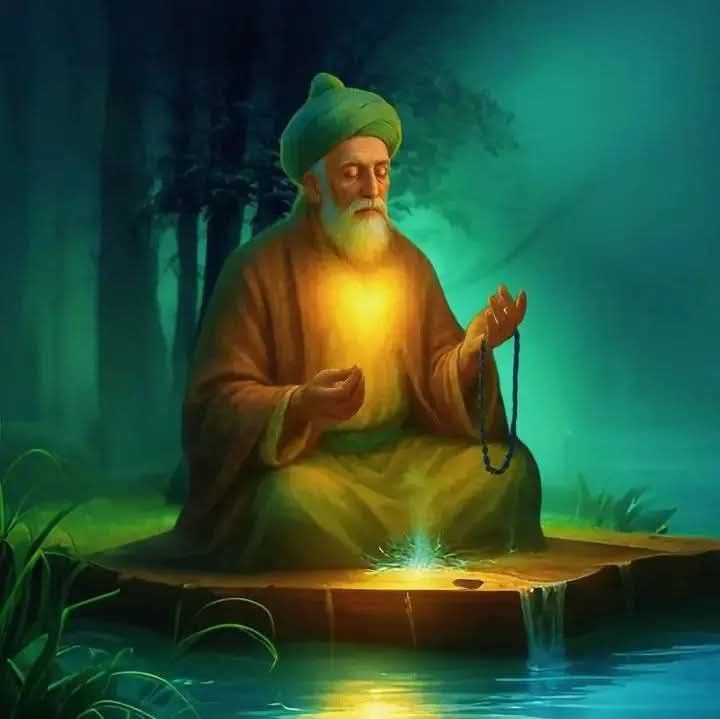
Believe that the world is deeply beautiful. Each morning, awaken with awareness and choose thoughts that uplift your heart. When we focus on what is good, kind, and meaningful, we quietly shape a more compassionate world, starting from within.
It is important to honor every person’s voice and to treat all people with respect. No one should be measured by job titles, appearance, or material wealth. These are temporary forms, not the essence of who we are. At our core, we are spirit, soul, Atma, divine breath, or sacred energy, known by many names across traditions, yet understood by the same truth. Our bodies are vessels for this energy, and the Earth is a place of learning, not a permanent home. We are all travelers here, each playing a unique role for a short time. No soul is higher or lower than another. We are equal, connected, and woven from the same universal energy. In this oneness, there is no separation, only shared existence. May we fully embrace this journey of life with humility and joy. And when our time here gently comes to an end, may we leave behind kindness, wisdom, loving values, and beautiful memories for those who continue the journey after us. I wish you a peaceful and joyful path. May you find success in ways that nourish your soul, offer love without conditions, and remain grateful for the gift of this life. Continue to share positive energy, and even when surrounded by darkness or negativity, choose to heal, uplift, and bring light. In doing so, we quietly help heal the world
There was a moment recently when I found myself obsessing over a small mistake in a presentation I had created. Just a missing comma—nothing that would change the meaning. Still, a part of me wanted to go back, fix it, perfect it. But then I paused and asked myself, Is it really necessary?
That small moment led to a deeper realization. We spend so much of our lives trying to improve things—our work, our appearance, our habits, even our thoughts. While there’s nothing wrong with growth, sometimes the constant drive to “fix” things distracts us from simply being present with what is.
Think about it: How many times have you looked in the mirror and zoomed in on a flaw rather than seeing your whole, radiant self? How often have you replayed a conversation in your mind, wondering if you should have said something different—when in reality, it was just a natural human interaction?
We’re conditioned to strive. To upgrade. To polish every rough edge.
But what if the real growth is not in fixing—but in allowing? What if wisdom lies not in making ourselves perfect, but in loving ourselves through the imperfections?
Self-Improvement vs. Self-Love
There’s a subtle but profound difference between self-improvement and self-love.
Self-improvement often comes from a place that says: “You’re not enough yet—do more, be more.”
Self-love speaks with a different tone: “You’re enough as you are. Grow if you feel inspired, but not because you think you’re broken.”
Real-Life Moments That Teach Us
? At Work Let’s say you’re part of a team project. You spot a small flaw in someone else’s work—something you could point out. But will it improve the outcome meaningfully? Or is it just your inner perfectionist reaching for control? Sometimes, grace means letting it go. Saving your energy for what truly matters.
? At Home You forgot to cook something you promised. You feel bad. Instead of spiraling into guilt or self-blame, you take a breath and say, “It’s okay. I forgot. I’m still a loving human being.” Then you make tea and laugh about it. That’s self-love in motion.
? In Parenting or Relationships You may catch yourself trying to “fix” your loved ones—improving their mindset, correcting their tone, guiding their path. But sometimes, the deepest form of love is acceptance. Letting them be on their own journey, while offering quiet support.
Letting Things Be Doesn’t Mean Giving Up
This doesn’t mean we stop growing. It means we grow from a different place—from peace, not pressure. We begin to trust that life itself is always guiding us. That every challenge, every trigger, every mistake is already a built-in opportunity to evolve.
Instead of chasing self-improvement like a full-time job, we soften into self-awareness. We observe, we reflect, and we choose what feels authentic. Some things we may still want to change—but not because we feel unworthy, rather because we love ourselves enough to grow gently.
The Flow of Spirit-Mind Living
There’s a different kind of awareness available to us when we live from our spirit mind—that quiet, knowing part of us that sees beauty even in the cracks. When we shift from the noise of constant self-fixing to the calm of self-trust, we begin to live more freely, more joyfully.
Life becomes less about performing and more about being. Less about proving and more about loving.
So next time you catch yourself trying to improve something—whether it’s a detail, a moment, or yourself—pause and ask: Is this coming from love or fear? Can I let this be, just for now?
Because sometimes, the most powerful form of growth is allowing yourself to be imperfect, present, and deeply loved—as you are.
Have you ever wondered how your life would change if you truly, deeply loved yourself? Not just in fleeting moments of confidence, but consistently in every corner of your being. What if, instead of critiquing, comparing, or rejecting parts of yourself, you chose love? The truth is, things would be different—beautifully, profoundly different.
When we give love to the broken, neglected, or wounded parts of ourselves, something incredible happens: they begin to heal. It really is that simple. Love is a balm, a restorative force that doesn’t demand perfection or achievement. It simply asks for presence. In that space of loving presence, our inner fractures start to mend, gently and steadily.
Yet, many of us carry burdens of remorse, guilt, or shame. We mistakenly believe these emotions are necessary to prove our sincerity or to earn redemption. But in reality, these heavy emotions have no place in the healing process. They keep us trapped in cycles of self-punishment, blocking the very love we need to break free. Healing comes when we shift our inner gaze from judgment to compassion, from criticism to kindness.
When we begin to look at ourselves and the world with love, acceptance, and compassion, everything changes. Our perception softens. We stop seeing ourselves as problems to fix and start recognizing the wholeness that was always there, waiting to be acknowledged. The world itself takes on a different hue, and what once felt harsh or overwhelming becomes manageable, even beautiful.
At the heart of this transformation lies a vital question: How do you perceive yourself? This is the key. You won’t find peace, fulfillment, or joy if you’re constantly searching outside yourself, hoping to stumble upon the missing piece. As long as you believe that love or worth is something to be earned or proven, you’ll keep chasing shadows. But if you choose love—love for yourself, exactly as you are in this moment—then love chooses you back. Love flows in and fills the spaces you once thought were unworthy.
Instead of striving to be good enough, perfect, coordinated, or wise, try something radical: love the parts of yourself you usually reject. Love your awkwardness, your doubts, your flaws, your quirks. Give those neglected parts your tender attention. This is how you complete yourself. This is how you stop falling into the traps set by the false self—the self that believes worthiness comes from external validation or achievements.
Here’s the secret: the qualities you dislike about yourself aren’t actually who you truly are. They are passing expressions, conditioned responses, misunderstood aspects shaped by experience. They are not your essence. When you embrace this truth, it becomes much easier to return to your authentic state of love. You realize you don’t need to fight, hide, or deny these parts. You only need to love them.
For example, imagine standing in front of the mirror one morning, feeling disappointed by the reflection staring back at you. Maybe you see wrinkles, extra weight, or tired eyes. But instead of sighing or criticizing, you softly smile and say, “I love you. I love every line, every curve, every imperfection.” It might feel strange at first. But as you repeat this practice, day by day, you notice something shifting. The critical voice grows quieter. The burden of needing to “fix” yourself lightens. You begin to carry yourself differently—with more grace, more confidence, more warmth. And that shift ripples outward: your relationships feel more authentic, your work feels more inspired, your days feel more peaceful.
So reach deep inside. Let out all the love that’s already there. It’s been waiting patiently, buried beneath layers of self-judgment and doubt. Let that love rise to the surface. Accept the happiness that wants to find you, without grasping, forcing, or controlling it. Allow it to unfold naturally, like a flower turning toward the sun.
You are already whole. You are already enough. When you love yourself, everything shifts. Your relationships transform. Your outlook expands. Your path becomes clearer. Love opens doors that effort and striving never could.
Things would be different if you loved yourself.
Are you ready to find out just how different they could be?
There is no doubt that the COVID-19 pandemic has shaken the world, filling many hearts with fear and uncertainty. However, rather than allowing worry to consume us, we can choose to channel our energy into something far more meaningful—healing. Our planet, our communities, and even our own inner world are in need of healing now more than ever. Fear weakens us, while faith strengthens us. At this moment, we have the choice to either panic or trust that everything is unfolding according to a higher plan.
This moment in time has given us a unique opportunity: a chance to pause. Instead of dwelling on fear, let’s embrace stillness and use this time to reflect, pray, and send love to Mother Earth. The world moves so fast that we often forget to nurture the very essence of life around us. Now, as we are asked to stay home, let’s use this period wisely—to reconnect with God, to uplift others with our prayers, and to send out healing energy. Each one of us can contribute to a positive shift simply by focusing on love and compassion rather than fear.
Blame will not serve us. Pointing fingers and fueling division will not bring solutions, only more distress. What will truly make a difference is our collective intention to heal and support one another. Let us replace blame with prayer, fear with faith, and doubt with trust. With God, nothing is impossible. If we focus on the good, even in times of crisis, we become part of the healing process rather than the problem. Now is the time to unite, to lift each other up, and to choose hope over despair.
Moreover, this pandemic is a reminder of life’s fragility. It has shown us how interconnected we all are and how important it is to appreciate the little things—breathing fresh air, sharing laughter with loved ones, and feeling the warmth of the sun on our skin. Life is fleeting, a precious gift given to us with each breath we take. Why waste it in fear? Instead, let’s fill our days with gratitude and purpose. Every step we take, every action we perform, can be a dedication to our Creator. True happiness does not come from control over circumstances but from trust in God’s wisdom and the ability to surrender to His divine plan.
So, let us not be afraid. Let us be cautious, yes, but not consumed by fear. Instead, let’s embody courage, faith, and wisdom. This too shall pass, and when it does, may we emerge from it stronger, more compassionate, and more deeply connected to the essence of life itself. Let’s use this time to become more mindful, to nurture our souls, and to strengthen our connection with the Divine. Trust the process, and remember—you are never alone. Even in the darkest times, light is always present for those who seek it.-
Life is a fleeting journey. We enter this world with nothing and eventually leave it behind, but what truly defines us is how we spend the time in between. Each of us is given a unique opportunity to shape our existence, not just for ourselves but for those around us. Our purpose should go beyond mere survival—we should strive to make every moment count by using our intellect, passion, and kindness to uplift others.
The Power of Small Actions
Many people believe that making a difference requires grand gestures, immense wealth, or a large platform. But the truth is, even the smallest acts of kindness can create ripples that extend far beyond what we can see. You don’t have to change the entire world; changing one person’s world is enough. One step at a time, one person at a time, one kind action at a time—that is how true transformation begins.
Being kind doesn’t mean you have to sacrifice everything or take on the burdens of the world. It simply means opening your heart to others, recognizing their struggles, and offering whatever support you can. Sometimes, it’s a helping hand, a word of encouragement, or simply showing up for someone in need.
Ways to Make a Meaningful Impact
There are countless ways to help others and add meaning to your own life. Here are a few simple but profound ways to make a difference:
Help Someone Rebuild Financial Stability – Many people struggle to make ends meet, not because they lack effort, but because they lack knowledge or opportunities. If you have financial wisdom, share it. Teach someone how to save, budget, or invest wisely. A simple conversation about money management could help them regain control over their finances.
Restore Someone’s Dignity – People who have fallen on hard times often feel invisible or ashamed. A kind word, a respectful interaction, or simply treating them with the dignity they deserve can mean the world. Remind them of their worth by showing them kindness without judgment.
Guide Others Toward the Right Path – Sometimes, people lose their way, whether due to hardship, negative influences, or lack of guidance. If you have the wisdom to share, do so with love. Offer advice, mentor someone, or be a role model. You never know how much one piece of guidance can change the course of someone’s life.
Encourage Love Over Hate – The world is full of division, yet love remains the most powerful force for change. Instead of fueling negativity, be the person who encourages others to choose love, compassion, and understanding. Whether it’s diffusing an argument, offering a different perspective, or simply showing kindness to someone with opposing views, your actions can inspire change.
Help Someone Rebuild Their Life – Life’s hardships—such as job loss, divorce, or unexpected tragedies—can leave people feeling lost. If you can, be the person who helps them stand back up. Offer guidance, listen with an open heart, and remind them that they are not alone.
Create Opportunities for Others – One of the most powerful ways to help someone is to provide them with opportunities to grow. If you are in a position to offer a job, recommend someone for a role, or teach them a new skill, do so. Empowering someone to support their family and build a future for themselves is one of the greatest gifts you can give.
Every Act of Kindness Matters
In a world where many are struggling—whether financially, emotionally, or spiritually—your kindness could be the beacon of hope that changes a life. It doesn’t take much. A kind word. A small favor. A moment of understanding. These are the things that truly matter.
You don’t have to be wealthy, famous, or powerful to make a difference. You just need a heart that cares and the willingness to act. Even the smallest ripple of kindness can create waves of change.
So, as you go through life, ask yourself: How can I make this moment matter? What small act of kindness can I do today? The impact of your actions will live on, far beyond what you may ever see.
Let’s create a world where kindness is the norm, love is the foundation, and every moment is spent making a difference.
Have you ever felt empty? Like something’s missing, even when everything in your life seems “fine”? It’s a feeling most of us try to escape. We confuse emptiness with loneliness or a sense of not being enough, so we throw ourselves into distractions—staying busy, overachieving, or chasing things that we think will fill the gap.
But here’s something I’ve learned: the more we try to fill that emptiness, the deeper the void seems to grow.
The truth is, emptiness isn’t something to fear. It isn’t a sign of lack or failure. It’s space—pure, open, limitless space. And that space holds infinite possibilities.
Think of it this way: something that is infinite has no form. It’s formless, boundless, and cannot be seen or measured. To the mind, it feels like “nothing.” But within that nothingness lies everything.
When you stop running from the emptiness and start sitting with it—really being with it—you begin to notice something magical. The emptiness stops feeling like a void. Instead, it becomes a source of peace, clarity, and freedom.
Why We Fear Emptiness
For most of us, emptiness feels uncomfortable because it’s unfamiliar. It’s quiet. It doesn’t shout answers or offer instant gratification. We’re conditioned to believe we must always “do” something or “be” someone. Sitting with emptiness feels like stepping into the unknown, and the unknown can be scary.
But what if we didn’t resist it?
Imagine emptiness as a blank canvas. There’s no pressure to paint it immediately—just the freedom to create, explore, or simply be. When you let go of the need to fill every corner of your life, you open yourself to something far greater: the realization that you are already complete.
Learning to Embrace the Space
1. Allow Stillness: Instead of avoiding quiet moments, welcome them. Turn off the noise—both around you and within you—and sit with what arises. You’ll find that emptiness isn’t empty at all.
2. Stop Seeking “More”: Recognize that you don’t need to chase external things to feel whole. Sometimes the greatest peace comes from doing less and allowing space for life to unfold naturally.
3. Trust the Unknown: Life is infinite. When you stop trying to fill every moment, you begin to see the limitless possibilities around and within you.
Becoming One with Emptiness
When you embrace emptiness, you don’t lose yourself—you find yourself. You stop trying to have infinite possibilities and realize that you are the infinite. You are the space where peace, creativity, and life flow effortlessly.
So, the next time you feel empty, don’t run from it. Pause. Breathe. And remember: emptiness isn’t a void. It’s the doorway to everything you’ve been searching for.
Within the emptiness lies the fullness of life.
We often find ourselves running away from the feeling of emptiness—something we perceive as loneliness, inadequacy, or a void that needs to be filled. For many, this emptiness is uncomfortable and unsettling. In an attempt to avoid it, we busy ourselves with distractions—endless tasks, social engagements, or self-improvement projects—hoping to “fill” the emptiness. But here’s the paradox: the more we try to fill the emptiness, the larger and more consuming it appears.What if emptiness isn’t the problem but the solution?Emptiness, when truly understood, is not a lack—it’s a space of infinite possibility. Think about this for a moment: something that is infinite cannot be bound by form, shape, or definition. The infinite appears empty simply because it is beyond what the mind can grasp or label. When we resist this emptiness, we unknowingly resist our greatest potential.Reframing EmptinessEmptiness is often mistaken for “nothingness,” but what is nothingness really? It’s the absence of limitation. It’s a formless space that can hold everything. To be empty is to be free—free from expectations, attachments, and the weight of external validation.
When you stop viewing emptiness as a void to fill and instead embrace it as an opening for possibility, it transforms. It becomes a sacred space for clarity, creativity, and peace to arise.The Power of Being One with EmptinessWhat happens when you stop resisting and allow yourself to be with emptiness? A profound shift occurs. Instead of “having” infinite possibilities like possessions to acquire, you become infinite. You become the space where creativity flows effortlessly, where peace replaces restlessness, and where the search for “more” ends because you realize you already are.You are not incomplete because you feel empty; you are limitless because you have space to create, experience, and expand.Practical Steps to Embrace Emptiness1. Sit with Stillness: Take time each day to be still—no distractions, no agenda. Allow yourself to feel the emptiness without judgment. Observe it, and you’ll realize it’s not something to fear but something to embrace.2. Reframe Your Mindset: Shift your perspective. Emptiness doesn’t mean “lacking”; it means open. Like a blank canvas, it holds potential for anything.3. Let Go of the Need to Fill: Notice your urge to constantly “do” or “add.” Instead, let things be as they are. Growth doesn’t always come from doing more; sometimes, it comes from allowing space to unfold.4. Trust the Infinite: Recognize that what seems like emptiness is the doorway to infinite possibilities. When you stop resisting, you align with the flow of life and its abundance.Becoming the InfiniteWhen you embrace emptiness, you don’t lose yourself—you discover yourself. You move beyond the mind’s limitations and connect with the deeper truth of who you are: boundless, limitless, and infinite.So, my friend, don’t fear emptiness. Sit with it, lean into it, and allow it to show you the fullness you’ve been searching for. For in emptiness, you will find everything.
“Emptiness is not the absence of life; it is where life begins.
When life deals us profound trauma, it’s common to hear advice like, “You need to forgive to move on.” But let’s be honest—how can you even think about forgiveness when the pain still feels raw and overwhelming? It’s not that forgiveness doesn’t have value, but when you’ve been deeply hurt, it shouldn’t be the first step. Healing must come first.
Forgiveness is often seen as the ultimate goal, but expecting it too soon can feel like putting a bandage on a wound that hasn’t been cleaned. Healing after trauma isn’t about rushing to forgive; it’s about tending to your pain, understanding what you’ve been through, and creating a life that feels safe, loving, and whole again.
Sarah’s Story
Let me share a story to show how this works in real life.
Sarah was a vibrant, outgoing woman who loved deeply and trusted fully. But one day, her world came crashing down when her closest friend, Emily, betrayed her trust in the most painful way. Emily had spread deeply personal information about Sarah to others, leading to humiliation and shattered relationships. Sarah felt blindsided, hurt, and hollow.
At first, everyone told Sarah she needed to forgive Emily and move on. “It’s the right thing to do,” they said. But Sarah wasn’t ready. Every time she thought about forgiveness, it felt like she was being asked to pretend the pain didn’t exist. So instead, she chose a different path: healing.
Sarah began focusing on herself. She joined a local yoga group where she found a sense of peace and community. She started journaling, pouring her thoughts and emotions onto the page. And slowly, she began reconnecting with new people who valued her for who she was.
One day, while walking in the park, Sarah noticed something remarkable. The bitterness and anger she’d been carrying toward Emily weren’t as heavy anymore. In its place was a sense of calm. It wasn’t that Sarah excused what Emily had done, but she no longer felt trapped by the betrayal. Forgiveness, she realized, had found her—not because she forced it but because her heart had begun to heal.
Why Healing Matters First
Like Sarah, when someone deeply hurts us, it can shake our sense of self, safety, and trust. Healing isn’t just about moving past the event—it’s about tending to the emotional wounds it leaves behind. These scars can impact how we see ourselves and the world. Healing is about gently working through those scars and reclaiming your inner strength.
For example, if your trauma left you feeling unloved or unworthy, healing might look like finding people or experiences that remind you of your value. If it left you feeling unsafe, healing might involve building a life where you feel protected and secure.
This process is essential because it’s hard to forgive when you’re still in survival mode. It’s hard to release anger or resentment when you haven’t yet rebuilt the parts of yourself that were hurt. Healing is the foundation upon which forgiveness can stand.
The Power of Opposites
One of the most effective ways to heal is to seek out the opposite of the harm you experienced. If someone’s actions made you feel isolated, surround yourself with love and connection. If their words made you feel small or powerless, take steps to regain your confidence and autonomy.
This doesn’t erase the pain, but it creates balance. It teaches your mind and heart that while the world can be harsh, it can also be kind. You’re reminding yourself that you’re not defined by what happened to you.
When Forgiveness Comes Naturally
As you heal, something remarkable begins to happen. The pain that once felt overwhelming starts to fade. The anger that consumed you might feel less sharp. The resentment might not hold as much weight.
And forgiveness? It often arises naturally—not as an act of will but as a byproduct of your inner peace. When the chaos within you settles, forgiveness can feel less like a task and more like a gift you give to yourself.
Give Yourself Time
Healing isn’t a straight path—it’s more like a winding road with moments of progress and setbacks. And that’s okay. Each step you take toward love, safety, and resolve is a victory.
Remember, forgiveness isn’t a requirement for healing; it’s often a gift that healing brings. So focus on what you need right now—peace, strength, and hope. Like Sarah, you’ll find that the rest will come in its own time.
Your journey is your own, and you have the strength to walk it.
Forgiveness is often misunderstood as something passive, a simple act of letting go. But forgiveness is a powerful, active choice that allows us to transcend negativity and release ourselves from pain. When we forgive, especially those who knowingly or unknowingly hurt us, we don’t condone their actions. Rather, we free ourselves from the weight of resentment and regain control over our peace of mind. In doing so, we shift our focus away from seeking revenge or harboring anger and move toward a place of inner contentment and spiritual growth.
Imagine carrying around a heavy load of anger and bitterness. Each time we think of those who have wronged us, the load gets heavier, weighing down our spirit and clouding our thoughts. But when we forgive, we consciously put down that burden. We understand that revenge only keeps us chained to the pain of the past, while forgiveness is the key to freedom. This act of release brings immense joy to the heart, a joy that grows when we trust in something greater than ourselves. For many, surrendering this pain to God or the universe brings peace, as we feel supported and held by a power beyond our human understanding.
Those who act out of malice or hatred are often trapped within their own negativity. They live in a cycle of their own creation, one that is not only harmful to others but also to themselves. When we choose not to engage with their negativity—when we refuse to let them dictate our emotional response—we reclaim our power. We become an example of how love, rather than hate, can shape our lives. No one can truly harm us unless we allow their actions to seep into our heart and mind. Instead of letting others’ negativity disturb our peace, we can see these individuals as part of life’s tests, as opportunities for growth and reflection.
Holding onto hate is like planting seeds of negativity in our own hearts. Every time we replay old hurts, we reinforce our pain, allowing it to flourish and attract more negativity. This “magnet” of resentment pulls more of what we don’t want into our lives. However, when we replace hate with love and forgiveness, we shift the energy within us and around us. Loving thoughts attract kindness, peace, and positive energy. Hate, on the other hand, only attracts more pain and discord, drawing us further away from the joy we all seek.
Our journey toward forgiveness doesn’t just transform us; it also impacts those around us. When we choose to forgive, we spread healing energy—not only within ourselves but also toward others. This positive energy can sometimes even reach those who have hurt us, as love can be a powerful healer in ways we may not fully see. Moreover, this choice to forgive allows us to fully appreciate the blessings we do have, like the presence of friends who bring joy, kindness, and comfort. Gratitude deepens our experience of life and helps us realize that our time and energy are better spent nurturing these supportive connections.
In the end, forgiveness is a testament to our resilience and inner strength. By choosing love over hate, compassion over resentment, we can experience a profound sense of freedom and peace. True forgiveness means realizing that we cannot change others, but we can always change how we respond to them.
The Inner Compass – Understanding the Heart’s Wisdom:
The Heart as an Inner Compass
Many of us look outside ourselves for guidance—seeking approval, advice, or a sign from the universe. But often, our truest guide lies within us. Imagine the heart as a compass, quietly pointing us toward love, compassion, and right actions. This chapter explores the heart’s wisdom and how, by tuning into its whispers, we can lead lives that feel fulfilling and true.
Story: Rupontokas Journey to the Heart
Rupontika always felt caught between what others expected of her and what she truly wanted. In her hometown, success meant stability—a reliable job, a predictable life. Rupontika had followed that path to please her family, but as the years passed, she felt a growing sense of emptiness.
One day, during a quiet moment in her small apartment, Rupontika decided to sit in silence. Her thoughts initially rushed around: worries about work, responsibilities, social expectations. But as her mind quieted, she felt a gentle pull in her heart—a call she couldn’t quite put into words.
Over the following weeks, Rupontika began experimenting with this inner voice. Whenever she faced a decision, she’d pause, place her hand over her heart, and ask herself, “What feels right?” Slowly, she found herself making small but meaningful changes: spending time on hobbies, reconnecting with friends, and embracing moments that brought her joy. This subtle shift sparked a transformation, not only in her actions but in her spirit.
Rupontika’s journey reminds us that the heart, when we take time to listen, can guide us toward a life that feels genuine and aligned.
Scientific Insight: The Heart’s Own Intelligence
Recent studies back up what many spiritual traditions have long taught: the heart possesses its own intelligence. Researchers like Gregg Braden have found that the heart communicates directly with the brain, influencing how we think and feel. The heart even sends more signals to the brain than the brain sends to the heart, affecting emotions and decision-making.
This science aligns with ancient wisdom, including teachings in the Quran. In Surah Al-Hajj (22:46), we read, “Truly it is not their eyes that are blind, but their hearts which are in their chests.” This verse reminds us that our heart has the power to “see” and understand in ways our minds might overlook.
Reflection: Listening to the Heart in Daily Life
Listening to our heart doesn’t mean ignoring logic or reason; it means allowing compassion and inner truth to shape our choices. Whether we’re choosing a career, making a move, or navigating relationships, the heart offers quiet guidance. When we tune into this inner compass, we naturally make decisions that lead to fulfillment and peace.
Chapter 2
The Mind as a Bright Guide – Harnessing Intellect and Clarity:
In this hapter, we’ll explore the role of faith and how our love for God serves as a light, guiding us through even the darkest moments.
The Power of a Clear Mind
Our heart may point the way, but our mind creates the map. While the heart offers intuition and a sense of purpose, the mind translates these feelings into clear actions. The mind is a brilliant tool, helping us solve problems, make decisions, and reach our goals. This chapter explores how we can harness the mind’s clarity and insight while staying rooted in the wisdom of the heart.
Story: Rafi’s Journey of Balance
Rafi had always been known for his intelligence. A teacher by profession, he was the one people turned to when they needed advice or a logical solution. Yet, Rafi often struggled with an inner conflict—his mind always seemed to push him in one direction, while his heart whispered another.
One year, Rafi was assigned to teach a class with students who faced many challenges outside the classroom. He quickly realized that logic alone couldn’t address their needs. Some students struggled with difficult family situations, while others had learning differences. As Rafi tried to understand each of them, he realized that his heart needed to guide his intellect.
Rafi decided to approach his lessons differently. Instead of only focusing on academic subjects, he spent time getting to know each student, listening to their worries, and helping them find their own strengths. He used his intellect to design lessons that met each student’s needs, but his heart guided him to teach with compassion.
Rafi’s journey taught him that intellect shines brightest when paired with compassion. By allowing his heart to influence his mind, he was able to make a lasting impact on his students, helping them grow not just in knowledge but in confidence.
Insight: The Brain’s Gift of Problem-Solving
Our brain is designed to think critically, plan, and find solutions. Studies show that when we use our intellect wisely, we can achieve clarity and purpose. Neuroscientists explain that the prefrontal cortex—the area responsible for reasoning and decision-making—is highly active when we’re solving problems. However, when this logical thinking works in harmony with the emotional wisdom of the heart, our decisions tend to be balanced and thoughtful.
This insight is mirrored in ancient teachings as well. Many spiritual texts highlight the mind’s role as a tool rather than a master. When we allow the heart to guide our thoughts, our actions become aligned with kindness, empathy, and genuine purpose.
Reflection: A Balanced Approach to Decision-Making
Intellect is a valuable guide, but it’s most effective when it collaborates with our heart. When making a decision, try pausing to ask both your mind and heart for their perspectives. Reflect on the logical steps you need to take, and then check in with your inner compass. Does this choice feel aligned?
As Rumi beautifully wrote, “Reason is powerless in the expression of love.” Our mind offers direction, but it is love—rooted in the heart—that makes the journey meaningful.
Chapter 3: The Role of Faith – The Light That Shows the Way:
Faith as a Guiding Light
There are times in life when logic and even the heart’s wisdom may feel clouded, especially during challenges. This is where faith becomes essential. Faith, particularly a deep love for God, acts as a light that cuts through the fog of uncertainty. It gives us strength, comfort, and direction, reminding us that we are never alone on our journey. This chapter delves into the role of faith as an unwavering guide, one that provides hope when all else seems uncertain.
Story: Leila’s Strength Through Faith
Leila was someone who had always believed in a higher purpose, but it wasn’t until she faced a personal crisis that her faith was truly tested. After the unexpected loss of her father, Leila found herself overwhelmed by grief and unable to make sense of the world around her. The logical part of her mind struggled to understand why such a loss had happened, and even her heart felt too heavy to guide her.
During those difficult days, Leila found herself returning to a simple practice: prayer. Each morning, she would sit quietly, letting her thoughts fade and her connection to God strengthen. At first, she didn’t notice any change. But over time, as she kept up her prayers, she began to feel a gentle peace take root within her heart.
Her grief didn’t disappear, but her faith reminded her that she wasn’t alone, that her father was now in God’s hands, and that she would find the strength to carry on. Through this connection, Leila found a renewed sense of purpose. She began to volunteer, offering support to others who were grieving, and found that her pain, while still present, had transformed into a source of compassion.
Leila’s story teaches us that faith can be an anchor in life’s storms. Her journey shows how turning to God, especially during hardship, can bring peace that logic alone cannot provide.
Insight: Faith as a Source of Resilience
Psychologists have found that faith often serves as a powerful source of resilience. Research shows that people who rely on spiritual practices, such as prayer or meditation, are better able to cope with stress and uncertainty. Faith provides a sense of purpose, which acts as a buffer against despair and gives individuals the strength to move forward.
The Holy Quran speaks to this enduring strength, encouraging believers to trust in God’s wisdom. “And whoever puts their trust in Allah, He is sufficient for him” (65:3). This verse offers a reminder that faith can carry us when we feel we have nothing left to give.
Reflection: Cultivating Faith in Daily Life
Building faith isn’t only for times of crisis; it’s a practice we can nurture daily. By spending time in reflection, prayer, or other spiritual practices, we reinforce our connection to a higher purpose. These moments create a sense of calm that stays with us, acting as a foundation even when challenges arise.
Faith reminds us that there’s a bigger picture, a plan beyond what we can see or understand. By trusting in this divine guidance, we can approach life’s unknowns with peace and resilience.
Chapter 4: The Heart and Brain Connection – Ancient Wisdom Meets Modern Science
This chapter brings in the depth of faith and resilience, grounding the journey in both spirituality and practical insight.
Bridging Faith and Science:
For centuries, spiritual traditions have spoken about the heart’s wisdom and its role in guiding our lives. The Quran, as we’ve explored, emphasizes the heart’s power to “see” beyond what our minds can understand. Today, modern science is discovering that the heart is more than just a physical organ; it has its own intelligence and unique connection to the brain. This chapter explores how science is finally catching up with what ancient teachings have always known, shedding light on the profound bond between the heart and mind.
Story: Maya and Asif – The Friendship of Logic and Intuition
Maya and Asif had been friends since childhood, but they couldn’t be more different. Maya was logical, a scientist who trusted data and research. Asif, on the other hand, was deeply spiritual, known for following his intuition and often using prayer as a source of guidance.
One evening, they found themselves in a friendly debate over dinner. Asif spoke about how he makes decisions by tuning into his heart and listening for signs from God, while Maya, somewhat skeptical, argued that decision-making should be based on facts and evidence.
Determined to prove his point, Asif challenged Maya to try listening to her heart in her upcoming career decision—a tough choice between a higher-paying job and one that aligned more closely with her passion for environmental science. For the first time, Maya took a pause from her logical thinking. She placed her hand over her heart and asked herself what truly mattered.
In the days that followed, Maya noticed a sense of calm when she considered taking the environmental job. Despite her initial doubts, she accepted it. Months later, she realized it was the most fulfilling decision she had ever made. She admitted to Asif that there was indeed something about listening to her heart that made her choice feel authentic and right.
Through their friendship, Maya and Asif learned to appreciate each other’s perspectives, discovering that logic and intuition don’t have to be opposites; they can be allies.
Scientific Insight: The Heart-Brain Connection
Modern research supports what Asif instinctively knew: the heart has its own “brain” known as the heart-brain axis, a collection of neurons that communicate with the brain in our head. Researchers like Gregg Braden and institutions like the HeartMath Institute have shown that the heart and brain are in constant communication, with the heart sending signals that can influence emotions, decision-making, and even our sense of intuition.
In fact, the heart sends more information to the brain than the brain sends to the heart, which can affect our moods, mental clarity, and overall sense of well-being. This aligns beautifully with teachings in the Quran, where we read, “Indeed, in that is a reminder for whoever has a heart or who listens while he is present” (Quran 50:37). The verse underscores the idea that true understanding doesn’t just come from hearing or seeing but from an open and receptive heart.
Reflection: Harmonizing Heart and Mind
Science and faith both point to a beautiful reality: when we allow our heart and mind to work together, our decisions are wiser, our lives feel more aligned, and we experience a deeper sense of peace. Harmonizing these two centers isn’t about choosing one over the other; it’s about allowing them to guide us in tandem.
Practical exercises like mindfulness, deep breathing, and heart-focused meditation can help create this balance, strengthening the heart-brain connection. By doing so, we empower both our intellect and intuition, leading us toward choices that feel both wise and genuine.
Chapter 5
Trusting Your Inner Guides – Finding Balance in Life
The Art of Balance
In a world full of responsibilities, choices, and unexpected twists, balance is our anchor. Our heart, mind, and faith each play vital roles in guiding us, but life’s demands can make it hard to find harmony between them. This chapter explores how we can trust these inner guides to navigate life’s challenges with a sense of peace, clarity, and purpose.
Story: Sarah’s Path to Inner Balance
Sarah had always been a high achiever. Her schedule was meticulously planned, from work projects to family commitments and volunteer activities. But one day, she felt a deep weariness that even her routines couldn’t shake. She realized that while she was succeeding on the surface, something was missing beneath it all—a sense of inner peace and fulfillment.
Seeking a change, Sarah decided to simplify her life and focus on listening to her heart, mind, and faith. She took up meditation, a daily practice of quiet reflection, where she could check in with each part of herself. When making decisions, she’d pause to ask her heart what felt right, her mind what seemed logical, and her faith how she could serve a greater purpose.
One evening, Sarah faced a difficult choice: whether to take on a high-profile project or prioritize time with her family. Her mind leaned toward the project, but as she took a moment to listen to her heart, she realized that her deepest need was to reconnect with her loved ones. Trusting this decision, she chose to spend time at home, which filled her with a sense of joy and gratitude she hadn’t felt in a long time.
Sarah’s journey reminds us that balance is a daily practice. By listening to her heart, mind, and faith, she found not only peace but also a path that felt aligned with her true self.
Insight: Finding Balance Through Inner Reflection
Studies show that balance is essential for mental and emotional health. Psychologists suggest that checking in with ourselves regularly can reduce stress, improve focus, and lead to better decision-making. Mindfulness, journaling, or simply taking a few quiet moments each day allows us to reflect on our needs, values, and goals.
Reflection: Practicing Balance in Daily Life
Finding balance doesn’t mean everything will always go smoothly, but it does mean we’ll have a steadier foundation to handle life’s ups and downs. Here are some ways to start practicing balance in your own life:
1. Heart Check-In: Begin the day with a moment of gratitude and ask yourself, “What feels most meaningful today?”
2. Mind Check-In: Write down your top priorities and organize your thoughts. This creates clarity and helps prevent overwhelm.
3. Faith Check-In: Spend time in prayer, meditation, or reflection, reconnecting with your spiritual values and purpose.
By trusting each of these inner guides, we can live with a sense of balance, authenticity, and resilience.
Chapter 6:
Making It a Daily Practice – Steps to Embrace a Balanced Life
The Journey of Consistency:
Living in harmony with our heart, mind, and faith isn’t a one-time decision; it’s a daily commitment. Cultivating a balanced life requires small, steady practices that strengthen our inner guides. This chapter provides practical steps to help make balance a part of your everyday life, allowing you to approach each day with peace, clarity, and purpose.
Story: Ali’s Morning Routine of Balance
Ali had always admired people who seemed calm and focused no matter what life threw their way. Curious about how they achieved such calm, he began researching and discovered that the key was daily routines—small practices that grounded them in their inner selves.
Inspired, Ali decided to create his own routine. Each morning, he set aside 20 minutes just for himself. He began with a few minutes of deep breathing to quiet his mind, then followed with a short prayer, allowing his heart to tune in to gratitude. Finally, he made a list of his intentions for the day, focusing on what felt most important and aligned with his purpose.
Within a few weeks, Ali noticed changes. He felt more focused at work, less stressed by small challenges, and more connected to the people around him. His simple routine had given him a sense of inner peace that he carried throughout his day.
Ali’s story shows that consistency doesn’t have to be complicated; even a short practice can lead to lasting changes in how we feel and respond to life.
Practical Steps to Create Balance Daily
1. Heart Practice: Morning Gratitude Start each day by reflecting on three things you’re grateful for. This simple practice shifts your focus from stress to appreciation, creating a positive mindset for the day. Consider adding a gratitude journal where you can record these moments.
2. Mind Practice: Organize and Prioritize Take five minutes each morning to jot down your top priorities. This list helps clear mental clutter and keeps you focused on what truly matters, reducing the feeling of overwhelm.
3. Faith Practice: Reflection and Prayer Set aside a few moments for spiritual connection, whether through prayer, meditation, or reading something uplifting. This reconnects you with your purpose and reminds you of the bigger picture, offering a sense of peace and guidance.
4. Evening Reflection: Reconnecting with Your Inner Guides At the end of each day, spend a few minutes reflecting on what went well and where you can improve. Consider asking, “Did I listen to my heart, mind, and faith today?” This reflection helps reinforce your commitment to balance and growth.
5. Weekly Check-In: Reassess and Rebalance Once a week, review your intentions, goals, and any areas where you feel unbalanced. Make adjustments as needed, honoring the ebb and flow of life. By tuning in regularly, you stay aligned with your evolving needs and values.
Insight: The Power of Small Steps
Research in behavioral psychology shows that small, consistent actions are key to forming lasting habits. When we start with small, manageable steps, we’re more likely to stay committed, gradually building a routine that feels natural and fulfilling.
Reflection: Embracing Patience on the Journey
Living in balance with our heart, mind, and faith is a journey, not a destination. There may be days when balance feels effortless, and others when it seems elusive. Embracing patience, especially during challenging times, is essential. Trust that every small step is bringing you closer to a life of harmony and peace.
Chapter 7 Inspiring Others Through Balance – The Ripple Effect of Inner Harmony
The Power of Leading by Example
When we live with balance and harmony, it naturally impacts those around us. Just as a stone dropped in water creates ripples, our calm presence and mindful choices encourage others to reflect on their own paths. This chapter explores how cultivating inner balance not only benefits us but also creates a ripple effect, inspiring family, friends, and even strangers to find peace and purpose in their lives.
Story: Ella’s Journey as a Role Model for Balance
Ella was known in her community as someone with a warm heart, steady patience, and a calm spirit. Friends often came to her for advice, curious about how she managed to stay so grounded amidst life’s challenges. But Ella’s journey hadn’t always been so smooth. Years earlier, she had struggled with anxiety, feeling overwhelmed by work, family responsibilities, and an endless to-do list.
It wasn’t until she began to prioritize her own inner balance, practicing daily routines that centered her heart, mind, and faith, that her life began to transform. With each passing day, she grew more mindful, taking time to listen to her heart’s guidance, honor her intellect’s insights, and reconnect with her spiritual beliefs.
As Ella became more balanced, her friends started noticing her calm demeanor and began asking her about her routines. Inspired, they too began to try small practices, like starting each day with gratitude or taking a few minutes for reflection. Slowly, Ella’s personal journey became a source of inspiration for her friends and family, and together, they began to build a community focused on harmony and inner peace.
Ella’s story reminds us that by living with balance, we become a source of light and calm in the lives of others. Our inner peace can inspire others to cultivate their own balance, creating a community of support and mutual growth.
Insight: The Science of Social Influence
Studies on social influence suggest that behaviors and attitudes can be contagious. When we live with inner peace and resilience, we indirectly encourage those around us to explore similar practices. Research shows that individuals who exhibit calmness, patience, and mindfulness are often seen as role models, motivating others to adopt similar habits.
Reflection: Ways to Inspire Others
1. Lead by Example The best way to inspire others is to be a living example of the peace and balance you wish to see. People are often drawn to authenticity and can sense when someone is truly aligned with their inner values.
2. Share Your Journey, Not Perfection Sharing your journey, including the challenges and lessons, makes your experience relatable. It reminds others that balance is a process, one that’s accessible to anyone willing to try.
3. Encourage Without Forcing Inspire by inviting others to explore balance at their own pace. Sometimes, a gentle suggestion to try mindfulness or a simple gratitude practice can make a big difference without feeling like pressure.
4. Be a Source of Positivity and Encouragement Simple acts of kindness, active listening, and positive affirmations can help lift the spirits of those around you. Your balanced energy can create a safe space for others to reflect and grow.
5. Support a Community of Growth Building a community, whether online or offline, allows people to support and learn from one another. By fostering a group that values mindfulness, compassion, and peace, you can create an environment where everyone feels encouraged to seek balance.
Reflection: The Legacy of Inner Balance
When we cultivate inner balance, we leave behind a legacy of peace, understanding, and compassion. Whether through small interactions, family traditions, or community efforts, our presence becomes a positive force that outlasts us, inspiring others to lead fulfilling, meaningful lives.
As we conclude, remember that balance is a lifelong journey—a gentle dance between heart, mind, and faith. By committing to this journey, we not only improve our own lives but also make a positive impact on the world around us, one ripple at a time.
Conclusion: Embracing the Journey of Balance
As we reflect on this journey together, it’s clear that the quest for balance is a universal theme woven into the fabric of our lives. Our heart, mind, and faith are intertwined guides, leading us through the complexities of life. When we choose to listen to these inner voices, we open ourselves to a deeper understanding of ourselves and the world around us.
We’ve learned that:
1. Listening to the Heart: Our heart holds the wisdom of our true desires and values. By tuning in, we can make decisions that resonate with our authentic selves, fostering fulfillment and joy.
2. Trusting the Mind: Our intellect offers clarity and reasoning. Balancing our emotional responses with logical thinking enables us to navigate challenges effectively, paving the way for wise decisions.
3. Honoring Faith: Our spiritual beliefs provide guidance and purpose, reminding us of the bigger picture. Connecting with our faith nurtures our resilience, helping us find strength in times of uncertainty.
4. Practicing Daily Balance: Small, consistent actions create the foundation for a balanced life. By incorporating heart, mind, and faith practices into our daily routines, we cultivate a sense of peace that enriches our lives and those around us.
5. Inspiring Others: When we embody balance, we become beacons of light for others. Our journey can inspire friends, family, and communities to explore their paths toward inner harmony, creating a ripple effect of positivity and growth.
As you embark on or continue your journey toward balance, remember that it is a process filled with both challenges and rewards. Embrace each moment, be patient with yourself, and celebrate the small victories along the way. By nurturing your heart, mind, and faith, you contribute to a world that thrives on compassion, understanding, and connection.
In closing, let us carry forward the words of the Quran: “Indeed, in that is a reminder for whoever has a heart or who listens while he is present” (Quran 50:37). May we all strive to listen deeply, live authentically, and inspire others through the beautiful journey of balance.
Final Thoughts: Your Journey Awaits
Every day is an opportunity to deepen your connection with yourself and others. The path of balance awaits you—step forward with confidence and curiosity, knowing that you have the power to create harmony within and inspire those around you.