There are days when everything feels heavy , like the air itself is thicker, and even simple things take more effort. You wake up, make your coffee, and wonder how to hold it all together. Yet, sometimes, in the middle of that quiet struggle, a small reminder appears , a bird’s song outside your window, the way the morning light spills across the floor, or a kind word from someone you didn’t expect.
It’s strange how gratitude often hides in those tiny, ordinary things. It doesn’t ask us to ignore what hurts. It doesn’t magically fix the hard parts of life. But it does something gentler , it changes the way we see.
When we start paying attention to what’s still good, even if it’s small, the sharp edges of pain soften a bit. The world feels a little less gray. We remember that loss and love can live side by side, that sadness can share space with wonder. Gratitude doesn’t erase the darkness, but it reminds us that light still exists and it’s closer than we think.
Sometimes, gratitude is just whispering, “I’m still here. I still have something.” It’s realizing that even when plans fall apart, or people drift away, there are still reasons however fragile to keep believing in life’s goodness.
So today, pause for a second. Look around. Maybe your reason to smile is sitting quietly right in front of you a familiar smell, a memory, a small kindness.
The truth is, beauty never fully disappears. It just waits for us to notice it again.
There were times in my life when I was never technically “alone”—but I had never felt lonelier.
I remember standing in gatherings where the room was alive with conversations, laughter, and people I’d known for years. Yet, something inside me felt disconnected, almost invisible. Everyone was talking, but none of their words reached the parts of me that longed to be understood. I smiled. I nodded. I answered questions. I played my role. But deep down, I felt like I was slowly fading—like I was becoming a ghost in a room full of people.
That’s the kind of loneliness no one prepares you for. It’s not the kind where you’re physically by yourself; it’s the kind where you’re emotionally abandoned while being surrounded. It’s the ache of being misunderstood—not for what you do, but for who you are.
I’ve always been someone who feels deeply, who notices the small things, who searches for meaning behind the words people say. But in a world that often moves too fast to notice the quiet ones, I became a background presence. Not because I had nothing to say, but because I rarely found people who genuinely wanted to listen—not just to my words, but to my truth.
There were days when I questioned my own presence. Did anyone see me for who I really was? Or was I just a reflection of what they wanted to see? In that kind of isolation, you begin to shrink. You stop sharing. You stop hoping to be seen. And slowly, you start to vanish—even from yourself.
But here’s what I’ve come to realize through that experience:
There’s immense power in acknowledging your own presence, even when others don’t. The journey back from that emotional invisibility started when I stopped waiting for others to validate me. I began to rediscover my voice—not the voice others expected, but the one that had been silenced inside me for too long.
I turned to writing, to reflection, to prayer. I walked in nature, sat under the sky, and allowed the wind to carry away the dust of doubt that had settled on my soul. Slowly, I began to return to myself.
And if you’ve ever felt like a stranger in your own story, I want you to know: you’re not alone. The world may not always understand your depth, but that doesn’t make your depth any less real. Your truth is not defined by how many people see it—it’s defined by how honestly you live it.
So to those who feel like shadows in crowded rooms: I see you. I was you. And I’m here to remind you—you’re not fading. You’re becoming. Even in the quietest corners, your soul is still glowing.
I have tasted the sweetness and bitterness of life, savoring its joys and enduring its trials. The sunshine has warmed my soul, while the hailstorms have tested my resilience. I understand that darkness is an inevitable part of the human journey—an inescapable shadow that occasionally looms. Yet, I also know it is not a place where I am meant to dwell indefinitely.
While I may not have the power to banish darkness completely, I hold the power to decide how I respond to it. When faced with the choice of where to root myself, I will always choose the bright side of life—the side where hope, love, and gratitude flourish.
There, amidst the light, I will build my sanctuary. I will embrace the radiance and let it seep into my being. Even when the storms rage and shadows try to pull me back, I will remind myself that my true home is in the light. It is in that luminous space that I can grow, heal, and thrive, no matter what life brings my way.
Life is a rich tapestry of experiences, woven together with moments of joy and sorrow, triumph and struggle. Each of us tastes the sweetness and bitterness that life offers, savoring the highs and enduring the lows. I have walked through sunlit meadows, basking in the warmth of happiness, and braved fierce hailstorms that tested my courage and resolve.
Through these experiences, I have come to a profound realization: darkness is an inevitable part of life. It visits us all, unbidden and sometimes unrelenting. Yet, as much as I cannot escape the existence of darkness, I also know it is not a place where I must linger.
The Pull of Darkness
Darkness often carries an allure. It whispers that staying in its shadow requires less effort, that it is safer to remain hidden than to reach for the light. In moments of pain, loss, or despair, it can feel easier to succumb to the heaviness than to fight our way through it. But I’ve learned that staying too long in that space can rob us of the beauty and potential that life still holds.
Choosing the Light
When confronted with life’s challenges, I ask myself: Where do I belong? The answer is always the same. I belong on the bright side of life, where hope, joy, and possibility reside. But choosing this path is not always easy. It requires a conscious decision—a commitment to focus on what uplifts rather than what drags us down.
Standing in the light doesn’t mean denying the existence of darkness. It doesn’t mean ignoring pain or pretending that struggles don’t exist. Rather, it’s about acknowledging those moments while refusing to let them define us. It’s about deciding to plant our feet on a foundation of hope, even when everything around us feels uncertain.
Making the Bright Side Your Home
Choosing the bright side of life isn’t just about moments of decision—it’s about creating a lasting mindset. It’s about making the light your home and anchoring yourself there. But how do we do this?
Cultivate Gratitude: Even in the midst of storms, there is always something to be thankful for. Gratitude shifts our focus from what we lack to what we have, illuminating the blessings in our lives.
Surround Yourself with Positivity: The people we spend time with and the environments we choose greatly impact our state of mind. Seek out relationships and spaces that nurture your spirit.
Find Strength in Challenges: Every trial brings an opportunity for growth. The hailstorms of life may bruise us, but they also build resilience. View your challenges as stepping stones toward becoming your strongest self.
Embrace the Present: Life’s sweetness is often found in its simplest moments—a kind word, a shared laugh, or the beauty of nature. By grounding yourself in the present, you create space for joy to flourish.
Holding Onto Light During Dark Times
There will still be moments when the darkness seems overwhelming, when the storms feel unending. In those times, remind yourself that light is always within reach. Seek the small sparks—an encouraging word, a favorite song, or a moment of quiet reflection. These sparks may seem insignificant, but together, they can guide you back to the brightness.
A Journey Worth Taking
The journey toward the bright side of life is ongoing. It’s not a destination you arrive at and remain forever, but a choice you make every day. With each decision to stand in the light, you strengthen your ability to face life’s storms and savor its joys.
I have learned to accept life’s duality—the interplay of sunshine and hailstorms, sweetness, and bitterness. I know I can not escape darkness entirely, but I can refuse to make my home within its shadow. Instead, I will always strive to stand in the light, to make the bright side of life my sanctuary. And from that place of warmth and hope, I will find the strength to face whatever comes my way.
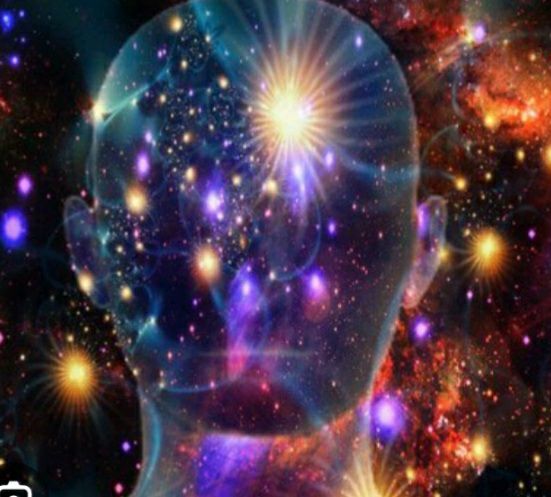
We often hear the term “Higher Mind,” but what does it truly mean? The Higher Mind is that deeper part of ourselves that embodies wisdom, self-awareness, and inner strength. It’s the guiding voice that helps us think beyond the present moment, making decisions that align with our core values, morals, and long-term goals. It’s the source of clarity that empowers us to live with purpose and intention.
This aspect of ourselves is deeply connected to the soul. Think of the Higher Mind as a bridge—a connection between the ego, or “lower mind,” and the spirit. While the ego helps us navigate the material world, the Higher Mind assists us in exploring realms beyond the physical.
The ego operates through a lens of limitation, seeing the world and others as separate from ourselves. It interprets life through our personal beliefs and perceived limitations. In contrast, the Higher Mind views reality through a lens of unity and infinite possibility.
When we look through the ego’s perspective, we often see the world and people as divided—unequal, separated by space and circumstances. But the Higher Mind sees things differently. It recognizes that everything is made up of energy, from physical objects to the air we breathe. What the ego perceives as empty space is actually energy, and this energy connects everything.
Even our thoughts are composed of energy, vibrating at different frequencies. The Higher Mind sees thoughts and physical objects as intertwined, both made from the same substance—energy, just vibrating at different rates. Every thought, every object has its own unique frequency, but they are all fundamentally part of the same energetic whole.
By tuning into the Higher Mind, we open ourselves to this broader perspective, moving beyond the ego’s limitations to experience the deeper connections that unite us with everything around us.
Examples of Ego vs. Higher Mind
Consider how we experience conflict with others. When operating from the ego, we often feel hurt, defensive, or angry. The ego views the disagreement as a personal attack, reinforcing the idea of separation between “me” and “them.” However, when we engage the Higher Mind, we see beyond the surface. We begin to understand the other person’s emotions, motivations, and perspectives, recognizing that we are all connected by a shared humanity. In this state, we approach conflict with compassion, seeking understanding instead of division.
Another example can be found in decision-making. The ego tends to focus on immediate, self-centered desires. Imagine someone is offered a promotion at work that comes with more money but also more stress and longer hours. The ego might jump at the chance because it values status and material gain. However, the Higher Mind might pause to consider the long-term effects on well-being and relationships, guiding the person to make a decision that aligns with their values and ultimate happiness, rather than short-term rewards.
In terms of creativity, the ego often stifles ideas with fear of judgment or failure. A person may have a strong desire to start a new project but stops themselves because the ego fears ridicule or rejection. The Higher Mind, however, sees creative expression as an unfolding of one’s true self and encourages the person to take action without worrying about external validation. It allows ideas to flow freely, trusting in the process rather than being attached to the outcome.
Finally, think about how we perceive success. From an ego-driven viewpoint, success is often tied to external achievements—money, recognition, or titles. But the Higher Mind understands that true success is internal. It’s about personal growth, fulfillment, and living in alignment with our deeper purpose. This shift in perspective allows us to find peace and contentment regardless of external circumstances, as we realize that success is a state of being rather than something to attain.
By learning to tap into the Higher Mind more frequently, we can navigate life with a sense of unity, purpose, and clarity, free from the limitations imposed by the ego. This shift in perception transforms how we interact with the world, leading to more meaningful and fulfilling experiences.
Life has a way of surprising us. One moment, everything seems to be in its place, and the next, the very foundation we stand on feels like it’s crumbling. Whether it’s the end of a relationship, the loss of a job, or even the close of a cherished chapter in our lives, these moments can leave us feeling lost, hurt, and overwhelmed.
It’s natural to grieve during these times. Painful endings are just that—painful. They challenge our sense of stability and security, leaving us questioning, “Where do I go from here?”
But here’s a secret that life teaches us time and again: new beginnings are often disguised as these very endings.
When Life Forces You to Pause
When we encounter loss or disappointment, it’s as though life forces us to pause and reflect. The disruption gives us no choice but to stop and assess where we are and where we want to be. It may not feel like it at first, but these interruptions are opportunities in disguise.
They ask us to re-evaluate our priorities, understand our true desires, and step out of our comfort zones. It’s in these moments of discomfort that we begin to grow.
Why Pain is a Path to Growth
Think about it—without the pain of outgrowing old situations, would we ever feel compelled to step into something new? It’s in the struggle that we learn our strength. Pain is not a sign of failure; it’s a sign of transformation.
As humans, we are wired to resist change. But without it, we become stagnant. Just as a seed must break apart in the dark soil before it can grow into a mighty tree, we too must face the darkness of painful endings to blossom into our fullest potential.
The Light at the End of the Tunnel
The beauty of every ending is that it holds the promise of a beginning. Think back to times in your life when you thought something was over for good—when you couldn’t possibly imagine life being any different. Yet here you are, standing stronger, wiser, and more aware of your own resilience.
Those moments that once felt like the end of your world? They were the birth of a new version of you.
Embrace the Unknown
The unknown can be terrifying, but it is also where life’s magic happens. Instead of fearing what’s next, what if we learned to embrace it with curiosity and openness? What if we could trust that something better is waiting on the other side?
It’s not easy to shift our perspective when we’re in the midst of heartache, but it is possible. By focusing on what lies ahead rather than what we’ve left behind, we open ourselves up to endless possibilities. The pain we feel in the present is simply part of the journey to something greater.
Trust the Process
In moments of ending, the mind wants answers. It wants to know why something had to happen and how the future will unfold. But part of the healing process is learning to trust without having all the answers. Life unfolds in ways we can’t always predict, but that doesn’t mean it isn’t guiding us to where we’re meant to be.
So, the next time you find yourself facing an ending, remember this: it’s not the end of your story. It’s merely the end of a chapter. And like any great story, the best is yet to come.
Your Turn
What are some of the endings in your life that eventually led to a beautiful new beginning? Share your thoughts in the comments below—I’d love to hear your experiences.
Change is often portrayed as the one constant in life, yet it’s something many of us struggle to accept. We build routines, seek comfort in familiarity, and often resist anything that disrupts the status quo. But what if we shifted our perspective? What if, instead of resisting change, we embraced it as a natural and essential part of our journey?
The Nature of Change:
Change is not just something that happens to us; it’s the very process of life itself. From the moment we are born, we are in a state of constant evolution. Every day, our bodies regenerate cells, our minds absorb new information, and our surroundings shift in ways we might not even notice. The seasons cycle, relationships evolve, and technology progresses. Nothing stays the same, and that’s a good thing.
Yet, despite its omnipresence, change often feels daunting. We tend to associate it with loss or uncertainty, fearing what might be on the other side of the unknown. However, when we take a step back and observe the world around us, we see that change is what makes life dynamic and vibrant. It’s what allows us to grow, learn, and experience new aspects of ourselves and the world.
Introspection: Why Do We Resist Change?:
Why, then, do we resist change so fiercely? The answer often lies in our fear of the unknown. As humans, we are wired to seek safety and predictability. When life presents us with change, it challenges our sense of security. We fear losing what we know, even if what we know is not serving us well.
But if we look deeper, we may realize that our resistance to change is also a resistance to growth. Change, by its very nature, pushes us out of our comfort zones. It asks us to confront our fears, to adapt, and to evolve. While this can be uncomfortable, it’s also where the magic happens. It’s where we find new strengths, discover new passions, and open ourselves up to possibilities we never imagined.
Conclusion: Embrace the Journey:
Rather than resisting change, we can choose to embrace it as an essential part of our life’s journey. When we accept that change is inevitable, we can approach it with a sense of curiosity and openness. We can trust that each change, no matter how challenging, carries with it the seeds of growth and new beginnings.
Remember, life is not about holding on to the past, but about moving forward with grace and courage. The beauty of change is that it keeps life fresh, exciting, and full of potential. By embracing change, we allow ourselves to be active participants in the unfolding of our own lives, shaping our destiny with each new experience.
So, as you navigate the changes in your life, take a deep breath, and remind yourself: Change is not something to fear. It’s something to embrace, for it is through change that we truly live.
People thrive in environments where they are genuinely loved and accepted. When your goal is to help others heal, it’s crucial to offer a love that is free from hidden agendas, expectations, or judgments. Healing is most profound when it is nurtured in a space of unconditional love—a place where individuals feel truly accepted, valued, and understood.
Unconditional love is a powerful force. It transcends mere affection or support; it touches the very essence of a person’s being, giving them the freedom to be who they truly are without fear of rejection or criticism. When someone feels loved without conditions, they begin to recognize their inherent worth and potential. This realization is often the catalyst for deep, transformative healing.
Creating such a space requires a commitment to seeing others as they are, without trying to change or mold them to fit your expectations. It means offering support without strings attached, allowing others the freedom to grow at their own pace and in their own way. True love respects the unique journey of each individual and provides the encouragement they need to explore and embrace their inner strength.
When you love someone purely and without conditions, you become a beacon of light in their healing journey. Your love serves as a mirror, reflecting their innate potential and guiding them toward their true self. In this space of acceptance and understanding, healing becomes not just possible, but inevitable.
Furthermore, unconditional love teaches us patience and humility. It reminds us that healing is not something we can force upon others; it is a process that unfolds naturally, in its own time. By resisting the urge to control or dictate the pace of someone else’s healing, we honor their personal journey and trust in their ability to find their way. Patience, coupled with love, creates a supportive environment where individuals feel safe to explore their vulnerabilities and challenges.
In this journey of loving without conditions, we also learn the importance of self-love. The more we practice unconditional love toward others, the more we are reminded to extend the same grace and compassion to ourselves. By embracing our imperfections and accepting our own healing process, we become better equipped to offer the same understanding to those around us. This mutual exchange of love and acceptance not only fosters personal growth but also deepens our connections with others.
Another aspect of unconditional love is its ability to foster resilience. When people are supported by love that is unwavering, they are more likely to persevere through difficult times. They begin to develop a sense of inner strength, knowing that they are valued and cared for, regardless of their struggles. This resilience is the foundation upon which they can build a life of fulfillment and joy, free from the fear of judgment or failure.
Finally, loving unconditionally has a ripple effect that extends beyond the immediate relationship. The love you give not only heals the person directly in front of you but also inspires them to extend that same love to others. This creates a chain reaction of compassion, understanding, and healing that can spread through families, communities, and even society at large. By choosing to love without conditions, you contribute to a world where everyone has the opportunity to grow, heal, and thrive.
Today, I made a powerful decision that I believe will transform my life: I have decided to forgive everyone who has ever wronged me. This is not merely a statement but a profound commitment to releasing the unresolved anger and pain that have burdened my heart for too long. By choosing forgiveness, I am allowing my heart to heal and move forward, unshackled by the chains of past hurts.
Forgiveness is not about condoning the actions of those who have hurt me. It’s about freeing myself from the negative emotions that hold me back. Regardless of how they have treated me, I choose to offer my love to all who are in need, including those who have caused me pain. This act of love is not conditional but universal, encompassing both those who cherish me and those who have yet to recognize the beauty of compassion and love.
In extending my love to those who have hurt me, I am not only facilitating my own healing but also contributing to theirs. Love has a remarkable ability to heal wounds and bridge divides. By offering my love freely, I am creating a ripple effect of positivity and healing that can touch the lives of many.
This journey of forgiveness and love is not always easy, but it is profoundly rewarding. My love is limitless, and I am committed to sharing it with everyone, regardless of their actions. Through this commitment, I hope to inspire others to embrace forgiveness and love as powerful tools for personal and collective healing.
The Healing Power of Forgiveness:
Forgiveness is a powerful healing tool. When we hold onto anger and resentment, we carry a heavy burden that impacts our emotional and physical well-being. Studies have shown that forgiving others can lead to reduced stress, lower blood pressure, and improved mental health. By letting go of past grievances, we open ourselves up to a future filled with peace and emotional freedom. Forgiveness allows us to move forward unencumbered by the weight of the past, paving the way for personal growth and a brighter future.
Creating Boundaries with Compassion:
Forgiving someone does not mean that we allow them to continue hurting us. It’s important to establish healthy boundaries that protect our well-being while still offering our compassion. Boundaries are essential for maintaining our mental and emotional health. They help us define what is acceptable behavior and what is not, ensuring that we do not fall back into harmful patterns. By forgiving with boundaries, we demonstrate self-respect and teach others how to treat us with the respect we deserve. This balance of forgiveness and self-protection fosters healthier relationships and a stronger sense of self-worth
The Ripple Effect of Love :
Love has the power to transform not only our lives but also the lives of those around us. When we choose to love unconditionally, even those who have wronged us, we create a ripple effect that can inspire change and healing in others. Our acts of love and kindness can influence others to reflect on their actions and perhaps choose a path of compassion themselves. By being a source of love and forgiveness, we contribute to a more compassionate and understanding world. This ripple effect can lead to a community where people feel valued and supported, fostering a culture of empathy and mutual respect.
Forgiveness and love are not just lofty ideals but practical steps we can take to improve our lives and the lives of those around us. By choosing to forgive and extend love, we can create a more compassionate and connected world. Join me on this journey and let’s make a difference together.
Life is a tapestry woven with threads of joy and sorrow, each moment intricately designed by a higher power. Accepting this divine orchestration can lead us to a profound sense of peace and connection with the supreme force that guides our existence.
The Power of Acceptance:
Every experience we encounter, whether it brings happiness or challenges, is part of a grand design. Embracing this concept can liberate us from the constant struggle to control every aspect of our lives. When we attempt to micromanage our fate, we often invite unnecessary suffering. Instead, by accepting and welcoming all events, we open ourselves to the natural flow of life.
Letting Go and Being Kind to Yourself:
It’s okay to let go and simply be. Kindness to oneself is an essential part of this process. Release the need to judge yourself or others. When we stop criticizing and start accepting, we create a space for genuine inner peace to flourish.
Journey Within: Connecting with the Divine:
Take a moment to go within and explore your inner realm. This is where you connect with the divine energy that resides within you. Through this connection, you gain access to a higher power, a source of infinite wisdom and strength. Remember, you are a part of this divine essence.
Spreading Love and Peace:
With his newfound connection, impart the energy of love and peace to those around you. Help each other, and in doing so, you not only gain freedom but also contribute to healing the planet. Your power to influence positive change is immense. Embrace it fully, for you are indeed very powerful.
In the grand scheme of life, acceptance is not about surrendering to fate but about aligning with a higher purpose. By welcoming all experiences with open arms, being kind to yourself, and connecting with the divine, you become a beacon of love and peace. You have the power to heal yourself, others, and the world. Yes, you are powerful. Embrace it.
The Beauty of Surrender:
Surrendering to the flow of life doesn’t mean giving up; it means letting go of resistance and trusting that each moment is as it should be. This acceptance can bring a profound sense of relief and clarity. Instead of battling against the currents, we learn to navigate life’s waters with grace and ease. This shift in perspective allows us to see the beauty and purpose in every experience, even the challenging ones.
Overcoming the Illusion of Control:
One of the greatest sources of suffering is the illusion of control. We believe that by exerting effort and willpower, we can shape our destinies to fit our desires. However, this belief often leads to frustration and disappointment. True freedom comes when we realize that control is an illusion and that our true power lies in how we respond to life’s circumstances. By relinquishing the need to control, we discover a deeper, more resilient form of strength.
Cultivating Compassion for Self and Others:
Acceptance begins with self-compassion. We must learn to be gentle with ourselves, acknowledging our imperfections without judgment. This kindness then extends outward, allowing us to empathize with others and see them through a lens of understanding and compassion. By fostering a compassionate mindset, we create a ripple effect of positivity and healing in our communities.
The Role of Mindfulness in acceptance:
Mindfulness is a powerful tool in the practice of acceptance. By staying present in the moment, we can fully experience life without being overwhelmed by regrets of the past or anxieties about the future. Mindfulness teaches us to observe our thoughts and emotions without attachment, creating a sense of inner calm and balance. This practice helps us to embrace life as it unfolds, with all its ups and downs.
Empowering Yourself Through Connection:
Connecting with the divine within is an empowering experience. It reminds us that we are not separate from the source of all creation but intrinsically linked to it. This connection fuels our inner strength and guides us toward our true purpose. When we align with this higher power, we tap into an infinite well of wisdom and love, which we can then share with the world.
Healing Through Collective:
Efforts Our individual journeys of acceptance and inner peace contribute to the collective healing of our planet. By embodying love and compassion, we inspire others to do the same. This collective effort creates a powerful wave of positive change, helping to heal societal wounds and foster a more harmonious world. Each act of kindness, each moment of acceptance, adds to this collective energy, demonstrating the incredible impact we can have when we come together with a common purpose.
By expanding on these principles, we deepen our understanding of the transformative power of acceptance. Embracing life’s journey with open hearts and minds not only enhances our personal well-being but also contributes to the greater good. Through acceptance, we find peace, purpose, and the strength to make a meaningful difference in the world.
In the hustle and bustle of daily life, we often overlook the profound beauty and vastness of the night sky. However, people would live quite differently if they made it a habit to glance at the sky every night. When you stare into the infinity of the cosmos, it becomes evident that there are more significant things than the mundane activities and stresses that occupy our days. This simple act of looking up can remind us of our place in the universe and inspire a sense of awe and perspective.
The Courage to Endure
Facing adversity requires genuine bravery. It takes true strength to remain resolute and composed in challenging times. This strength is not just about enduring hardship but also about pushing forward despite it. In a negative environment, it takes real courage to move forward, to keep striving, and to maintain a positive outlook. This kind of resilience can take a person far in life, helping them to overcome obstacles and achieve their goals.
The Ripple Effect of Strength
What many people fail to realize is that their own courage and strength can have a profound impact on others. The inspiration you give through your actions, the positive attitude you maintain, and the resilience you exhibit are all priceless. You may never fully understand the extent to which your courage influences those around you, but rest assured, it does. Your ability to stay strong and positive in the face of adversity can inspire others to do the same.
The Invisible Audience
We often don’t realize who might be looking up to us for inspiration or drawing strength from our example. It could be your family, children, spouse, partner, friends, or anyone dear to you. Each person in your life is part of your invisible audience, watching and learning from your actions and attitudes. Your resilience can provide them with the courage they need to face their own challenges.
A Legacy of Inspiration
By a positive attitude and demonstrating strength in the face of adversity, you create a legacy of inspiration. This legacy can spread far beyond your immediate circle, influencing countless others who observe your example. In this way, your courage and positivity can have a far-reaching impact, contributing to a more resilient and inspired community.
Gain power and inspire others
In the grand scheme of things, the daily grind often seems insignificant when compared to the vastness of the universe. By glancing at the night sky, we can gain a broader perspective and find the inspiration to face our challenges with courage and strength. Remember that your actions and attitudes have the power to inspire those around you, creating a ripple effect that extends far beyond what you can see. So, take a moment each night to look up at the stars, and let their infinite beauty remind you of the boundless potential within yourself and those you inspire.
Conclusion:
People would live quite differently if they glanced at the sky every night. When you stare into infinity, you understand that there are more significant things than what humans do all day. It takes genuine bravery to be strong in the face of adversity. But that strength may go a long way!Sometimes, it takes real strength and courage to move forward in a negative environment! But this strength and courage can take people a long way!! You will never understand, the courage you give, the inspiration you give, the positive attitude you create and spread are priceless .You never know who is looking up to you for inspiration or a source of their own strengths. It might be your family, children, husband, wife, partner, friends, or anyone dear to you.